Contents (15 sections)
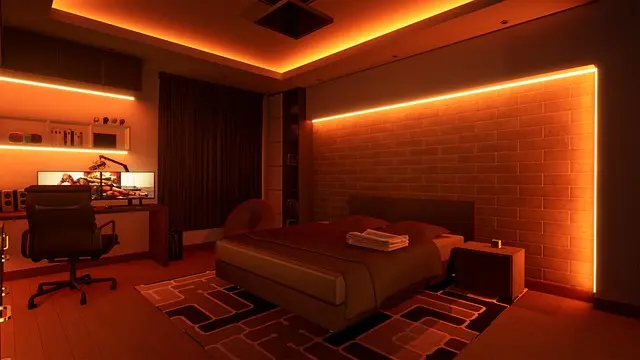
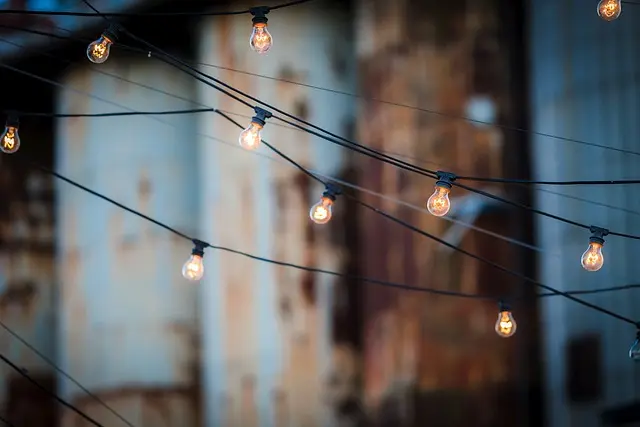
In today's environmentally conscious world, eco-friendly lighting is not just a trend but a necessity. As homeowners become more aware of their energy consumption and its impact on the planet, the demand for sustainable lighting solutions has surged. Choosing the right lighting for your home can significantly reduce your carbon footprint and enhance your living environment. In this article, we present ten essential tips to help you select eco-friendly lighting options that align with your values and aesthetic preferences.
1. Understand the Basics of Eco-Friendly Lighting
Before diving into specific products, it’s crucial to understand what constitutes eco-friendly lighting. Essentially, it refers to lighting solutions that have a minimal impact on the environment while providing adequate illumination. Key characteristics include energy efficiency, the use of sustainable materials, and minimal hazardous waste upon disposal. By choosing lighting that fits these criteria, you can contribute to energy conservation and reduce greenhouse gas emissions.
2. Opt for Energy-Efficient Bulbs
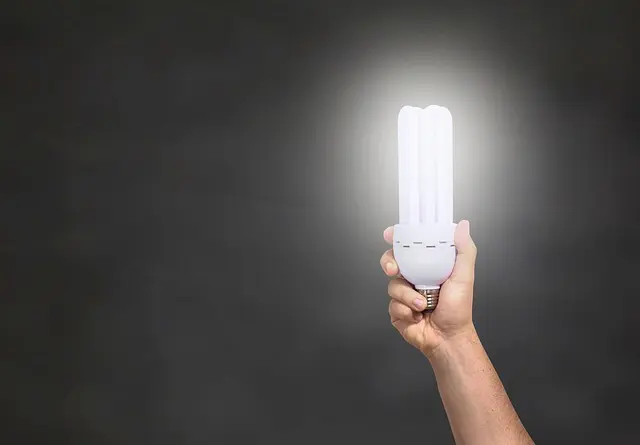
When selecting light bulbs, energy efficiency should be your top priority. LED bulbs are widely regarded as one of the best options available. They consume up to 80% less energy than traditional incandescent bulbs and have a significantly longer lifespan—approximately 25,000 hours compared to just 1,000 hours for incandescents. This means fewer bulbs are disposed of over time, reducing waste. Additionally, by using LED bulbs, you can lower your electricity bills, making them an economical choice for both your wallet and the environment.


Yidoblo AI-3000C RGB LED Video Light Dimmable 2800k-9990k 300w CRI 95 Studio Photo Lamps Metal Panel with 12 Lighting Effects
Alibaba UK

3. Embrace Smart Lighting Solutions
Smart lighting is a revolutionary approach to energy management. These systems allow you to control your home’s lighting via a smartphone or voice assistant, enabling scheduling and remote control of light fixtures. By integrating smart lighting, you can ensure that lights are only used when needed, further conserving energy. According to reports, homes equipped with smart lighting technology can reduce their energy consumption by up to 30%.
4. Consider Dimmers and Timers
Dimmers and timers are wonderful tools to enhance your energy savings. Dimming your lights can reduce power usage and create a more pleasant atmosphere. Furthermore, adding timers can ensure that lights are turned off automatically when not in use, especially for outdoor or security lighting. This helps prevent the unintentional waste of electricity while also extending the life of your light fixtures.
5. Explore Natural Lighting Options
Maximising natural daylighting can reduce your dependency on artificial lighting. Consider architectural changes like adding larger windows, skylights, or using reflective surfaces to bounce light around your spaces. Studies have shown that natural light not only enhances mood but can also improve productivity and health. Additionally, utilising natural light leads to lower energy consumption during daylight hours.
6. Focus on Recyclable and Sustainable Materials
When choosing fixtures, look for products made from recyclable or sustainable materials. For example, many manufacturers now offer fixtures created from reclaimed wood, recycled metals, or sustainable plastics. In addition to reducing your environmental impact, these materials often come with unique aesthetics that can add character and charm to your home.

YOFEEL - Customized matt Phone Case ecofriendly biodegradable phone case for iphone x xs
Alibaba UK

Lighting to 3.5mm Headphones Jack Adapter Aux Adapter Earbuds Headsets Converter Accessories for iphone AUX Adapter
Alibaba UK
7. Evaluate the Lifespan and Warranty of the Products
The longevity of your lighting products is essential when considering their eco-friendliness. Products that need frequent replacements lead to more waste. When shopping, pay attention to the lifespan of the bulbs and fixtures. Additionally, consider the warranty offered by manufacturers. A longer warranty often indicates a product's durability and quality, ensuring you won't need to replace it prematurely, which is better for the environment and your budget.
8. Investigate Local Regulations and Incentives
Many regions have specific regulations regarding energy efficiency and sustainable practices, which can be advantageous for homeowners. Local governments may offer rebates or incentives for installing energy-efficient lighting or fixtures. It is worth researching to see what programs are available in your area as these can significantly offset costs and encourage sustainable choices.
9. Choose the Right Colour Temperature
The colour temperature of your light can impact both the ambience of a space and its energy efficiency. Warm-white LEDs, typically around 2700K, are great for living spaces, creating a cosy atmosphere, while cooler lights (5000K and above) are better suited for workspaces. Selecting the appropriate colour temperature can enhance comfort and potentially reduce energy usage by requiring less light.
10. Regular Maintenance for Optimal Performance
Lastly, maintaining your lighting fixtures is critical for ensuring their efficiency and longevity. Regularly clean light bulbs and fixtures to prevent dust build-up that can obstruct light output and lead to energy inefficiency. Replacing blown bulbs promptly and checking for wiring issues can also help maintain the overall performance of your lighting systems.
Checklist before Purchase
- [ ] Assess the energy efficiency rating of the bulbs
- [ ] Consider smart lighting options
- [ ] Check the materials used in fixtures
- [ ] Look for rebates or local incentives
- [ ] Review product lifespan and warranty
Glossary
| Terme | Définition |
|---|---|
| Eco-Friendly Lighting | Lighting solutions designed to minimise environmental impact. |
| Energy Efficiency | The ability to consume less energy while providing the same service. |
| Natural Daylighting | The use of natural light to illuminate spaces, reducing the need for artificial lighting. |
📺 Ressource Vidéo
> For more insights on eco-friendly lighting solutions, search on YouTube for: 'eco-friendly lighting tips 2026'.
🧠 Quiz rapide : What type of lighting is most energy-efficient?
- A) Incandescent bulbs
- B) LED bulbs
- C) Halogen bulbs
Réponse : B — LED bulbs use up to 80% less energy than incandescent options.
Conclusion
Choosing the right eco-friendly lighting can significantly contribute to a more sustainable lifestyle. By considering energy-efficient options, sustainable materials, and modern technologies, you can illuminate your home while being mindful of the planet. We have selected several products adapted to these principles, making it easier for you to make informed choices.
📺 Pour aller plus loin : eco-friendly lighting tips 2026 sur YouTube
Recommended products
Selected by our experts

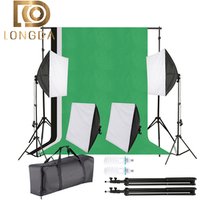
Absorb light good widely used softbox for photography studio lighting kit with background
Alibaba UK

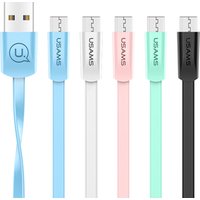
Intelligent Power off USB Charging Cable for iPhone X 8 6 breathing lighting USB Cable Automatic power-off Charger Cable
Alibaba UK

High quality suitable character photography softbox studio green screen lighting kit
Alibaba UK

Great Free Shipping RAXFLY Magnetic Charge Holder Magnet Charger Lighting Cable Stand Phone Charger
Alibaba UK