Contents (13 sections)
Lighting fixtures play a vital role in shaping the mood, functionality, and aesthetic of our homes. Selecting the appropriate lighting can turn ordinary spaces into extraordinary ones. From pendant lamps in the kitchen to sconces in the hallway, the right choices can highlight your design while fulfilling practical needs. As lighting technology evolves, understanding how to select fixtures that suit your environment has become crucial.
According to research by the American Lighting Association, good lighting can enhance the way a room feels and even improve mood. Therefore, investing time in understanding how to select lighting fixtures tailored to your needs is essential for every homeowner. In this guide, we’ll delve into ten critical tips to help you choose the perfect lighting fixtures for your home.
1. Understand the Different Types of Lighting Fixtures
Before diving into your selections, it's essential to understand the various types of lighting fixtures available. Primarily, lighting can be categorised into three types: ambient, task, and accent lighting. Ambient lighting provides overall illumination, such as ceiling fixtures and wall-mounted lights. Task lighting focuses on specific areas, such as reading lamps or under-cabinet lights, facilitating activities that require direct light. Finally, accent lighting highlights specific features in a room, such as wall art or architectural elements, employing spotlights or track lighting.
When selecting fixtures, consider what functions you need each type of lighting to perform. For instance, a kitchen might require a blend of task and ambient lights to ensure practicality while still feeling welcoming. Ultimately, understanding these types will aid in visualising how different lights can create a cohesive atmosphere throughout your home.
2. Measure Your Space Accurately
Accurate measurements are crucial in ensuring that the chosen lighting fixtures fit well within your space. Take into account the dimensions of the room, including height, width, and depth. A common misstep is opting for fixtures that are too large or too small, which can disrupt the balance of a room.
For example, a vast dining area might benefit from an oversized chandelier, whereas a small nook would feel cramped with the same fixture. According to the Lighting Research Center, pendant lights should hang approximately 30-36 inches above a dining table for optimal effect. By measuring your spaces effectively, you can avoid costly mistakes and ensure that your fixtures complement the overall design.


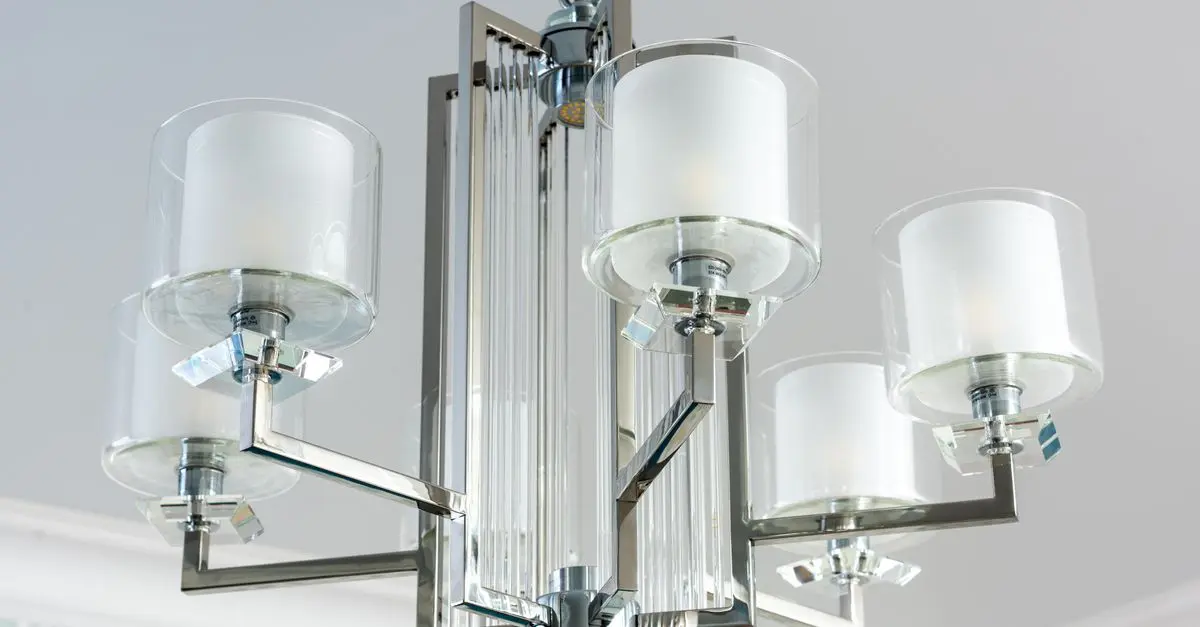
Living and Home Crystal Column Flush Mount Ceiling Light with Chrome Frame in Silver - Silver - Size: One Size
wallis.co.uk
3. Choose the Right Style and Design
Choosing a lighting fixture style involves considering both personal taste and the existing decor. A contemporary home may benefit from sleek, minimalist designs, whereas a traditional residence might favour ornate, classic styles. Paying attention to the materials and colours used in your fixtures can tie together the room’s overall aesthetic.
Moreover, consider how fixtures serve as statement pieces. For instance, a glamorous chandelier can act as a focal point in a room, drawing the eye while simultaneously enhancing the space. According to Interior Design Magazine, integrating your lighting fixtures into your home’s style can truly elevate your design approach.
4. Consider Energy Efficiency
In today's eco-conscious world, opting for energy-efficient lighting solutions is not merely a trend but a necessity. LED lights, for example, consume much less energy compared to traditional incandescent bulbs while providing comparable brightness. They also boast a significantly longer lifespan, which can translate to substantial savings in the long run.
When selecting lighting fixtures, check for energy-efficiency ratings and consider those that are compatible with smart home technology. Dimming options and timers also contribute to energy savings, as highlighted by the Department of Energy. Making eco-friendly choices will benefit both your wallet and the environment.
5. Incorporate Smart Technology
Smart lighting solutions are becoming increasingly popular, offering convenience alongside energy efficiency. Smart fixtures allow homeowners to adjust brightness, change colours, or set schedules using apps or voice commands. This level of control ensures that your lighting suits different activities or moods throughout the day.
For example, programmable settings can be particularly useful in settings such as home offices or bedrooms. Smart lighting can create optimal work conditions during the day and a calming atmosphere for relaxation at night. This integration of technology can significantly enhance your home experience and streamline energy use.
6. Pay Attention to Bulb Choices
Selecting the right bulb is just as important as choosing the fixture itself. Factors such as brightness, tone, and energy consumption directly affect the overall lighting quality in your space. Bulb brightness is measured in lumens; generally, the higher the lumens, the brighter the light. For most rooms, a warm colour temperature around 2700K is recommended to create a cosy environment.
It's also vital to consider the flexibility bulbs offer, especially if you choose smart fixtures. Many smart bulbs available today can adjust in brightness and colour, allowing for customisation to your preferences. This level of adaptability makes lighting much more personal to your style.


Ivy Bronx Rachna 5-head 60cm LED Integrated Semi Flush Mount Ceiling Light Black 8cm H X 60cm W X 60cm D
wayfair.co.uk
7. Design a Layered Lighting Scheme
A well-thought-out lighting plan combines various types of lights to create a balanced, layered effect. This approach ensures that no area is overlooked, and the ambiance remains consistent throughout the home. For instance, integrating all three types of lighting—ambient, task, and accent—can create a beautifully illuminated environment suited to various functions.
Consider the interplay between light fixtures, using multiple light sources rather than relying solely on overhead lights. This method not only improves functionality but can noticeably impact the mood of the environment, allowing for transitions throughout the day and different activities.
8. Factor in Maintenance and Lifespan
When investing in lighting fixtures, it’s essential to consider not only their initial cost but also maintenance and lifespan. Fixtures that require frequent bulb changes or cleaning can add to long-term costs and effort. Choosing stylish fixtures that hold up well over time will enhance your home's brightness without the constant need for replacement.
Incorporating durable materials like metals or quality glass can reduce wear and tear, ensuring your fixtures look great for years. Always check manufacturer's specifications for lifespan ratings and maintenance recommendations to prevent unnecessary investments.
9. Be Mindful of Safety Standards
Ensure your lighting fixtures comply with national and local safety standards. This compliance includes ensuring fixtures are suited for the intended environment—use damp-rated lights for bathrooms or outdoor areas to prevent moisture damage. Consulting a qualified electrician can clarify any safety concerns and ensure proper installation.
Additionally, keep an eye out for products tested under safety certifications, adding an extra layer of security as you choose your fixtures.
10. Take Your Time
Choosing the right lighting fixtures should not be rushed. Taking time to explore various styles, functionalities, and placement options will yield the best results for your home. Don’t hesitate to take samples home to see how they perform in your space before making a final decision.
Doing so allows you to visualise how different fixtures complement your decor and fulfil your practical requirements. Overall, a thoughtful approach can ensure that your lighting selections enhance your home for many years to come.
Checklist before Purchase
- [ ] Identify the type of lighting needed
- [ ] Measure the dimensions of the room
- [ ] Choose a style that complements your decor
- [ ] Check energy efficiency ratings
- [ ] Consider smart technology options
- [ ] Select the appropriate bulb type and brightness
- [ ] Design a layered lighting scheme
- [ ] Review maintenance and lifespan considerations
- [ ] Ensure compliance with safety standards
- [ ] Take time to assess your options
Glossary
| Terme | Définition |
|---|---|
| Ambient Lighting | General illumination typically provided by ceiling fixtures or natural light. |
| Task Lighting | Focused lighting designed for specific tasks, such as reading or cooking. |
| Accent Lighting | Lighting that highlights certain features or areas in a room for effect or decoration. |
> 💡 Expert Opinion: Well-implemented lighting can significantly influence not just functionality but also the overall aesthetic of your rooms. Prioritising quality fixtures and thoughtful design can ensure your home feels inviting and practical.
📺 For further learning: Understanding Lighting Styles in Home Decor, an exhaustive analysis of various lighting styles. Search on YouTube: "lighting styles home decor".
📺 Pour aller plus loin : lighting styles home decor sur YouTube
Recommended products
Selected by our experts


Luminosa Lighting Placid 45cm Round Cluster Pendant, 7 Light E14 With 15cm Round Glass Shade, Brass, Smoke Plated & Satin Black
netlighting.co.uk


SpectraBar: 800W LED Colour Blinder and Strobe Bar - Powerful Lighting Effects for Stage & Events
The Glow Company

Helam Lighting Edison Multi Arm Semi Flush Ceiling Light Black 65cm
netlighting.co.uk