Contents (14 sections)
Choosing the right lighting fixtures can transform your home, enhancing both its aesthetic and functionality. Lighting sets the mood, influences colour perception, and can even impact your well-being. However, with numerous options available, it can be overwhelming to make the right choice. In this article, we provide you with 10 essential tips to consider when selecting the right lighting fixtures.
1. Understand the Types of Lighting
Before you even think about which fixtures to buy, you need to understand the three main types of lighting: ambient, task, and accent lighting. Ambient lighting provides overall illumination, task lighting is aimed at specific tasks (e.g., reading), and accent lighting highlights features or décor. By combining these types effectively, you can create a balanced and functional lighting scheme for any room.
2. Consider the Size of the Room
The size of your room significantly influences your lighting choices. Generally, larger spaces require bigger fixtures or multiple units to ensure adequate illumination. In a large living room, for example, a single pendant light may not suffice; instead, you might opt for a combination of recessed lighting, floor lamps, and side lamps. Calculate the appropriate wattage needed using the formula: room length (in feet) multiplied by room width (in feet) gives you the total square footage. This standard will help in selecting the suitable brightness for your space.
3. Match Your Style
Your lighting fixtures should align with your home’s décor. Whether you prefer modern, rustic, or industrial styles, the right fixtures can enhance your interiors. For instance, a sleek metal pendant light may work well in a contemporary space, while a vintage chandelier could be perfect for a traditional home. Browsing online or visiting showrooms will allow you to visualise how different styles interact with your existing décor.
4. Evaluate Energy Efficiency
In an era where sustainability is paramount, it is wise to consider energy-efficient lighting options, such as LED bulbs. They not only consume less energy but also have a longer lifespan compared to traditional incandescent bulbs. According to the UFC-Que Choisir, switching to LED lighting can save up to 75% on energy costs over time. Moreover, with advancements in technology, LED fixtures are now available in various styles and colours, making them both practical and aesthetically pleasing.
5. Think About Dimming Options
Installing dimmers can greatly enhance the versatility of your lighting fixtures. They allow you to alter the mood of a space, switching from bright, invigorating light to soft, relaxing illumination with a simple turn. This flexibility can be particularly advantageous in spaces like the dining room or bedroom, where the requirements for lighting change throughout the day. Ensure your chosen fixtures are dimmable and compatible with your dimmer switch.
6. Use a Combination Approach
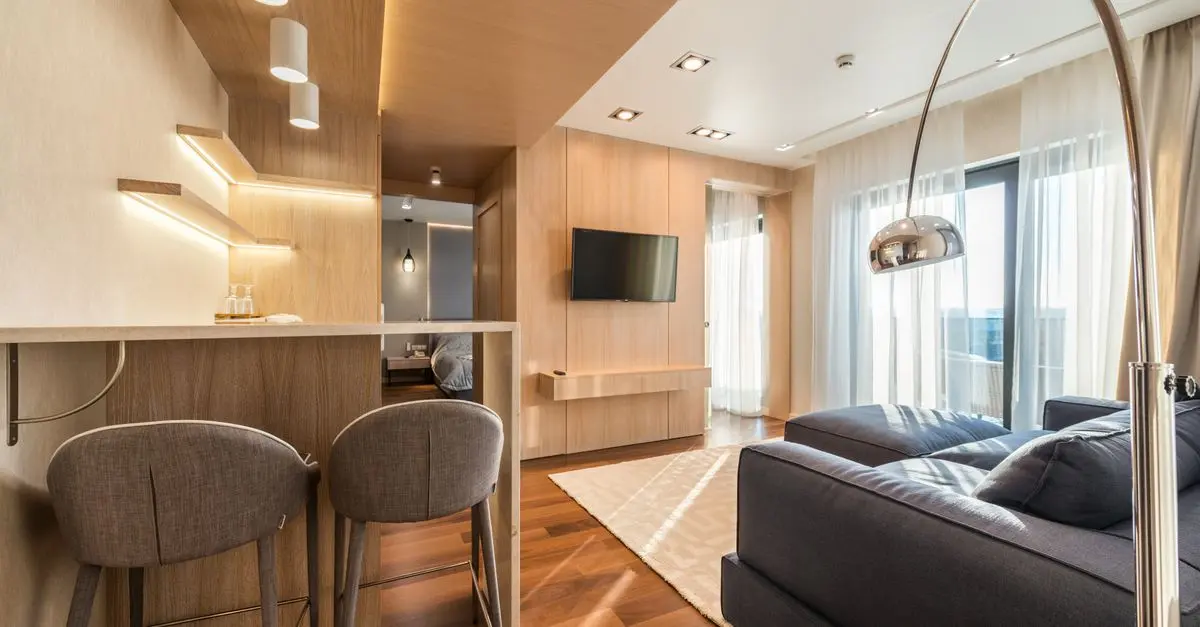
Relying solely on one type of lighting can create unwanted shadows or brightly lit areas that are too harsh. By judiciously combining different types of lighting and fixtures, you can avoid these pitfalls. For example, use recessed lighting for ambient illumination, paired with table lamps for task lighting, particularly in study areas. Creating layers of light can enhance the functionality and aesthetics of your home.
📺 For further insights: Lighting Design Basics, a comprehensive guide to understanding different lighting types and their applications. Search on YouTube: "how to choose lighting fixtures".
7. Focus on the Fixture’s Purpose
Evaluation on the primary purpose of each fixture you choose helps in making informed decisions. For instance, a kitchen island might benefit from bright, focused task lights, while a living area might require softer ambient fixtures for creating a comforting atmosphere. Think about everyday activities while choosing the fixtures to ensure they meet practical needs without compromising style.
8. Consider the Height
The height at which fixtures are installed is crucial to their effectiveness. For example, hanging pendant lights over a dining table should generally be installed 28 to 36 inches above the table, while wall sconces should be positioned to light the area without causing glare. Checking the manufacturer’s guidelines for specific measurements and ensuring accessibility for maintenance is also paramount.
9. Don't Overlook Bulb Selection
The type of bulb you use affects the quality and appearance of light emitted from your fixtures. Bulbs come in different colours (measured in Kelvin), such as warm white (2700K) for a cosy atmosphere and daylight (5000K) for brighter, more energising illumination. The comparison of bulbs regarding brightness (lumen output) and warmth when selecting ensures an improved experience within your space.
10. Budget Wisely
Lighting fixtures vary widely in price, so setting a budget before shopping can help maintain focus. Think beyond the initial purchase cost; consider long-term expenses including energy and maintenance costs. There are numerous options available across various price points. Setting a budget doesn't always mean compromising on style; many affordable options provide excellent quality and aesthetics.
Checklist before Purchase
- [ ] Determine the type of lighting needed (ambient, task, or accent)
- [ ] Measure your room for perfect size specifications
- [ ] Select fixtures that complement your home’s style
- [ ] Research energy-efficient options (LED)
- [ ] Decide if you need dimmable fixtures
- [ ] Identify the primary use of each fixture
- [ ] Ensure correct installation height
- [ ] Choose the right bulb type and temperature
- [ ] Set and stick to a budget
Glossaire
| Terme | Définition |
|---|---|
| Lumen | Unité mesurant la quantité totale de lumière visible d'une source. |
| Kelvin | L'unité de mesure de la température de la couleur d'une lumière, affectant la couleur perçue d'une ampoule. |
| Dimmable | Se dit d'un luminaire qui peut ajuster son intensité lumineuse, souvent à l'aide d'un variateur. |
> 💡 Avis d'expert : Il est crucial de bien comprendre l'espace à éclairer pour maximiser l'investissement dans l'éclairage. Les retours utilisateurs indiquent que la satisfaction augmente lorsque l’éclairage est réfléchi et personnalisé.
📺 Pour aller plus loin : how to choose lighting fixtures sur YouTube