Contents (15 sections)
Choosing lighting is a crucial aspect of interior design that can significantly influence the atmosphere of any room in your home. The right lighting not only enhances the aesthetic appeal but also improves functionality and mood. In this guide, we will explore ten essential tips to assist you in making the best decisions regarding lighting for your home.
1. Understand the Types of Lighting
Before diving into specific products, it's vital to understand the three main types of lighting: ambient, task, and accent.
- Ambient Lighting: This is the general light that fills a room, providing a uniform level of illumination. Ceiling fixtures like chandeliers or recessed lighting are common sources.
- Task Lighting: This lighting is designed for specific tasks such as reading or cooking. Desk lamps and under-cabinet lights in kitchens fall into this category.
- Accent Lighting: Used to highlight particular areas or features, such as artwork or architectural elements. Spotlights and wall sconces often serve this purpose.
Understanding these types can help you layer your lighting effectively to create a well-lit and inviting environment.
2. Consider the Function of Each Space
Different rooms require different lighting solutions based on their intended use.
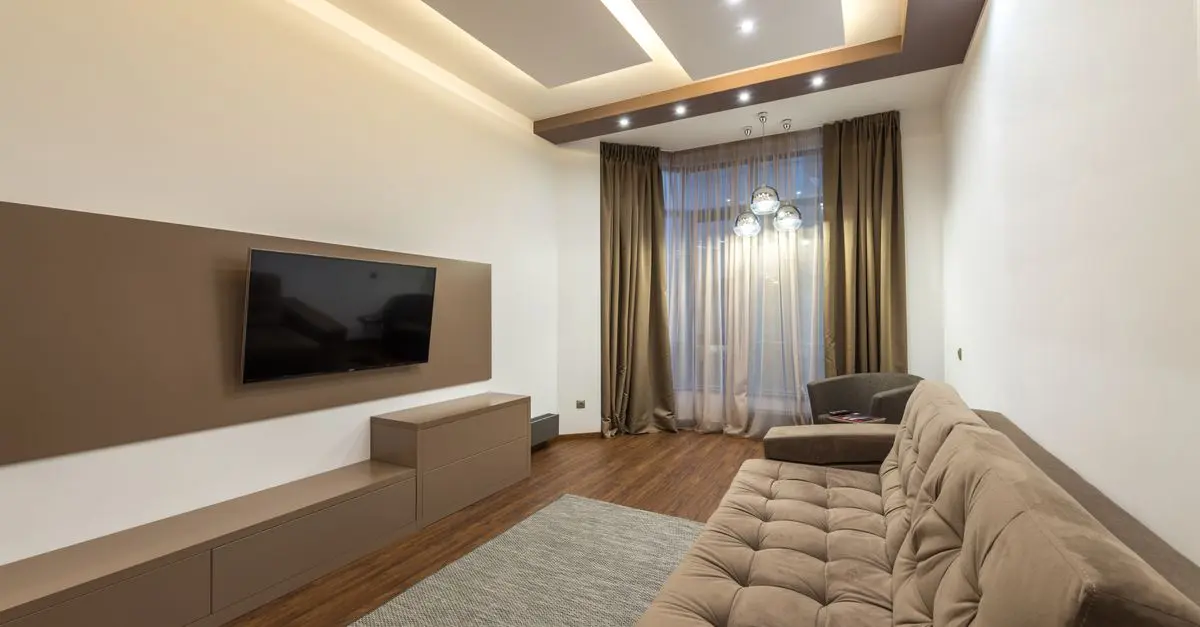
- Living Room: Requires ambient lighting complemented by task lights for reading or hobbies.
- Kitchen: Needs bright task lighting for safety and clarity, especially over work surfaces.
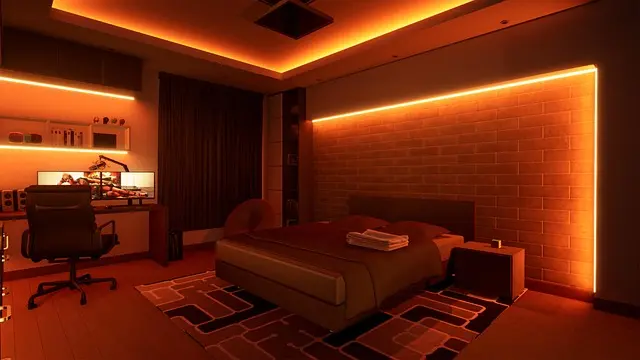
- Bedroom: Should focus on softer ambient lighting for relaxation, with task lighting for bedside reading.
Assessing the function of each room will guide you in choosing appropriate lighting that meets those needs efficiently.
3. Evaluate Natural Light Sources
Before deciding on artificial lighting, consider the amount of natural light each room receives. Rooms with ample daylight may need less artificial lighting, allowing you to select softer, warmer options.
- South-facing rooms usually receive more sunlight and can benefit from dimmer fixtures.
- North-facing rooms are often less bright and may require brighter, more energising light fixtures.
Windows can also affect colour appearance; underneath natural light, colours may look different than under artificial lighting. Factor this in when selecting your bulbs and fixtures.
4. Choose the Right Bulb Type
The type of light bulb greatly affects energy consumption, lifespan, and the light's quality and colour.
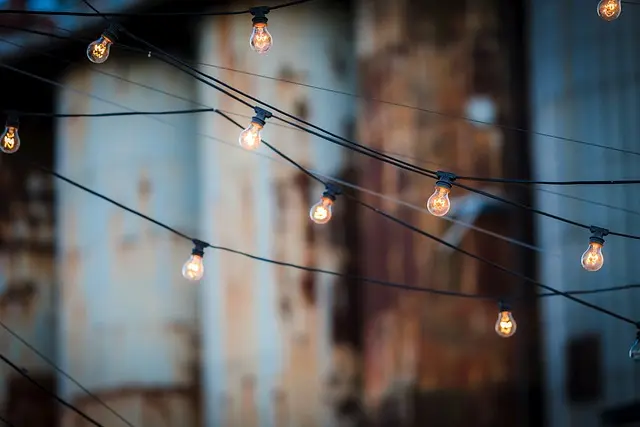
- Incandescent: Offer warm light but are energy-intensive and have a shorter lifespan.
- LED: Highly energy-efficient, with a long lifespan and various colour options, making them a popular contemporary choice.
- CFL: More energy-efficient than incandescent but less versatile and can contain mercury.
Consider your budget, how often you’ll replace bulbs, and the intended ambiance when choosing the right bulb type.
5. Experiment with Dimmer Switches
Installing dimmer switches is an effective way to control your lighting’s intensity and ambience.
- Flexibility: They allow you to adjust brightness based on the time of day or occasion, enhancing the functionality of your space.
- Energy Savings: Dimming lights can reduce energy consumption, extending the bulbs' lifespan.
Dimmers can be added to most fixture types and are a relatively easy upgrade that can subtly transform the mood of a room.
6. Pay Attention to Scale and Proportion
When selecting lighting fixtures, consider their size in relation to the room and other furniture.
- In a large space, a massive chandelier may serve as a statement piece, whereas smaller rooms may benefit from wall sconces or pendant lights that provide ample coverage without overwhelming the area.
- Ensure that fixtures are hung at the right height, particularly over tables or kitchen islands, to avoid disruption to the room's flow.
7. Match Your Interior Design Style
The lighting you choose should complement the overall aesthetic of your home.
- Contemporary: Sleek, minimalist fixtures work well.
- Rustic: Look for fixtures made from wood or wrought iron.
- Traditional: Ornate chandeliers might be more fitting.
Select lighting that echoes your style to create a cohesive look throughout your home.
8. Install Lighting Controls for Flexibility
Consider investing in smart lighting systems that allow you to adjust settings via smartphone apps or voice. These systems often enable you to set schedules, change colours and control the brightness conveniently.
Many smart bulbs are now compatible with home assistant devices, making them a practical choice for modern households.
9. Create Zones with Lighting
Using multiple layers of light can help create specific zones within an open space. For example, you might use a combination of overhead fixtures, table lamps, and floor lamps to demarcate areas for reading, conversation, or dining.
This method improves functionality, allowing different activities to coexist within a larger room.
10. Don't Forget About Style
While practicality is crucial, don’t overlook style. Choose unique lighting fixtures that reflect your personality or serve as a focal point in the room. Statement pieces can add character and charm, breaking monotony.
📺 Ressource Vidéo
To enhance your understanding of choosing the right lighting, check out the video titled “Mastering Lighting: Enhance Your Home Ambience” on YouTube. Search: "choosing the right lighting for home 2026".
Conclusion
Choosing the right lighting can enhance your home's functionality and aesthetic appeal significantly. By following these essential tips, you can make informed decisions that will illuminate your living spaces beautifully.
Checklist before Purchase
- [ ] Assess room function
- [ ] Consider natural light sources
- [ ] Select appropriate bulb types
- [ ] Measure scale and proportion of fixtures
- [ ] Evaluate the inclusion of dimmer switches
Glossaire
| Terme | Définition |
|---|---|
| Ambiance | L'atmosphère ou l'éclairement global d'un espace. |
| Lumens | Unité de mesure de la quantité totale de lumière émise. |
| Kelvin (K) | Unité de mesure utilisée pour décrire la température de couleur de la lumière. |
---
📺 Pour aller plus loin : choosing the right lighting for home 2026 sur YouTube