Contents (9 sections)
Discover how to make each room in your home shine with our expert guide on selecting the right light bulb.
Understanding Light Bulbs
Selecting the right light bulb for every room can significantly impact your home's ambiance, comfort, and energy efficiency. Light bulbs, or lamps, can range from the warm glow of incandescent bulbs to the bright, energy-saving LEDs. According to UFC-Que Choisir, choosing the correct bulb involves considering factors like wattage, lumens, and colour temperature—each affecting the room's feel and functionality.
💡 Tip: Always check for bulb compatibility with your existing fixtures to avoid replacements or damage.
Room-by-Room Guide
When choosing light bulbs, each room requires special attention.
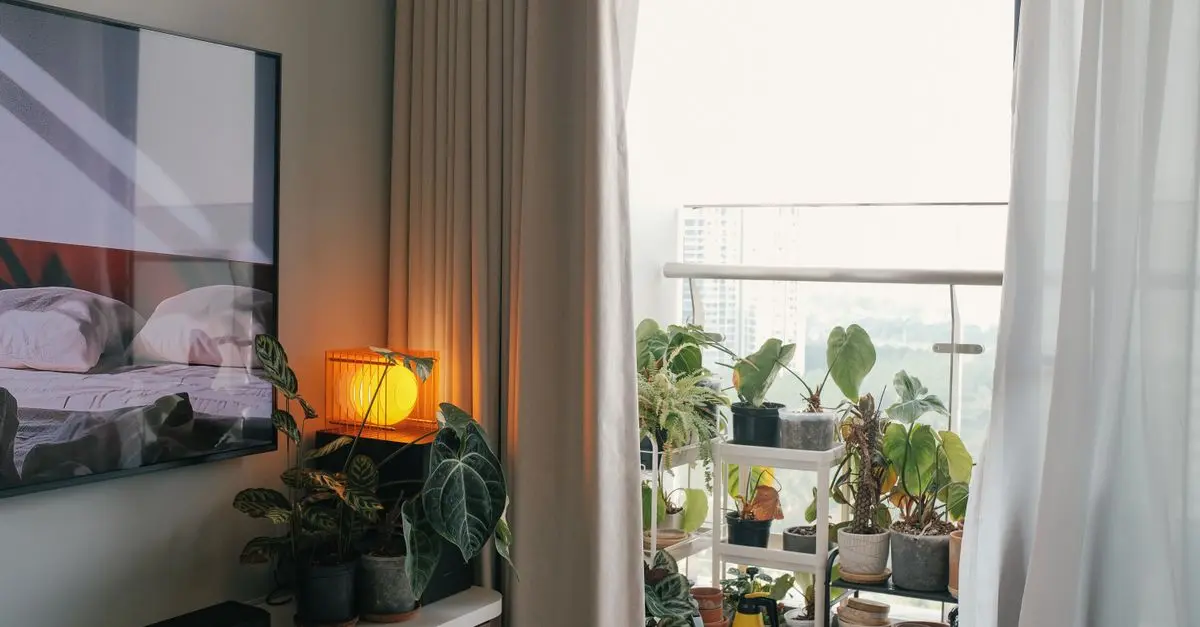
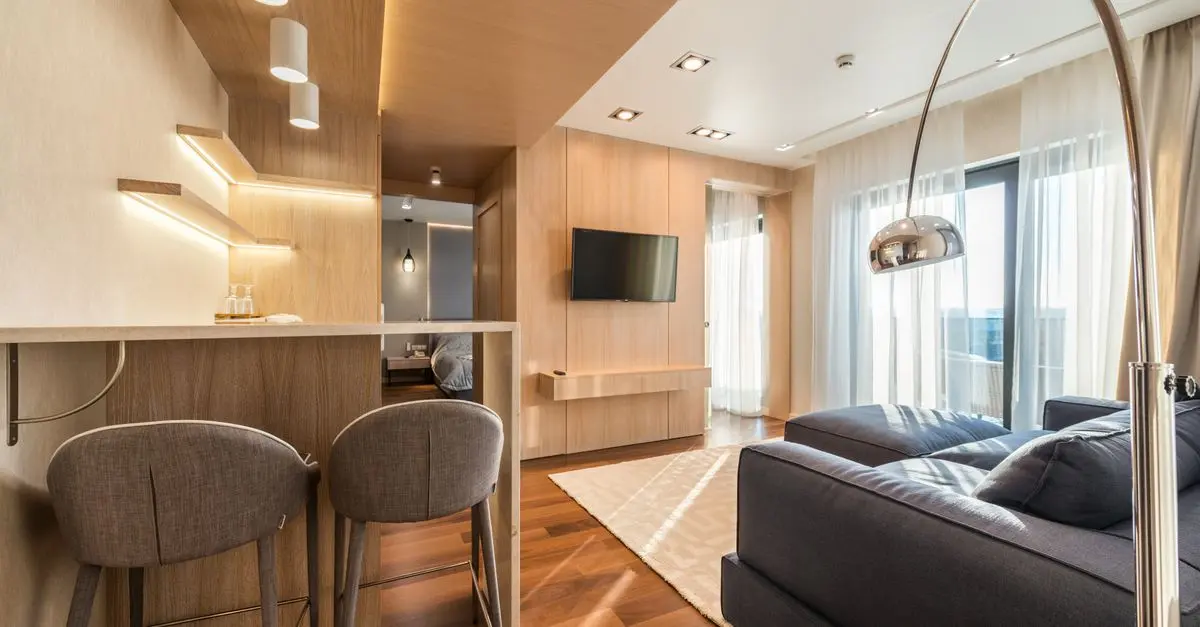
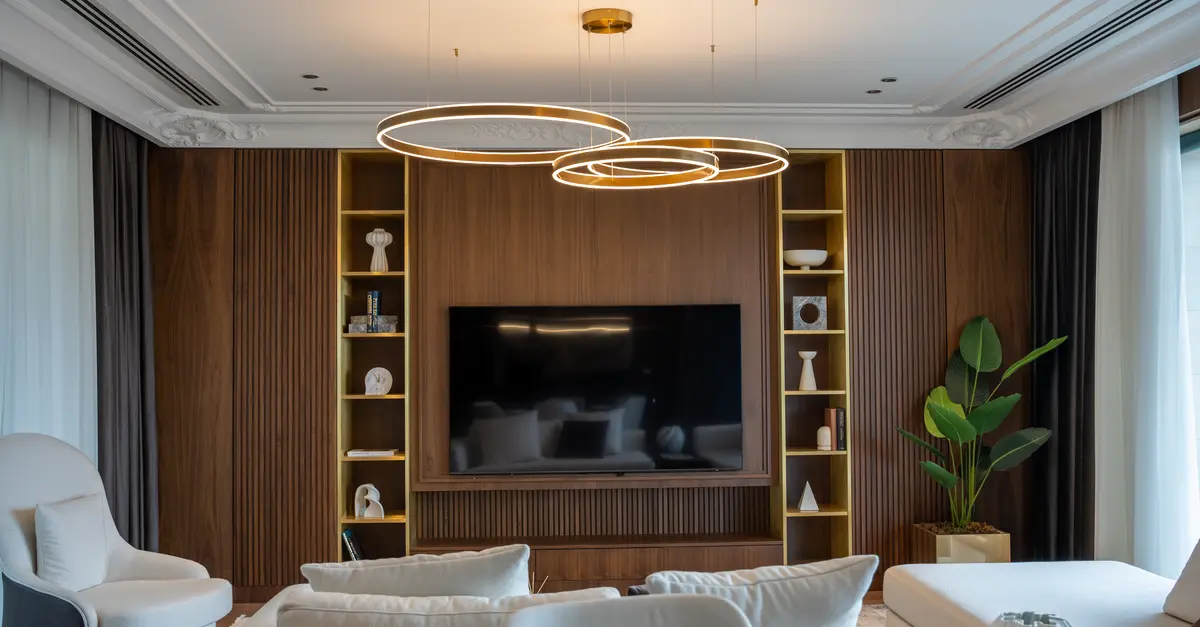
- Living Room: Opt for warm white bulbs with a colour temperature between 2700K-3000K to create a cosy atmosphere. Dimmable LEDs are perfect for adjusting the mood.
- Kitchen: Bright, white light (around 4000K) is ideal for task areas to ensure safety while cooking. Consider under-cabinet lighting for better visibility.
- Bedroom: Soft light around 2700K-3000K helps to create a relaxing environment. Avoid blue-tinted bulbs, as they can disrupt sleep patterns.
- Bathroom: Use cool white bulbs (3000K-4500K) for a crisp, refreshing environment. Ensure bulbs are suitable for humid conditions.
- Home Office: Task lighting with neutral white light (3500K-4500K) can enhance concentration and reduce eye strain.
Comparing Bulb Types
In selecting the right bulb, it's crucial to understand the variances among available options.
| Feature | Incandescent | LED | CFL | Halogen |
|---|---|---|---|---|
| Longevity | Low | High | Medium | Low |
| Energy Use | High | Low | Moderate | High |
| Initial Cost | Low | High | Moderate | Low |
| Warm-up Time | None | None | Slow | None |
Energy Efficiency Considerations
Energy efficiency is key in selecting bulbs. LEDs use around 75% less energy compared to incandescent bulbs. According to ADEME, switching to energy-efficient lighting can reduce energy costs significantly and benefit the environment. Ensure bulbs are energy-rated to maximise efficiency and potential savings.
- What is the best light bulb for reading?
Neutral white LEDs are advisable as they reduce glare and eye strain.
- Can I use LED bulbs everywhere?
Yes, but ensure they are compatible with existing fixtures and dimmers.
- What does colour temperature mean?
It describes the light appearance provided by the bulb, measured in Kelvin (K).
- How long do LED bulbs last?
They can last up to 20 years, depending on usage and quality.
📺 Ressource Vidéo
> 📺 Pour aller plus loin : Selecting the Best Light Bulbs for Different Uses, a detailed look at home lighting essentials. Search YouTube for: "choisir ampoule maison 2026"
Checklist avant achat
- [ ] Determine the purpose of lighting for each room.
- [ ] Check fixture compatibility.
- [ ] Compare wattage and lumens.
- [ ] Consider the colour temperature.
- [ ] Evaluate energy efficiency ratings.
Glossaire
| Terme | Définition |
|---|---|
| Wattage | A measure of electrical power consumed. |
| Lumens | A unit of brightness from a light source. |
| Colour Temperature | The hue emitted by a bulb, measured in Kelvin (K). |