Contents (17 sections)
In an age where technology seamlessly integrates with everyday life, smart lighting solutions have become essential components of modern homes. These solutions not only enhance visual aesthetics but also offer energy efficiency and convenience. Understanding the various options available and how to select the best lighting for your specific needs can seem daunting. This guide aims to simplify that process.
1. Understanding Smart Lighting
Before diving into the selection process, it is essential to understand what smart lighting entails. Smart lighting encompasses light fixtures and bulbs that can be controlled via apps or smart home systems. They often boast a range of features, including colour changes, dimming capabilities, and even automation based on your daily routines. For example, many homeowners appreciate the ability to adjust their lighting remotely or schedule lights to turn on or off at specific times.
The rise in smart lighting options is tied closely to the increased awareness of energy consumption. According to UFC-Que Choisir, smart lighting solutions can lead to energy savings of up to 75% compared to conventional incandescent bulbs. This shift towards energy-efficient solutions is not just about reducing bills; it's also about minimising environmental impact.
Key Benefits of Smart Lighting
- Convenience: Control your lights from anywhere via mobile apps.
- Energy Efficiency: Automatic adjustments reduce energy waste.
- Customisation: Set scenes and schedules tailored to your lifestyle.
2. Step-by-Step Guide to Choosing Smart Lighting
Step 1: Assess Your Lighting Needs
Begin by assessing the specific areas in your home that require smart lighting. Consider task lighting for activities like reading or cooking, ambient lighting for relaxing spaces, and accent lighting to highlight architectural features. For example, a well-lit kitchen may benefit from under-cabinet lights, while a living room could use smart bulbs to create various moods.
Step 2: Determine System Compatibility
Evaluate whether you want to integrate your smart lighting with existing smart home systems, such as Amazon Alexa or Google Home. Compatibility ensures that your lighting can communicate effectively with other devices. This characteristic allows for complex setups—like programming your lights to dim when your TV is turned on. Always read product descriptions carefully to ensure compatibility.
Step 3: Choose Your Lighting Type
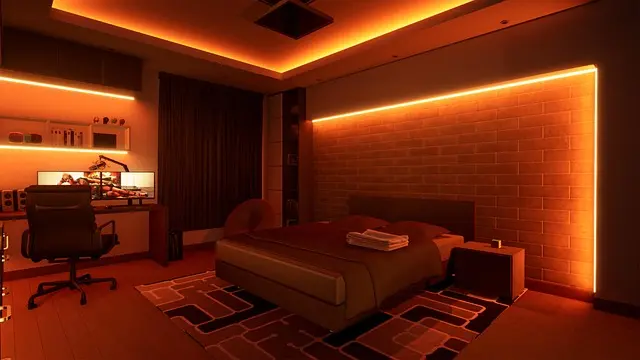
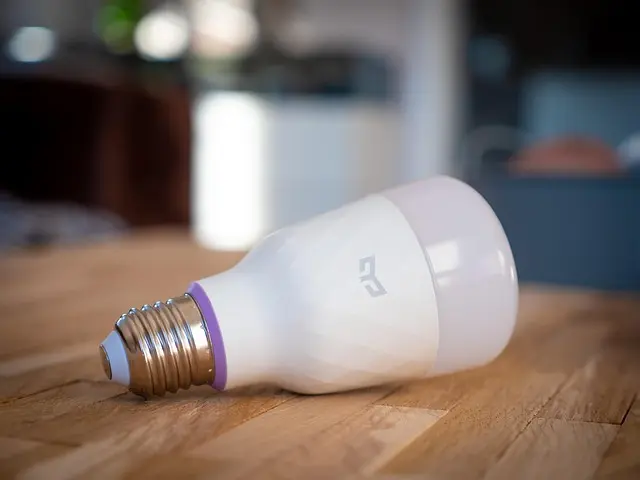
Smart lighting comes in several forms, including smart bulbs, LED strips, and smart fixtures. Smart bulbs are the most versatile since they can fit into traditional lamps and fixtures. LED strips can be used for creative installations, such as lighting shelves or under furniture. Fixtures often provide integrated smart technology for a cleaner look.
Step 4: Evaluate Control Options
The level of control is a crucial factor. Some systems allow for comprehensive control via smartphone apps, while others may offer remote controls or manual switches. Touchless control, like voice commands, is a popular option for convenience. Always consider how you prefer to interact with your lighting when making selections.
Step 5: Set a Budget
Smart lighting can vary significantly in cost, from economically priced bulbs to premium fixtures. It’s vital to determine your budget upfront and assess the potential savings in energy costs to justify the initial investment. Keep in mind that while individual bulbs may seem expensive, their longevity and efficiency can offer savings in the long run.
Step 6: Installation
Some smart lighting solutions allow for DIY installation, whereas others may require professional assistance. Assess your skills and comfort level for installation tasks. For example, replacing standard bulbs with smart bulbs can usually be accomplished without any professional help, but a wired fixture may require an electrician.
Step 7: Regular Updates and Maintenance
Smart lighting systems often receive updates via apps, improving functionality or providing new features. Regularly ensuring your systems are updated can enhance performance and security. Also, consider the lifespan of your smart bulbs—many have long lifespans, but it is wise to have replacements ready, especially for essential fixtures.
💡 Expert Opinion: Users often report significant satisfaction with smart lighting, notably the flexibility it provides in creating a personalised environment. Many appreciate features that allow them to adjust brightness and colour based on mood or activity.
3. Comparing Options: Smart Bulbs vs. Smart Fixtures
Here’s a comparative overview of smart bulbs and smart fixtures to help you decide:
| Feature | Smart Bulbs | Smart Fixtures | Verdict |
|---|---|---|---|
| Price | Generally more affordable per unit | Higher upfront costs but integrated design | Smart bulbs are cost-effective for beginners; fixtures are for those seeking aesthetics |
| Installation | Easy; screw in like regular bulbs | May require an electrician for wiring | Smart bulbs are DIY-friendly; fixtures can be complex |
| Compatibility | Wide range available | Often brand-specific | Smart bulbs offer broader options; fixtures might limit choices |
| Control Options | App and voice control through hubs | Usually app-based, may include manual controls | Smart bulbs offer flexible control; fixtures often depend on the installation setup |
4. Current Trends and Statistics in Smart Lighting
The demand for smart lighting solutions is on the rise, with an expected market growth of 20% annually from 2026 onwards, according to a report by Les Numériques. This growth is driven by advancements in technology, enhanced user experience, and increasing energy costs. The trend towards home automation is becoming more prominent as homeowners seek convenience and energy efficiency.
Key trends include:
- Integration with smart home ecosystems is becoming standard.
- Customisable lighting options now allow users to adjust settings based on time of day and activity.
- Increased focus on sustainable and energy-efficient solutions.
📺 Resource Video
> 📺 To go further: In-depth analysis of smart lighting solutions, explore this topic on YouTube: smart lighting solutions guide 2026.
Frequently Asked Questions (FAQ)
- What is smart lighting?
Smart lighting refers to an advanced form of lighting that can be controlled remotely, often enhancing convenience and energy efficiency.
- Can I install smart lighting by myself?
Many smart bulbs are designed for easy DIY installation; however, some smart fixtures may require professional installation.
- Are smart bulbs energy-efficient?
Yes, smart bulbs typically use LED technology, which is significantly more efficient than traditional incandescent bulbs.
- Will smart lighting work with my existing smart home system?
Most smart lighting products are compatible with popular smart home systems, but always check for specific compatibility before purchasing.
Glossaire
| Terme | Définition |
|---|---|
| Smart Bulb | A light bulb equipped with wireless technology that enables remote control via a smartphone or smart home system. |
| Smart Fixture | A lighting fixture that integrates smart technology directly into its design, often allowing for smart functionality without needing a separate bulb. |
| Automation | A feature that allows you to schedule and control lighting changes automatically based on specific times or events.
Checklist before Purchase
- [ ] Assess your lighting needs
- [ ] Determine compatibility with existing systems
- [ ] Choose the appropriate lighting type
- [ ] Evaluate control options
- [ ] Set a realistic budget
- [ ] Plan for installation method
- [ ] Check for maintenance and update needs
By following these steps and utilising the provided information, you can confidently select the best smart lighting solutions tailored to your home needs. Embrace the transformative benefits of smart lighting and watch your home come alive with personality and efficiency!
📺 Pour aller plus loin : smart lighting solutions guide 2026 sur YouTube