Contents (18 sections)
In an era where climate change is increasingly prevalent, making eco-friendly choices at home has become more crucial than ever. One area that often gets overlooked is lighting. Opting for sustainable lighting solutions does not only reduce your carbon footprint, but it can also enhance the aesthetics of your home. This tutorial will guide you through the steps to choose the right sustainable lighting for your residence, incorporating both style and functionality.
1. What Are Sustainable Lighting Solutions?
Sustainable lighting encompasses energy-efficient and environmentally friendly lighting options. These solutions significantly reduce energy consumption, utilise eco-friendly materials, and often incorporate technology that extends lifespan and functionality. For instance, light-emitting diodes (LEDs) are a prime example of sustainable lighting because they consume up to 75% less energy than traditional incandescent bulbs and last up to 25 times longer.
Research conducted in 2025 suggested that switching to LED lighting could result in an estimated savings of £218 over the lifetime of a single bulb. Additionally, sustainable lighting solutions can include solar-powered fixtures, which harness renewable energy for outdoor lighting needs. Overall, making informed choices about your lighting can contribute significantly to reducing energy costs and environmental impact.
2. Step-by-Step Guide to Choosing Sustainable Lighting
Step 1: Assess Your Needs
Before diving into different options available for sustainable lighting, it’s essential to assess the specific needs of your home. Consider the following:
- Room function: Different areas may require varying light levels. For example, a kitchen might need brighter lighting for cooking and food preparation, whereas a bedroom may benefit from softer lighting for relaxation.
- Style and decor: Your choice of lighting should complement your home’s design. Consider fixtures that add character to your space while being energy efficient.
- Usage patterns: Think about how much time you spend in each room and the typical activities performed there to determine the lighting requirements.
Step 2: Choose Energy-efficient Lighting Options
With needs identified, you can now look for lighting options that are energy efficient. Prioritise bulbs such as:
- LEDs: As mentioned, these bulbs are highly efficient and have a long lifespan. They also come in various designs and styles to suit your decor.
- CFLs (Compact Fluorescent Lamps): These are more energy-efficient than traditional bulbs, although they have a shorter lifespan than LEDs. Still, they provide decent lighting at a fraction of the energy consumption.
- Solar lights: Perfect for outdoor spaces, solar-powered lights absorb sunlight during the day and use that energy to illuminate spaces at night.
Step 3: Consider Smart Lighting
Integrating smart technology into your lighting can enhance energy efficiency. Smart bulbs allow for:
- Remote control: Adjust your lighting from a mobile device or through voice assistants, helping you optimise energy usage.
- Timers and schedules: You can set lights to turn on or off at specific times, ensuring that they are not left on longer than necessary.
- Dimming options: Dimming your lights reduces energy consumption significantly, allowing for more control over the ambience in each room.
Step 4: Material and Design Choices
Selecting lighting fixtures made from sustainable materials is as important as choosing energy-efficient bulbs. Look for:
- Recycled materials: Fixtures made from repurposed or recycled components help minimise waste.
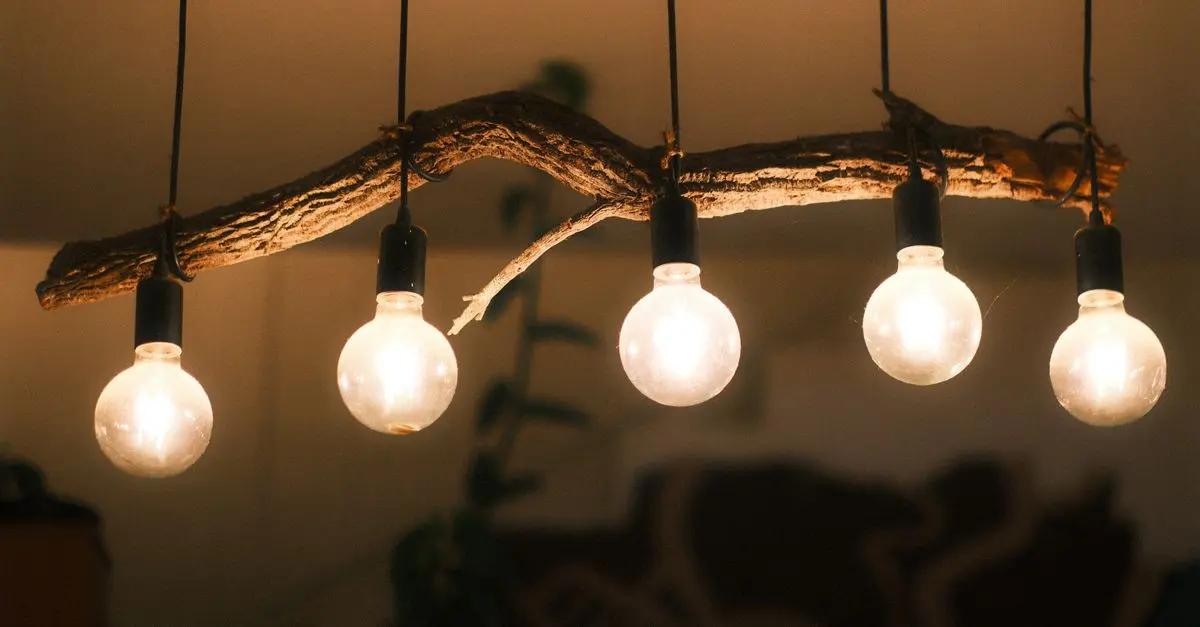
- Natural materials: Options such as bamboo or reclaimed wood provide an organic touch to your home decor while supporting sustainable practices.
- Timeless designs: Investing in designs that won’t go out of style decreases the likelihood of them needing to be replaced frequently, which is both cost-effective and better for the environment.
Step 5: Installation and Maintenance
Ensure your lighting is professionally installed for safety and optimal performance. Additionally:
- Regularly clean your fixtures, as dust accumulation can reduce their efficiency and brightness.
- Monitor for any issues early through smart technology that alerts you to failures or flickering, helping you maintain them in an energy-efficient state.
By following these steps, you can effectively select sustainable lighting solutions that meet your needs while also enhancing the beauty of your home.


Techair TAECV007 Sustainable style for 11.6" laptops and Chromebooks. Made from recycled bottles, the Eco Sleeve pairs eco-friendly design with
Back to the Office
3. Comparative Analysis of Lighting Solutions
Here is a comparative analysis of different lighting options, highlighting their pros and cons:
| Criterion | LED | CFL | Solar Lighting | Incandescent |
|---|---|---|---|---|
| Energy Efficiency | High (75% savings) | Moderate (25-30% savings) | High (zero energy cost) | Low (100% energy use) |
| Lifespan | Up to 25,000 hours | 7,000 hours | 10,000+ hours | 1,000 hours |
| Initial Cost | Moderate | Low | Moderate to High | Low |
| Environmental Impact | Minimal | Moderate | Very Low | High |
| Light Quality | Excellent (variety) | Good (soft white) | Variable | Good (warm light) |
4. FAQs about Sustainable Lighting Solutions
Q1: What are the main benefits of sustainable lighting?
A1: Sustainable lighting reduces energy consumption, lowers electricity bills, and minimises environmental impact, all while providing quality illumination.
Q2: How can I ensure my lighting is energy-efficient?
A2: Choose LEDs or CFLs, utilise smart technology, and opt for fixtures made from sustainable materials. Regular maintenance also plays a key role.
Q3: Are solar lights effective for all areas?
A3: While solar lights are great for outdoor areas, their effectiveness depends on direct sunlight exposure. Consider other options for shaded areas.
Q4: How can I integrate smart lighting into my home?
A4: Look for smart bulbs that can be connected to an app or voice assistant, allowing you to control your lighting remotely and set schedules.
Conclusion
Investing in sustainable lighting solutions is a solid choice for any homeowner looking to reduce their carbon footprint and enhance their home's aesthetic. We have selected several products tailored to your needs to help you make the switch effectively.
Checklist before buying
- [ ] Assess room lighting needs
- [ ] Choose energy-efficient bulb types
- [ ] Consider incorporating smart technology
- [ ] Research sustainable materials for fixtures
- [ ] Schedule professional installation and maintenance

📺 Ressource Vidéo
To dive deeper into choosing sustainable lighting for your home, search on YouTube: "how to choose sustainable lighting for your home".
Glossaire
| Terme | Définition |
|---|---|
| LED | A type of lighting that is energy-efficient and has a long lifespan, reducing electricity costs. |
| CFL | Compact Fluorescent Lamp, a type of energy-efficient light bulb that uses less electricity than incandescent bulbs. |
| Smart Lighting | A lighting solution that allows remote access and control, enhancing energy efficiency and convenience. |
---
📺 Pour aller plus loin : how to choose sustainable lighting for your home sur YouTube
Recommended products
Selected by our experts