Contents (18 sections)
Creating an effective workspace at home involves several elements, not least of which is adequate lighting. The right home office lighting not only enhances the aesthetics of your environment but also significantly impacts your productivity and well-being. Poor lighting can lead to eye strain, headaches, and decreased efficiency, while optimal lighting can create a vibrant, motivating atmosphere. In this guide, we'll walk you through essential steps to select the best lighting for your home office setup, ensuring that you can work comfortably and effectively.
1. Understand the Basics of Home Office Lighting
Importance of Proper Lighting
Before diving into specifics about types of lighting, it’s crucial to comprehend why it matters. Good lighting can influence mood, concentration, and performance. According to a study by the Helsinki University of Technology, proper lighting can improve productivity by up to 15%. It's not just about visibility; it’s about creating an environment conducive to work. For home office lighting, consider these guiding principles:
- Task Lighting: Focused lighting for specific tasks, like reading or writing.
- Ambient Lighting: Overall illumination that provides a comfortable level of brightness without causing glare or harsh shadows.
- Accent Lighting: Adds character and visual interest, helping to establish the office's atmosphere.
Understanding these categories is fundamental as you begin selecting your lighting.
2. Assess Your Workspace Needs
Evaluating Your Home Office Layout
Every home office is unique, which means your lighting needs will vary. Start by assessing the layout and the natural light available in your space.
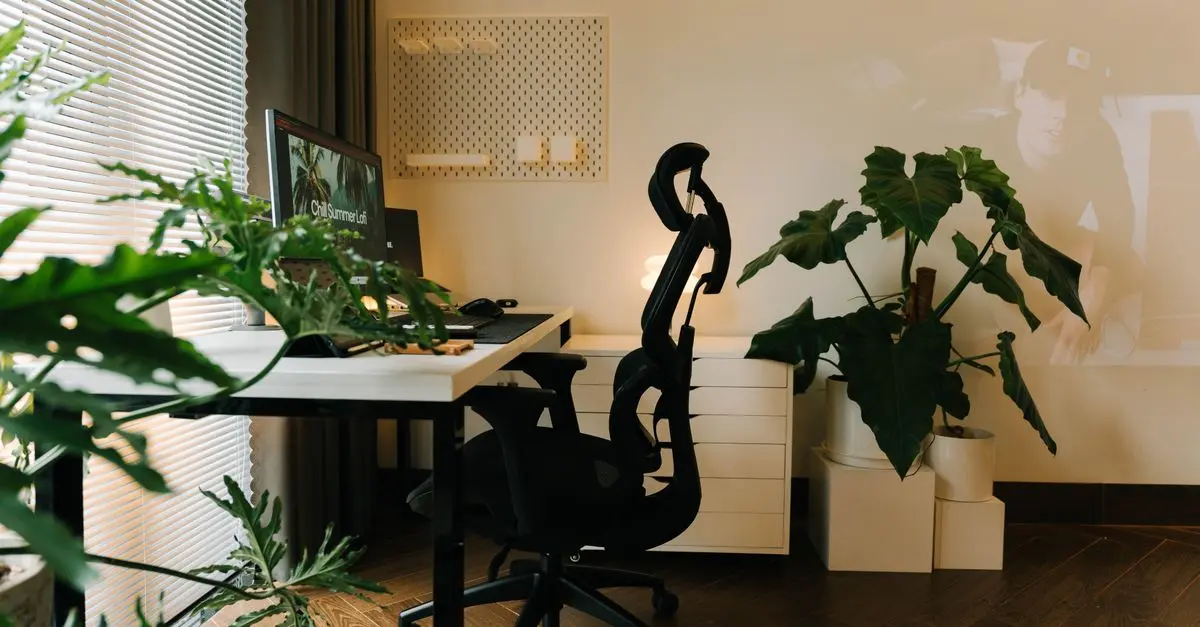
- Natural Light: Evaluate how much sunlight your space receives throughout the day. Positioning your desk near windows can provide ample natural lighting, which is beneficial during daylight hours. However, consider window coverings that can diffuse this light to prevent glare.
- Artificial Lighting: Identify dark corners or areas needing additional light. Depending on your setup, you may need a combination of ceiling lights, desk lamps, and floor lamps. Many experts recommend using multiple light sources at varying heights to reduce shadows and create a well-balanced environment.
3. Choose the Right Types of Light Bulbs
Understanding Bulb Options
Selecting light bulbs is a critical step in setting up your home office lighting. Here are the main types of bulbs to consider:
- Incandescent Bulbs: Warm, inviting light but energy-inefficient and short-lived.
- LED Bulbs: Highly energy-efficient and available in various colour temperatures; a great choice for modern offices.
- Compact Fluorescent Lamps (CFL): More energy-efficient than incandescent but may take time to warm up.
Understanding the colour temperature is also vital. Cooler light (above 5000K) can enhance alertness and focus, while warmer light (around 3000K) creates a more relaxed atmosphere. Be mindful of how these selections will affect your overall workspace vibe.
4. Layer Your Lighting
Creating a Balanced Lighting Scheme
To achieve optimal functionality in your home office, it's essential to layer your lighting. This means combining different types of lighting to address different needs effectively:
- Ambient Lighting: Start with a bright overhead fixture that provides general illumination.
- Task Lighting: Add desk lamps or under-shelf lighting focusing directly on your work surface. Adjustable lamps can provide extra versatility for reading or detail work.
- Accent Lighting: Incorporate decorative fixtures or LED strips to highlight bookshelves or artwork, creating visual interest and a more inviting environment.
By combining these lighting types, you can create a holistic atmosphere that supports productivity and well-being.
5. Control Lighting Levels
The Role of Dimming and Controls
Flexibility is key in lighting design. Utilising dimmers can help tailor the light intensity to your preferences and tasks, from bright light for exciting projects to softer lighting for calls or brainstorming sessions.
- Smart Lighting Solutions: Many modern light systems allow users to adjust brightness and colour temperature via app or voice control, tailoring the environment according to the time of day and task.
- Windows Treatments: Pair your lighting with adjustable blinds to allow natural light control throughout the day, making your workspace adaptable to different times and moods.
Controlling light levels can enhance your comfort and increase your efficiency, creating an environment that is adaptable to your various working needs.
6. Common Mistakes to Avoid
Learn from Others
In designing your lighting scheme, certain pitfalls can undermine your efforts:
- Insufficient Lighting: Poor visibility can lead to eye strain. Always ensure adequate levels for your tasks.
- Overly Harsh Lights: Bright white bulbs can create a hospital-like atmosphere that’s uninviting. Aim for a warm balance.
- Neglecting Natural Light: Don’t block windows that provide essential daylight. Instead, enhance it with strategic placement.
By avoiding these common mistakes, you can enhance the effectiveness and comfort of your workspace.
7. Creating a Checklist for Your Home Office Lighting
Essential Steps to Follow
Before finalising your home office lighting, use this checklist to guide your decisions:
- [ ] Evaluate natural light availability
- [ ] Consider lighting functions needed (task, ambient, accent)
- [ ] Choose the right types of bulbs based on your office layout
- [ ] Implement layered lighting schemes
- [ ] Incorporate adjustable controls (dimmers, smart lighting)
- [ ] Avoid common lighting mistakes as noted
This actionable checklist will ensure you cover all essential aspects of your home office lighting setup and optimise your working environment.
📺 For further exploration:
Watch our video on creating the perfect home office lighting setup. Search for: "home office lighting tips 2026".
Glossary
| Term | Definition |
|---|---|
| Ambient Light | General illumination that fills the room, creating a bright and comfortable atmosphere. |
| Task Lighting | Concentrated light designed to assist with specific tasks such as reading, writing, or crafting. |
| LED | Light Emitting Diode; an energy-efficient light source offering longevity and various colour temperatures. |
Checklist before your lighting purchase
- [ ] Evaluate your workspace needs
- [ ] Choose the right bulb types
- [ ] Layer your lighting properly
- [ ] Ensure colour temperatures are suitable
- [ ] Check dimming features
🧠 Quick Quiz: How important is natural light to your home office's productivity?
- A) Very important
- B) Somewhat important
- C) Not important
Answer: A — Natural light increases productivity by improving mood and focus.
📺 Pour aller plus loin : home office lighting tips 2026 sur YouTube