Contents (12 sections)
Creating an efficient home office begins with understanding the importance of lighting. The right lighting can significantly enhance your productivity, improve your mood, and reduce eye strain. In this guide, we’ll explore how to choose the ideal lighting for your home office, ensuring you work comfortably and effectively.
The Importance of Lighting in a Home Office
Good lighting is one of the most critical aspects of any office setup. Research indicates that adequate lighting can increase productivity by up to 20%. Poor lighting can lead to fatigue, headaches, and decreased performance. Consider these key factors:
- Natural Light: Maximising natural light is essential. Studies show that exposure to natural light increases mood and energy levels. Position your desk near a window whenever possible.
- Task and Ambient Lighting: Combining ambient (general illumination) and task (focused light for work) lighting can create a balanced environment. Task lighting, such as desk lamps, provides direct light for projects, while ambient lighting ensures the entire room is well-lit.
Step 1: Assess Your Space and Needs
Before selecting the right lighting, evaluate your space. Is your office large or small? Do you have windows that let in natural light? Understanding your environment is crucial. Here are some steps to follow:
- Measure the Room: Get an accurate measurement of the dimensions to determine how much light you need.
- Identify Light Sources: Note where existing light sources are located, including windows, overhead lights, and lamps.
- Consider Your Activities: Are you mostly reading, writing, or using a computer? The type of tasks will dictate the kind of lighting you require.
- Evaluate Light Quality: Notice how the light looks at different times of the day. Daylight bulbs mimic natural light, making them excellent for workspaces.

Ruma Grey Self Lined Linen Drum Lamp Shade for Table Lamps & Floor Lamps Grey
debenhams.com

Samsung Galaxy Book6 (16", Core Ultra 7, 16GB), a Copilot+ PC
Back to the Office

Ruma Grey Self Lined Linen Drum Lamp Shade for Table Lamps & Floor Lamps - Grey - Size: One Size
wallis.co.uk
Step 2: Choose the Right Bulbs
Light bulbs come in various types, affecting the ambiance and effectiveness of your home office. Here are primary options:
- Incandescent Bulbs: These provide a warm glow but can consume more energy and generate heat.
- LED Bulbs: Highly recommended for home offices due to their energy efficiency and long lifespan. They come in varying colour temperatures, which can impact focus and alertness.
- Fluorescent Bulbs: Often used in commercial offices, they can be harsh on the eyes and should be used with caution.
Choosing the right bulb can drastically alter your workspace enjoyment and functionality.
Step 3: Layer Your Lighting
Effective home office lighting usually incorporates multiple types of lighting for versatility:
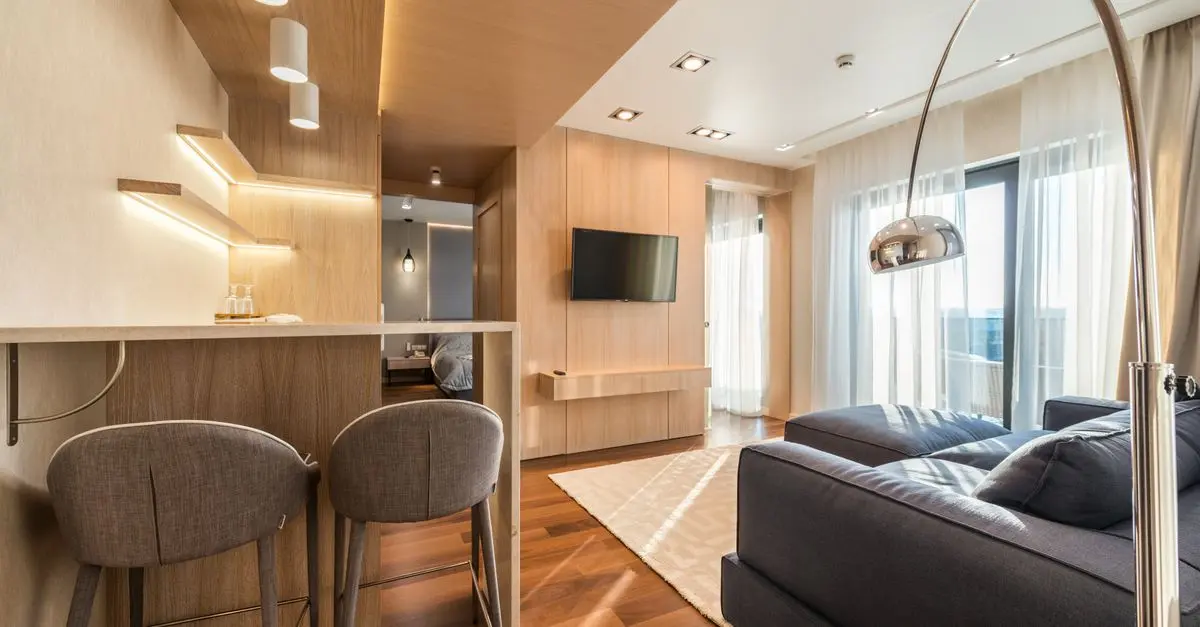
- Ambient Lighting: This serves as the primary light source. Ceiling-mounted fixtures or floor lamps can illuminate the space.
- Task Lighting: Desk lamps or adjustable lamps allow for spot lighting where you need extra focus, such as for reading or writing.
- Accent Lighting: This can be decorative and add to the overall feel of the office. Consider LED strips or decorative wall sconces.
Layering your lighting allows you to customise the brightness and mood according to your tasks or time of day.
Step 4: Consider Colour Temperature
Light colour can dramatically affect your focus and relaxation:
- Warm White (2700K - 3000K): Ideal for creating a cosy ambiance and suitable for evening work.
- Cool White (3500K - 4100K): Perfect for a balance between warmth and brightness.
- Daylight (5000K - 6000K): Best for stimulating wakefulness and alertness, similar to natural daylight. This option is excellent for tasks requiring significant focus or detail.
Choosing the right colour temperature can enhance your productivity and application of focus.
Step 5: Create a Lighting Plan
After assessing your space, bulb types, layering techniques, and colour temperatures, formulate a lighting plan that integrates everything:
- Draw your layout: Sketch where lights will go based on task zones. Keep brightness in mind as you design.
- Install dimmers: Adding dimmer switches to your lighting can allow flexibility, adjusting intensity based on your needs.
- Experiment: Don’t hesitate to move lights around or replace bulbs until you find the perfect combination that works for your workflow.
Checklist for Choosing Lighting
- [ ] Assess the size and layout of your space.
- [ ] Determine which types of bulbs suit your needs.
- [ ] Layer your lighting for versatility.
- [ ] Consider the colour temperature that boosts your productivity.
- [ ] Create and adjust a lighting plan accordingly.

Samsung Galaxy Book6 (16", Core Ultra 5, 16GB), a Copilot+ PC
Back to the Office

Samsung Galaxy S25 SM-S931B/DS 15.8 cm (6.2") Dual SIM Android 15 5G USB Type-C 12 GB 512 GB 4000 mAh Black, Blue
Back to the Office

Glossary
| Terme | Définition |
|---|---|
| Lumens | Mesure de la luminosité d'une source de lumière, indiquant la quantité de lumière émise. |
| Kelvin (K) | Unité de mesure pour la température de couleur des ampoules, influençant l'ambiance. |
| Efficacité Energétique | Capacité d'un produit à fournir un éclairement maximal tout en réduisant la consommation. |
📺 Ressource Vidéo
> Pour aller plus loin : Comment choisir l'éclairage idéal pour un bureau à domicile, une analyse complète de l'importance du bon éclairage. Recherchez sur YouTube : "choisir l'éclairage pour bureau à domicile 2026".
Conclusion
In conclusion, choosing the right lighting for your home office is crucial for maintaining productivity and comfort. By considering factors like natural light, bulb type, layering techniques, and colour temperature, you can create an ideal working environment. Remember, lighting impacts not only your ability to work but also your overall well-being. Explore our recommendations below to enhance your workspace.
📺 Pour aller plus loin : choosing the right lighting for home office 2026 sur YouTube
Recommended products
Selected by our experts

TP-Link Archer GE400 BE6500 wireless router 2.5 Gigabit Ethernet Dual-band (2.4 GHz / 5 GHz)
Back to the Office


TP-Link Archer GXE75 wireless router 2.5 Gigabit Ethernet Tri-band (2.4 GHz / 5 GHz / 6 GHz)
Back to the Office

TP-Link EAP650-DESKTOP wireless access point 2976 Mbit/s White Power over Ethernet (PoE)
Back to the Office