Contents (12 sections)
Introduction
Choosing the right lighting for your home can significantly alter the ambiance and aesthetic of your space. Two popular options are pendant lights and chandeliers. Both have unique attributes that can complement different interior designs. This guide will explore their differences, guiding you to make an informed decision that enhances both functionality and style in your home.
Understanding Pendant Lights and Chandeliers
Pendant Lights
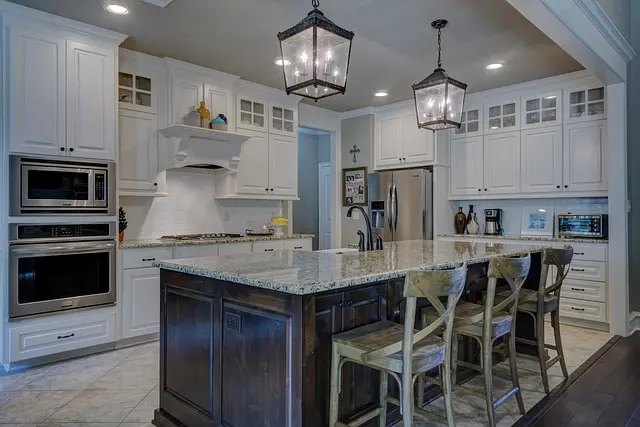
Pendant lights are a single light fixture that hangs from the ceiling, usually suspended by a cord, chain, or metal rod. They are versatile, coming in various styles and sizes, which can be used as a focal point or to illuminate specific areas such as kitchen islands or dining tables. They are often preferred in minimalist or contemporary décors due to their simple yet impactful design. Pendant lights are generally more energy-efficient as they can be used with LED bulbs, which also offer longer lifespans.
Chandeliers
Chandeliers are elaborate, multi-arm lighting fixtures that typically hang from a singular base. Known for their grandeur and decorative elements, chandeliers often serve as the centrepiece of a room, bringing a luxurious feel. Traditional chandeliers are made with materials like crystal or brass, but modern designs incorporate materials like wood or iron for a more understated look. Chandeliers are ideal for spaces where you want to make a statement, such as entryways or dining rooms.
How to Choose the Right Lighting: Step-by-step Guide
- Evaluate Your Space: Measure the room to ensure the fixture will fit proportionally, enhancing rather than overpowering the space.
- Consider the Height: Ensure adequate clearance between the floor and the base of the fixture; aim for at least 7 feet. In spaces like kitchens, pendant lights should hang 30-36 inches above the countertop.
- Assess Lighting Needs: Consider the light output required. Pendant lights with multiple fixtures can provide task-oriented lighting, whereas chandeliers often offer more ambient light.
- Budget Constraints: Pendant lights are typically more cost-effective, both in initial purchase and in long-term energy savings. Chandeliers might require a higher initial investment, but lend luxurious aesthetics.
Pendant Lights vs Chandeliers: A Detailed Comparison
| Criteria | Pendant Lights | Chandeliers |
|---|---|---|
| Cost | Generally more affordable | Often more expensive |
| Energy Efficiency | High, particularly with LED bulbs | Moderate, depends on bulb type |
| Style Flexibility | Wide range, suits various styles | Best for traditional or grand spaces |
| Installation | Easier, less complex | More complex, may require professional help |
Chandeliers, while often requiring a larger budget, bring a dramatic flair to spaces. The installation might require an electrician, especially for heavier fixtures or difficult-to-reach areas. Chandeliers excel in spaces where their elegance can shine, such as dining rooms or expansive foyers.
Data-driven Insights: Trends and Statistics
According to the Association of Lighting Manufacturers, pendant lights have seen a consistent increase in popularity, especially in contemporary home designs. In 2025, pendant lights accounted for approximately 40% of home lighting purchases, reflecting a growing trend towards sleek, modern aesthetics. Furthermore, UFC-Que Choisir highlights that energy savings from LED pendants can result in 25-30% reduced electricity costs annually.
FAQs
What are the main differences between pendant lights and chandeliers?
Pendant lights are typically simpler and more streamlined, ideal for task lighting, whereas chandeliers are more decorative and suited for making a statement.
Which lighting option is more energy-efficient?
Pendant lights, particularly those using LED bulbs, tend to be more energy-efficient compared to chandeliers.
Can I use pendant lights in a living room?
Yes, pendant lights can be an excellent choice for living rooms, especially when used in multiples or over specific areas like seating arrangements.
Are chandeliers outdated for modern interiors?
Not at all. Many modern chandeliers have sleek designs and materials that blend well with contemporary styles.
📺 Resource Video
📺 For further insights: Explore lighting trends and tips for choosing between pendant lights and chandeliers. Search on YouTube: "pendant lights vs chandeliers comparison 2026".
Glossary
| Term | Definition |
|---|---|
| LED | Light Emitting Diode, a highly energy-efficient lighting technology |
| Ambient Light | General lighting that fills a room, providing overall illumination |
| Task Lighting | Lighting specifically placed to illuminate tasks such as reading or cooking |
- [ ] Measure ceiling height and room size
- [ ] Decide on lighting needs (task vs ambient)
- [ ] Set a clear budget
- [ ] Research energy-efficient options
- [ ] Consult a professional if necessary
💡 Avis d'expert : For a versatile option that blends style and function, consider pendant lights over a kitchen island or dining area. Their adaptability and modern styles make them a popular choice for current home designs.