Contents (11 sections)
Creating a stunning outdoor lighting scheme is essential for both aesthetics and safety. Properly designed lighting can enhance the beauty of your garden, highlight architectural features, and provide necessary illumination for evening gatherings. This guide will walk you through a step-by-step process to create an effective outdoor lighting layout, ensuring that you achieve a well-lit and inviting outdoor space.
1. Assess Your Space and Objectives
Before diving into design, it's crucial to assess the area you wish to illuminate. Consider the following:
- Define your goals: Are you looking to enhance security, improve usability during the night, or create a relaxing ambiance? Knowing your objectives will guide your lighting choices.
- Evaluate current lighting: Take note of existing fixtures and their effectiveness. Are there dark areas or overly bright spots?
- Consider the landscape: Observe natural features like trees, pathways, and buildings.
By understanding what you need for your specific space, you will be better prepared to create a lighting scheme that meets your needs effectively. According to a study by 60 Millions de Consommateurs, well-lit outdoor areas significantly reduce the risk of accidents and enhance security perceptions.
2. Choose the Right Lighting Types
Next, explore the different types of outdoor lighting available. Understanding each type helps in selecting fixtures that align with your vision:
- Path lights: Ideal for illuminating walkways and steps, enhancing safety and navigation.
- Spotlights: Perfect for highlighting specific features such as trees or sculptures.
- Wall lights: Great for creating ambiance around seating areas or patios.
- String lights: Excellent for a festive touch, especially over patios or dining areas. According to Les Numériques, well-placed string lights can significantly enhance the aesthetic appeal of an outdoor space.


Lyyt 10m Indoor Outdoor LED String Festoon Lights, IP44 10 LED Bauble Bulb Patio Garden - Warm White
Boxed2me

3. Plan Your Layout
Once you've assessed your space and chosen the right types of lighting, the next step is sketching a layout. Here’s how to do it:
- Mark your fixtures: Use a garden plan or create a rough sketch of where you want to place each type of light.
- Distance and spacing: Ensure the spacing is even, with no dark gaps. For path lights, maintain a spacing of 6-8 feet apart for optimal illumination.
- Layer your lighting: Consider using a mix of ambient, task, and accent lighting. Ambient lights establish the overall illumination, task lights provide functional lighting, and accent lights highlight focal points.
Avoid common mistakes like clustering too many fixtures in one area or neglecting to create a layered effect. Remember, balance and symmetry can play a key role in achieving an aesthetically pleasing outcome.
📺 Resource Video
> 📺 For further insight: How to Install Outdoor Lighting, a comprehensive exploration of average installation challenges and solutions. Search on YouTube: "outdoor lighting installation guide 2026".
4. Select Appropriate Fixtures
Now that your layout is planned, choosing the right fixtures is crucial in the overall effectiveness of the outdoor lighting scheme. When selecting fixtures, consider the following factors:
- Style and design: Choose fixtures that complement your property’s architecture and landscaping style. For example, rustic homes might benefit from lantern-style fixtures, while modern homes could opt for sleek, minimalist designs.
- Finish and material: Opt for weather-resistant materials that can withstand the British climate, such as stainless steel or bronze. Fixtures in darker shades often hide dirt better and are more practical for outdoor use.
In your search for the perfect fixtures, we have selected several products that are not only functional but also enhance visual appeal. Explore our recommendations below to find the best fit for your design.
5. Installation Considerations
After selecting your fixtures, consider proper installation:
- Electrical skills: If you are uncertain about your electrical skills, hiring a professional is advisable to ensure safety and compliance with local regulations.
- Height and angle: Install fixtures at an appropriate height and angle to avoid creating glare and maximise illumination effects.
- Power supply: Ensure you have a reliable power source for your outdoor lights.
Failing to heed safety regulations can lead to hazards like shock or fire risks, so always prioritise safety when installing outdoor lighting.


Yidoblo AI-3000C RGB LED Video Light Dimmable 2800k-9990k 300w CRI 95 Studio Photo Lamps Metal Panel with 12 Lighting Effects
Alibaba UK

Checklist before Purchase
- [ ] Define your lighting goals
- [ ] Assess existing outdoor lighting
- [ ] Choose lighting types (path, spotlight, wall, etc.)
- [ ] Plan a balanced layout
- [ ] Select fixtures that match your style
- [ ] Ensure safety compliance during installation
Glossary
| Term | Definition |
|---|---|
| Ambient Lighting | General illumination for a space, creating a comfortable level of brightness without glare. |
| Task Lighting | Lighting that provides illumination for specific tasks, such as reading or cooking. |
| Accent Lighting | Decorative lighting aimed at highlighting certain features or artworks. |
Recommended Products
- - - ---
📺 Pour aller plus loin : outdoor lighting installation guide 2026 sur YouTube
Recommended products
Selected by our experts
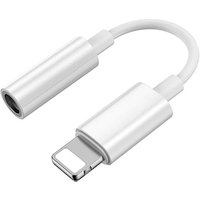
Lighting to 3.5mm Headphones Jack Adapter Aux Adapter Earbuds Headsets Converter Accessories for iphone AUX Adapter
Alibaba UK