Contents (13 sections)
Creating an inviting atmosphere in your home is essential for both comfort and aesthetics. One of the most effective ways to achieve this is through ambient lighting. Ambient lighting serves not only as a functional element but also as a decorative feature that enhances the mood of your living spaces. In this tutorial, we will explore various techniques and practical steps to utilise ambient lighting effectively in your home, ensuring a welcoming environment for you and your guests.
1. Understanding Ambient Lighting
Ambient lighting is more than just illumination; it refers to the soft, diffused light that fills a room, providing a foundation for other lighting layers. This type of lighting creates an overall glow that reduces harsh shadows and highlights the architectural features of a space. Ambient lighting can be achieved through various means, including ceiling fixtures, wall-mounted lights, and floor lamps. According to Les Numériques, well-planned ambient lighting can improve not only the aesthetic value of your home but also your mood and productivity levels. A well-lit room can make spaces feel larger and more inviting, fostering a comforting atmosphere.
2. Choosing the Right Fixtures
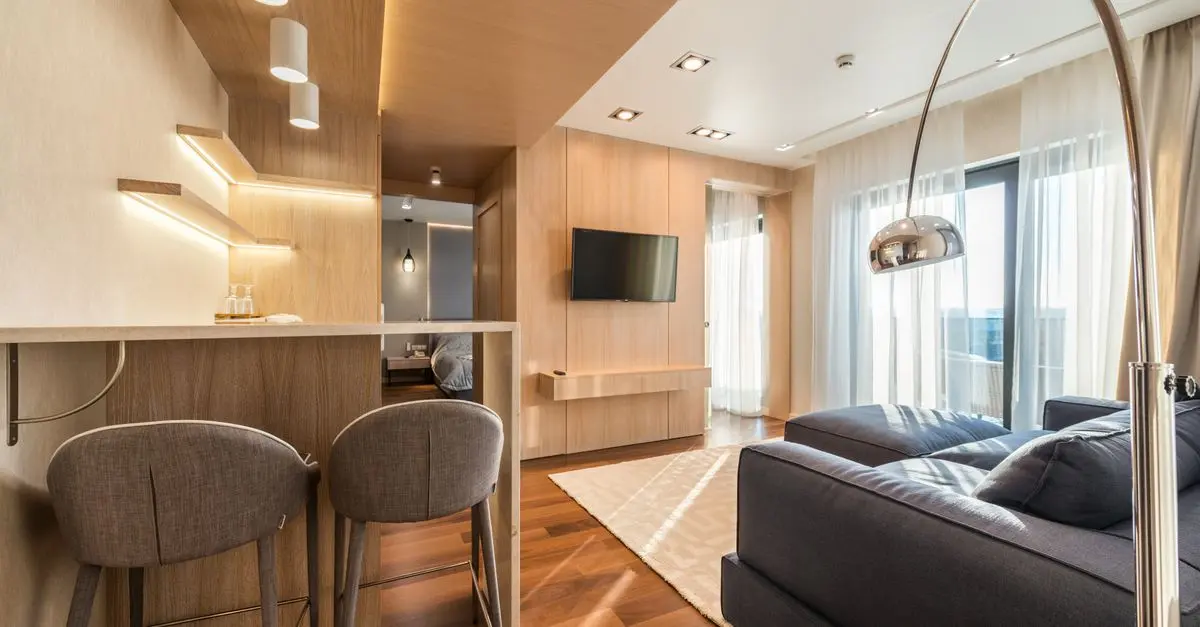
Selecting the right fixtures is crucial for effective ambient lighting. When considering your options, look for fixtures that can diffuse light softly rather than creating focused beams. Pendant lights and chandeliers with shades are excellent choices for dining areas or lounges where you want to create a warm ambiance. Another great option is incorporating LED strip lights into architectural details such as shelves, coves, or under cabinets. These provide an indirect light that enhances the space's softness. Remember to consider the colour temperature of the bulbs as well; warm white light (between 2700K and 3000K) creates a cozier feel compared to cool white light.
3. Layering Lights for Effect
To truly excel in creating an inviting atmosphere, it's important to layer your lighting. Ambient lighting should be one part of a three-layer approach, which also includes task lighting and accent lighting.
Step-by-Step on Layering Your Lighting:
- Start with Ambient Lighting: Begin by enhancing the overall light in the room with soft, diffused fixtures.
- Add Task Lighting: Integrate lamps that provide direct light for tasks such as reading or cooking.
- Implement Accent Lighting: Use spotlights or decorative fixtures to highlight art or architectural features.
- Adjust the Mix: Play around with the intensity of each layer until you get the perfect balance.
Layering not only improves functionality but also enriches the character of your home. Professional decorators often advise using dimmers on ambient lights, allowing you to adjust the mood based on the time of day or occasion.
4. Using Colour and Texture
The interplay of colour and texture can significantly affect how ambient lighting is perceived in your home. Light colours for walls typically reflect more light, making a room feel larger and brighter, whereas darker colours can absorb light, creating a more intimate atmosphere. Textures also play a pivotal role; materials that are reflective, such as glass or polished metals, can enhance lighting effects. Incorporating textured surfaces through wallpapers, upholstered furniture, or area rugs can soften light and create a fuller atmosphere. For instance, a combination of soft fabrics and textured cushions can complement the lighting and add depth to the space.
5. Creating Zones with Lighting
Zoning lighting is a powerful technique that segments your living space based on function. For example, in an open plan area, you can create distinct zones for cooking, eating, and relaxing through the use of various ambient lighting techniques. You may use pendant lights over a dining table while keeping the kitchen area illuminated with recessed lights. By differentiating spaces with lighting, you can enhance their functionality and create a comfortable flow throughout your home. Remember that while each zone may have its unique style, the overall look should harmonise.
Checklist for Ambient Lighting Setup:
- [ ] Choose suitable light fixtures.
- [ ] Determine the desired colour temperature.
- [ ] Layer ambient, task, and accent lighting effectively.
- [ ] Incorporate textures and colours that enhance the lighting.
- [ ] Implement zoning for practical areas of use.
📺 Resource Video
> 📺 For further insights: Understanding Ambient Lighting for Home Interior Designs, a comprehensive look into ways to enhance your space. Search on YouTube: ambient lighting home tips.
6. Common Mistakes to Avoid
While setting up your ambient lighting, there are some common pitfalls to be aware of:
- Overlighting: Too many fixtures can create a harsh environment. Always strive for balance.
- Ignoring Dimmers: Without adjustable dimming systems, you lose flexibility in how your space feels.
- Neglecting Natural Light: Consider the amount of natural light in your space. Position your ambient lighting to complement rather than compete with it.
Conclusion
Creating a warm and inviting atmosphere through ambient lighting is both an art and a science. By understanding the qualities of light, the variety of fixtures available, and how to effectively layer and zone your lighting, you can turn any space into a retreat that welcomes all. Remember to experiment and adjust according to your personal preference; the right lighting can truly transform your home.
Glossary
| Terme | Définition |
|---|---|
| Ambient Lighting | Soft, diffused illumination that fills a room, creating a comfortable atmosphere. |
| Colour Temperature | A scale that measures the warmth or coolness of light, typically ranging from 2700K to 6500K. |
| Dimming | A technique that allows you to adjust the brightness of your lights, enhancing versatility. |
Checklist before Implementation
- [ ] Assess your current lighting.
- [ ] Identify areas needing improvement.
- [ ] Plan your fixture layout.
- [ ] Purchase necessary fixtures and bulbs.
- [ ] Install and adjust lighting accordingly.
🧠 Quiz rapide: What is the best colour temperature for creating a warm atmosphere?
- A) 6500K
- B) 3000K
- C) 4000K
Réponse : B — 3000K is ideal for a warm, cosy space.
📺 Pour aller plus loin : ambient lighting home tips sur YouTube