Contents (13 sections)
Understanding Lighting Basics
The way light is used in a room can drastically change its perception and functionality. By understanding the basic principles of lighting, you can create space with lighting that feels both expansive and inviting. Lighting serves not only as a source of illumination but also as a design element. According to Les Numériques, understanding the Kelvin scale is crucial for selecting the right bulb temperature. Generally, warmer light can create a cosy atmosphere, while cooler tones can make a space seem larger and more energising.
Assess Your Space
Before making any lighting changes, evaluate your current setup. Identify dim areas, spaces that feel cramped, and existing light sources to address. UFC-Que Choisir suggests taking note of how light travels through your home at different times. You can then plan lighting upgrades accordingly. By recognising areas that lack illumination, you'll be better equipped to select lighting solutions that complement each room's purpose.
Layer Your Lighting
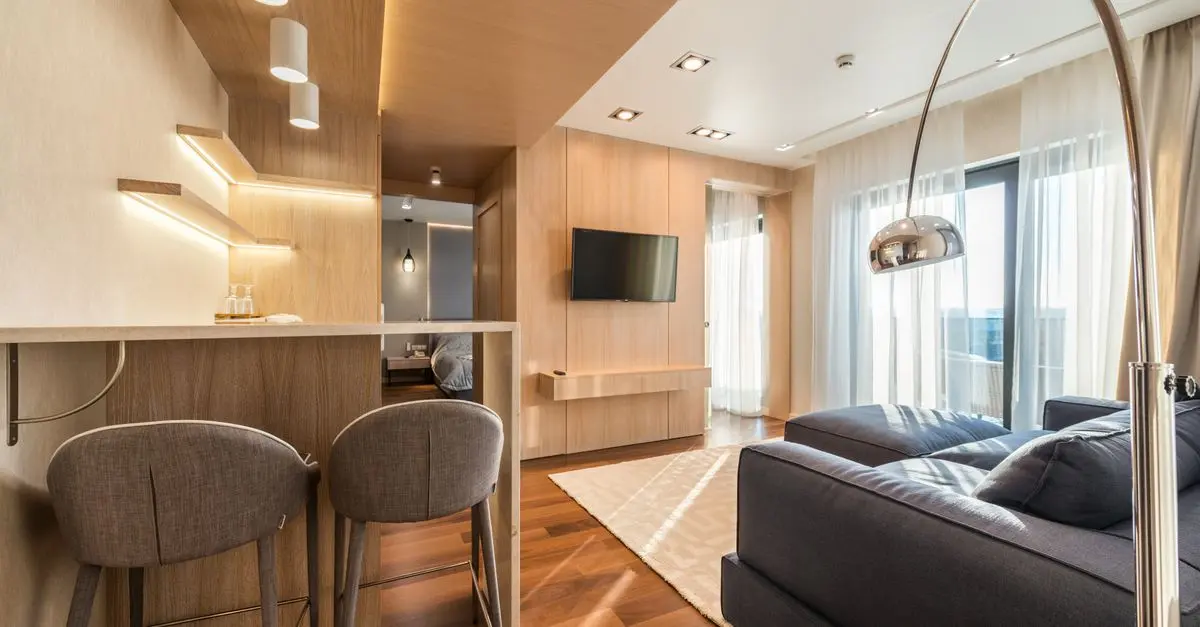
Creating the illusion of space often comes down to layering different light sources. Integrate ambient, task, and accent lighting to give depth and dimension to your rooms. Ambient lighting serves as the main source, task lighting assists with practical activities, and accent lighting highlights design features. A study by l'ADEME indicates that homes incorporating layered lighting experience enhanced ambiance and visual comfort. Aim to position your lights at different heights and directions to avoid harsh shadows.
Utilise Natural Light
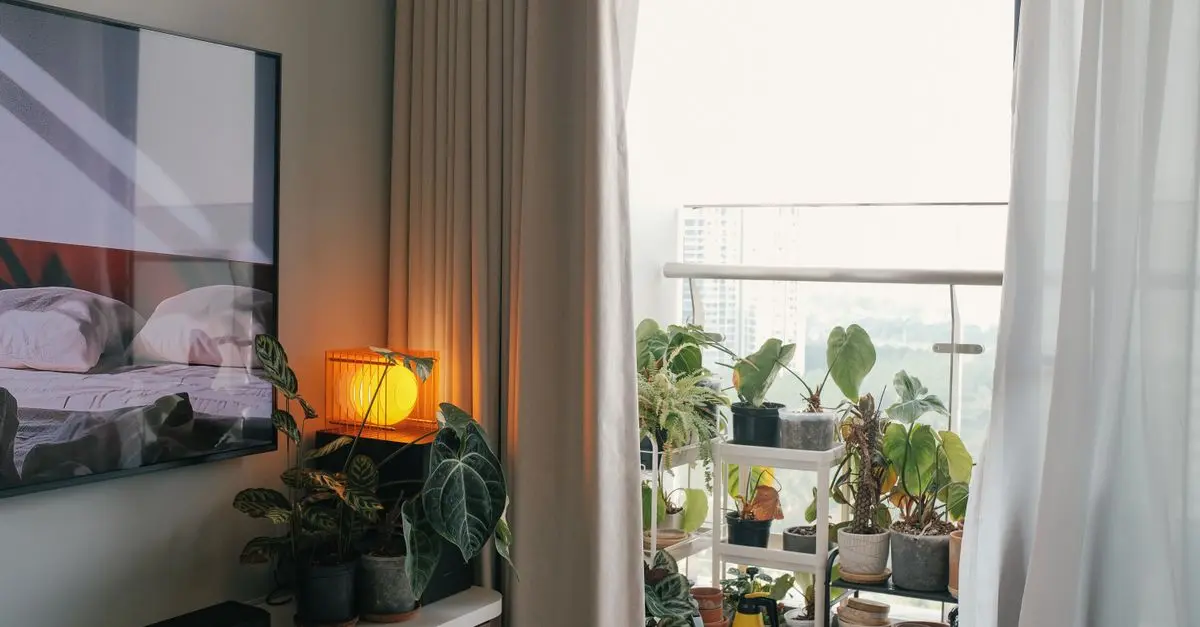
Leverage natural light as much as possible. Windows are a vital source of illumination that can greatly impact how spacious a room feels. Arranging furniture to allow sunlight to flow freely can emphasise openness. If privacy or sunlight is a concern, consider sheer curtains that diffuse light while maintaining privacy. According to ADEME, maximising natural light can reduce energy costs and create healthier living environments.
Mirror Illusions
Mirrors are an excellent tool for reflecting light and creating the illusion of space. Placing a mirror opposite a window can double the amount of sunlight in a room. Be strategic with mirror placement to reflect the room's best features. According to UFC-Que Choisir, adding mirrors can enhance perceived space without structural changes.
Choosing the Right Fixtures
Select lighting fixtures that complement both the functionality and aesthetic of your room. Fixtures that hang from ceilings draw the eye upwards, creating the perception of height. Wall-mounted fixtures can save floor space in smaller rooms. Consider adjustable fixtures for versatility. Fixtures with wide beams can help cover more area, making them ideal for creating an open feel.
Smart Lighting Solutions
The advent of smart home technology offers opportunities to enhance room space creatively. Smart bulbs that change colour temperature or brightness can adapt to different times of day and activities. Philips Hue and LIFX are brands known for offering versatile smart lighting options. According to Les Numériques, homes using smart lighting solutions experience improved energy efficiency and customised lighting atmospheres.
📺 Resource Video
> 📺 For more details: How Lighting Impacts Room Space.
> Search on YouTube: "enhance room space with lighting tips".
Checklist Before You Begin
- [ ] Evaluate existing lighting
- [ ] Identify areas needing light
- [ ] Plan layered lighting setup
- [ ] Maximise natural light usage
- [ ] Consider mirror placement
- [ ] Choose suitable fixtures
- [ ] Look into smart lighting options
🧠 Quiz rapide
> 🧠 Quiz rapide : How does layering lighting affect room perception?
> - A) Reduces shadows
> - B) Increases space perception
> - C) Enhances focus
> Réponse : B — Layering lighting adds depth, enhancing space perception.
Glossary
| Terme | Définition |
|---|---|
| Ambient Lighting | Main source of light providing overall illumination. |
| Task Lighting | Lighting that assists in specific tasks like reading or cooking. |
| Accent Lighting | Focus lighting to highlight features or décor. |
Achieving a sense of space involves thoughtful lighting design. By employing these strategies and tips, you can transform your home into a welcoming and open sanctuary. Embrace natural light, select the right fixtures, and leverage new technologies to make the most of your environment.
Call to Action
Explore further articles on lighting design at Lighting Guide and enhance your home's space with expert insights.