Contents (17 sections)
Designing a lighting plan for new builds is crucial for creating a balanced and inviting space. A well-thought-out plan not only enhances aesthetics but also improves functionality and energy efficiency. Whether you're building a cosy cottage or a modern flat, the right lighting can make all the difference.
1. Understanding the Basics of Lighting
Before diving into specifics, understanding the foundations of lighting is essential. Lighting types such as ambient, task, and accent serve different purposes. Ambient lighting provides general illumination, task lighting focuses on specific areas, and accent lighting highlights architectural features. Integrating these types ensures a layered and functional lighting scheme.
When planning, consider aspects like natural light availability. Maximising natural light reduces energy consumption and enhances wellbeing. According to ADEME, proper utilisation of daylight can reduce lighting costs by 20%.
2. Assessing Your Needs and Preferences
Every new build is unique; thus, understanding your specific needs is vital. Begin by evaluating room functions. Kitchens require bright, task-oriented lighting, whereas bedrooms benefit from softer, ambient light. Additionally, consider personal preferences. Some might favour warmer lights for a cosy atmosphere, while others might opt for cooler tones for clarity.
Common Pitfalls
Avoid underestimating the number of light sources required. An inadequately lit room can feel cramped. UFC-Que Choisir advises ensuring an even distribution of light to avoid shadows and dark spots.
3. Choosing the Right Fixtures
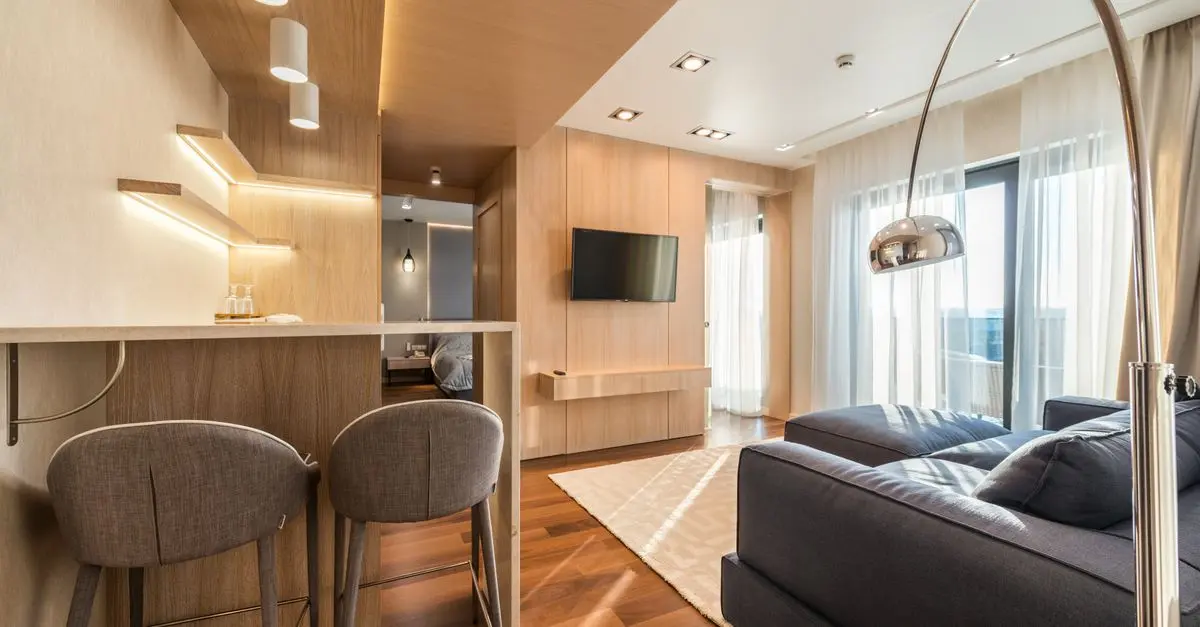
Selecting suitable fixtures plays a crucial role in the design. Consider the style of your build—modern, traditional, or eclectic—and choose fixtures that complement it. Recessed lighting is popular for modern homes due to its sleek look, whereas chandeliers add elegance to classic interiors.
Factors to Consider
Functionality should never be compromised for style. Ensure fixtures are proportionate to room size and ceiling height. For instance, small pendants may get lost in large spaces.
4. Incorporating Energy Efficiency
Energy-efficient lighting not only saves money but also benefits the environment. Opt for LEDs or compact fluorescent bulbs, which consume less energy and have longer lifespans compared to traditional bulbs. According to 60 Millions de Consommateurs, LED lights can last up to 25 times longer than incandescent bulbs.
5. Designing a Layered Lighting Plan
A successful lighting plan incorporates layers. Start with ambient lighting, such as ceiling fixtures or track lights. Then, add task lighting in areas like the kitchen worktops or bathroom mirrors. Finally, introduce accent lighting to highlight artwork or architectural features.
Pro Tip
> 💡 Expert Advice: According to lighting designers, combining multiple types of lighting creates depth and sophistication.
6. Installing Smart Lighting Solutions
Smart lighting offers convenience and efficiency. Systems like Philips Hue allow control via smartphones or voice assistants, enabling adjustments of brightness and colour temperature based on mood or time of day.
Integration Tips
Ensure compatibility with existing smart home systems for seamless operation.
📺 Ressource Vidéo
> 📺 Pour aller plus loin : Lighting Design Tips for New Homes, a comprehensive guide to modern strategies. Recherchez sur YouTube : "lighting plan new builds tips".
7. Finalising Your Plan and Implementation
Once your plan is complete, implementation is the final step. Work closely with electricians to ensure proper installation. Conduct a walkthrough post-installation to adjust lighting levels and fixture placement.
Checklist Before Installing
- [ ] Determine lighting types needed for each room
- [ ] Ensure fixture style matches decor
- [ ] Verify energy-efficient options
- [ ] Plan for smart lighting integration
- [ ] Conduct final walkthrough
Glossary
| Term | Definition |
|---|---|
| Ambient Lighting | General illumination providing a base level of light. |
| Task Lighting | Focused lighting for specific tasks, like reading. |
| Accent Lighting | Highlights architectural or design features. |
Conclusion
Crafting a well-designed lighting plan for new builds is an artful blend of style, functionality, and sustainability. By following these steps, you can ensure your home is both aesthetically pleasing and efficient.
Frequently Asked Questions
- What is the first step in designing a lighting plan for a new build?
Assessing the needs and preferences for different rooms helps guide the entire planning process.
- How can I make sure my lighting plan is energy-efficient?
Opt for LED bulbs and incorporate natural light as recommended by organisations like ADEME.
- What are smart lighting solutions?
Smart lighting allows you to control your lights remotely, often through an app or voice control.
- Why is layered lighting important?
It creates a balanced environment, enhancing both functionality and aesthetic appeal.