Contents (12 sections)
In recent years, eco-friendly lighting has become a crucial aspect of sustainable living. As we strive to reduce our carbon footprint, lighting solutions that conserve energy and reduce waste have grown in popularity. These choices not only benefit the environment but also enhance the quality of our living spaces. Let’s explore the top sustainable lighting options available today.
1. LED Bulbs: A Bright Choice
LED bulbs are among the most popular eco-friendly lighting options. They use about 75% less energy compared to incandescent lighting. Not only do they conserve energy, but they also last several times longer, reducing waste and the frequency of replacements. As per Philips, LEDs emit less heat and are safer and more durable than traditional bulbs. They are available in a range of brightness and tones, offering versatility for all types of applications.
2. Solar-Powered Lights: Harnessing the Sun
Solar-powered lights utilise natural sunlight, making them incredibly sustainable. They charge during the day and illuminate outdoor spaces at night. Brands like Ring and Energizer offer reliable solar lighting solutions. These lights are perfect for gardens, pathways, and even camping trips. Installation is straightforward and does not require any wiring, making them an easily accessible option for eco-conscious homeowners.
3. Smart Lighting Systems: Intelligent Efficiency
Smart lighting systems allow users to control their lighting via smartphone apps or voice assistants like Amazon Alexa. This intelligent control helps optimise energy usage by allowing lights to be turned off remotely or set to timers. Smart bulbs, such as those from Philips Hue, can even change colour to suit the mood or activities, increasing both energy efficiency and usability.
4. CFL Bulbs: A Cost-Effective Alternative
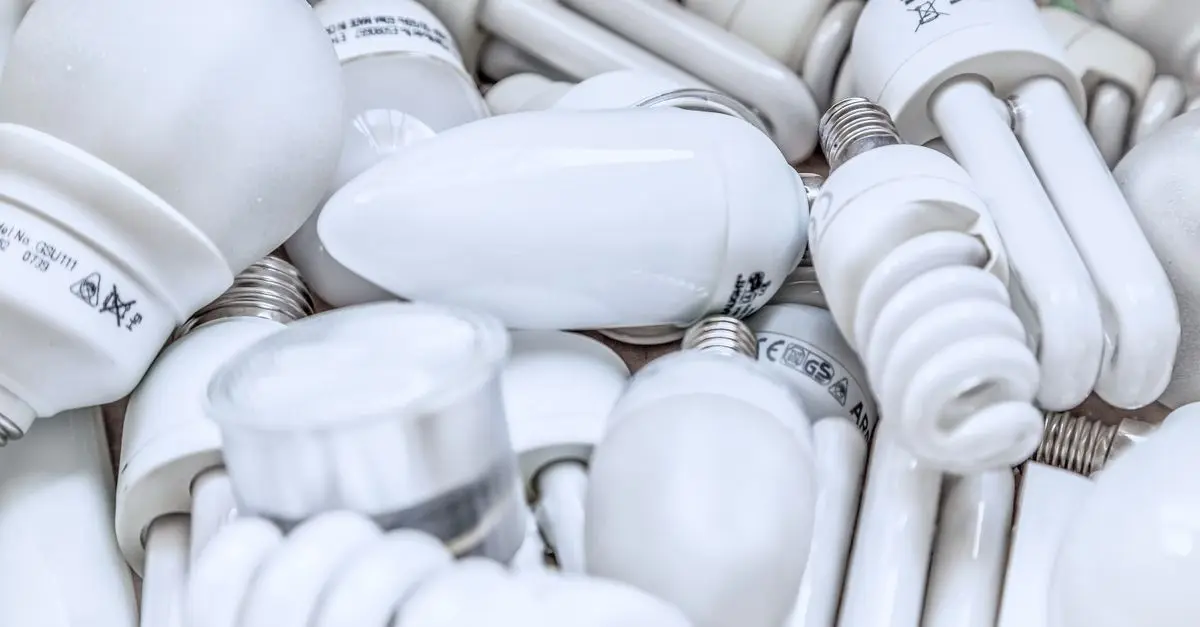
While not as energy-efficient as LEDs, CFLs (Compact Fluorescent Lamps) are a more sustainable choice than traditional bulbs. They use about 25% to 35% less energy and can last up to ten times longer. The initial cost may be higher than incandescent bulbs, but the energy savings over time make them a worthwhile investment. Ensure proper disposal due to their mercury content.
5. Dimmer Switches: Customising Consumption
Dimmer switches allow you to adjust the brightness of your lighting, which can significantly reduce energy consumption. Brands like Lutron offer dimmer switch systems that are compatible with LED and CFL bulbs. By reducing the light output, dimmer switches extend the life of your bulbs and cut down on electricity use, providing both environmental and economic benefits.
📺 Ressource Vidéo
📺 Pour aller plus loin : [Guide to Installing Smart Lighting Systems], explore modern home automation. Recherchez sur YouTube : "smart lighting installation tutorial".
6. Recycled Lighting Fixtures: Upcycling at Its Best
Choosing recycled or upcycled lighting fixtures helps reduce the demand for new resources and minimises waste. Designers often use materials like reclaimed wood, glass, and metal to create unique, environmentally-friendly pieces. This type of lighting adds a distinctive touch to any space while supporting sustainable practices.
7. Off-Grid Lighting: Independence from the Grid
Off-grid lighting systems can be beneficial for areas prone to power outages or for those looking to reduce dependency on traditional energy sources. Systems like those from Goal Zero offer solar-powered lighting that is efficient and sustainable. This lighting option is especially useful for outdoor enthusiasts and those in rural settings.
8. Daylighting: Embracing Natural Light
Maximising natural light in your home is the ultimate form of eco-friendly lighting. Techniques such as using skylights, strategically placed windows, and glass doors can significantly reduce the need for artificial lighting. Not only does daylighting conserve energy, but it also enhances mental health by increasing exposure to natural light.
Checklist Avant Achat
- [ ] Analyse the energy efficiency of each light option
- [ ] Compare the lifespan of different lighting technologies
- [ ] Investigate smart lighting compatibility with your home system
- [ ] Consider renewable energy sources, such as solar
- [ ] Explore recycled and upcycled lighting fixtures
Glossaire
| Terme | Définition |
|---|---|
| LED | Light Emitting Diode, a highly efficient lighting technology. |
| CFL | Compact Fluorescent Lamp, uses less energy than traditional bulbs. |
| Daylighting | The practice of using natural light to illuminate indoor spaces. |