Contents (14 sections)
Choosing the perfect lighting fixtures is a crucial part of designing any space. Proper lighting not only enhances the aesthetic appeal of a room but also plays a significant role in practical functionality. This guide aims to provide a comprehensive overview of how one can select the right lighting fixtures for their home.
1. Understand Your Space
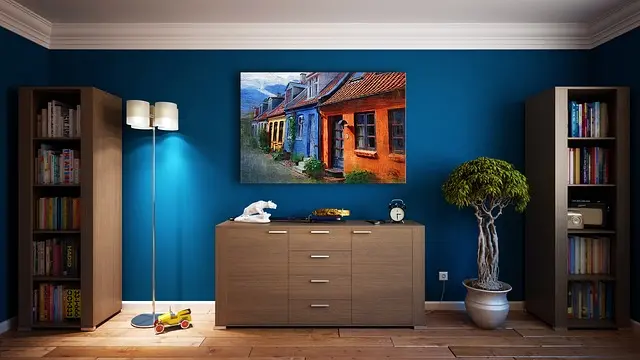
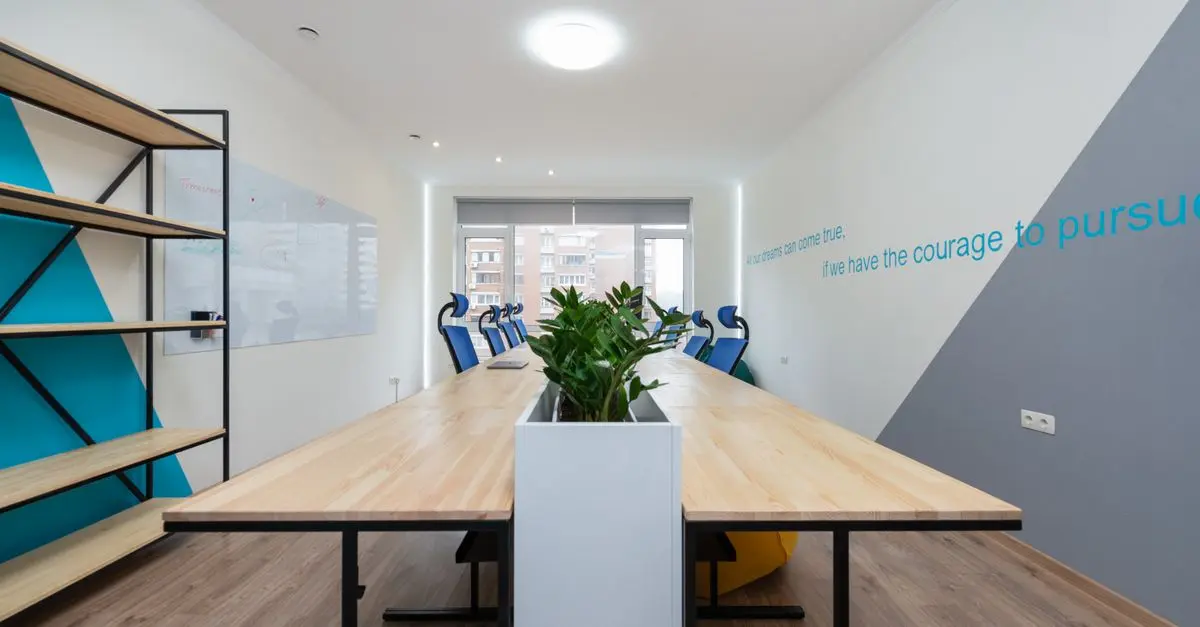
Before you even begin to browse for fixtures, it’s essential to understand the unique attributes of the space you wish to illuminate. Consider factors like the room’s size, ceiling height, and the existing architectural features. For example, a large open plan area might benefit from pendant lights to draw the eye upwards and create a focal point. On the other hand, smaller spaces may require recessed lighting to avoid overwhelming the area. According to the latest design insights, choosing lighting that complements the proportions of a room is vital for a harmonious look.
2. Determine the Purpose of the Lighting
Each room serves different purposes and thus requires specific types of lighting. Ambient lighting provides overall illumination, while task lighting focuses on certain areas where activities like reading or cooking take place. Accent lighting, meanwhile, is used to highlight artwork or architectural features. Assess the needs of each room: for instance, kitchens often need task lighting for preparation areas, while living spaces might benefit from a mix of ambient and accent lighting to create a warming atmosphere. Effectively differentiating these lighting types can drastically enhance usability and comfort.
3. Consider Different Light Bulb Types
The choice of light bulbs significantly affects both the look and energy efficiency of your fixtures. There are various types available—incandescent, compact fluorescent (CFL), and LED. LEDs, for instance, are favoured for their longevity and energy efficiency, with a lifespan of up to 25,000 hours compared to the 1,200 hours of incandescent bulbs. Additionally, consider the color temperature of light; warmer tones (around 2700K) are perfect for creating a cozy ambiance, while cooler tones (4000K and above) are great for a more focused light. The transition towards LED has not only become a trend but also a contributing factor in reducing energy bills for homeowners.
4. Match the Style
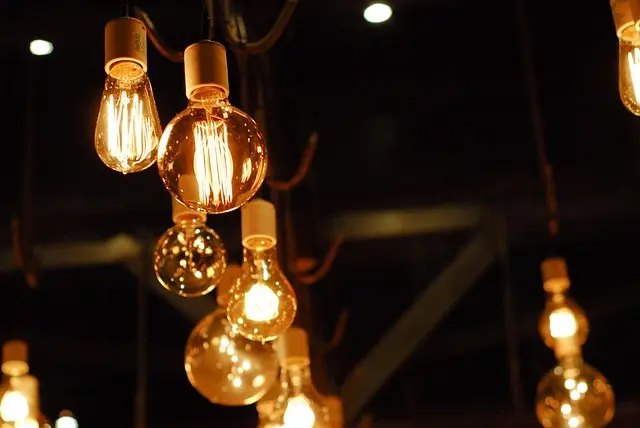
Lighting fixtures come in various styles, from modern and minimalist to vintage and ornate. It's important to select fixtures that match the overall style of your home. For instance, industrial-style pendants may look striking in a loft-style apartment, while ornate chandeliers could complement a more traditional setting. According to design principles, consistency in style contributes to a visually cohesive space. A unified design prevents the decorations from appearing disjointed and allows the lighting fixtures to enhance the overall interior design.
5. Use a Layered Lighting Approach
When planning your lighting, think in layers. A combination of ambient, task, and accent lighting adds depth to your spaces. For example, in a living room, you might utilise ceiling fixtures for general light, table lamps for reading, and sconces to accentuate artwork. This layered approach ensures flexibility in creating various atmospheres suited for different activities. According to interior design experts, the best-lit rooms are often those that offer a blend of light sources, allowing homeowners to adapt to their needs effortlessly.
6. Energy Efficiency and Sustainability
With greater awareness of energy consumption, choosing energy-efficient lighting fixtures has become increasingly important. Understand the energy ratings of fixtures and bulbs—LEDs consume significantly less power than incandescent or halogen options. According to the ADEME, switching to energy-efficient lighting can reduce energy consumption by up to 80%. When selecting fixtures, look for those that are ENERGY STAR certified, which guarantees higher efficiency and lower usage costs.
7. Installation Considerations
During the selection process, consider how easy or difficult it may be to install your chosen lighting fixtures. Some may require professional installation, particularly those that are hardwired or require special mounting. Opting for fixtures with simple installation instructions can save you time and additional costs. In addition, considering adjustable fixtures can offer versatility for future arrangements. If you're not a DIY enthusiast, hiring a professional electrician can significantly alleviate any installation concerns.
8. Budgeting for Your Fixtures
The final consideration should be your budget. Lighting fixtures can range significantly in price, so it’s essential to have a clear idea of how much you're willing to spend before shopping. Consider the cost not only of the fixtures themselves but also installation fees, maintenance, and the type of bulbs they require. Do thorough research and compare different products to ensure you’re making a sound investment. According to Les Numériques, investing in high-quality lighting can actually pay off over time through increased energy efficiency and durability.
9. Explore Smart Lighting Options
In today's tech-driven world, smart lighting is increasingly popular. Smart fixtures allow homeowners to control lighting from their smartphones, set schedules, and even sync lights with music and movies. As reported by several tech reviewers, integrating smart lighting can enhance the overall user experience and convenience.
10. Seek Professional Help
If you feel overwhelmed by your selection process, consider consulting with a lighting designer or an interior designer skilled in lighting. These professionals can offer tailored advice based on your home layout, lifestyle, and aesthetic preferences. Investing in expert guidance could provide solutions that you'll love for years to come.
Checklist before Purchase
- [ ] Assess the size and layout of your space.
- [ ] Identify the purpose for each light fixture.
- [ ] Choose energy-efficient bulbs.
- [ ] Match the lighting style with your home’s decor.
- [ ] Consider layer lighting types.
- [ ] Determine installation requirements.
- [ ] Set a budget and stick to it.
- [ ] Explore smart lighting options if desired.
- [ ] Consult a professional designer if overwhelmed.
Glossary
| Terme | Définition |
|---|---|
| Ambient Lighting | General light that fills a room, providing overall illumination. |
| Task Lighting | Focused light for specific tasks like reading or cooking. |
| Accent Lighting | Highlights particular features or objects within a space. |


Living and Home Crystal Column Flush Mount Ceiling Light with Chrome Frame in Silver - Silver - Size: One Size
wallis.co.uk

📺 Ressource Vidéo
> 📺 Pour aller plus loin : *【The Importance of Lighting in Interior Design】, une analyse complète de l'importance de la lumière dans la conception intérieure. Recherchez sur YouTube :
Recommended products
Selected by our experts


Luminosa Lighting Placid 45cm Round Cluster Pendant, 7 Light E14 With 15cm Round Glass Shade, Brass, Smoke Plated & Satin Black
netlighting.co.uk


SpectraBar: 800W LED Colour Blinder and Strobe Bar - Powerful Lighting Effects for Stage & Events
The Glow Company

Helam Lighting Edison Multi Arm Semi Flush Ceiling Light Black 65cm
netlighting.co.uk