Contents (16 sections)
Task lighting is vital in any home, providing focused illumination for activities such as reading, cooking, or working from home. Unlike general lighting that illuminates an entire space, task lighting is specifically designed to help you carry out tasks more effectively. By understanding the nuances of designing effective task lighting, you can significantly improve the functionality and ambiance of your living spaces. In this article, we will cover essential tips to create functional and efficient task lighting in various areas of your home.
1. Understand the Importance of Task Lighting
Task lighting serves several critical functions in a home. It enhances visibility for specific activities, reduces eye strain, and can contribute to the overall aesthetic of a room. According to UFC-Que Choisir, poor lighting can lead to diminished productivity and increase the likelihood of accidents in workplaces and kitchens. By strategically integrating task lighting, you can create a space that supports both functionality and comfort.
2. Identify Areas That Need Task Lighting
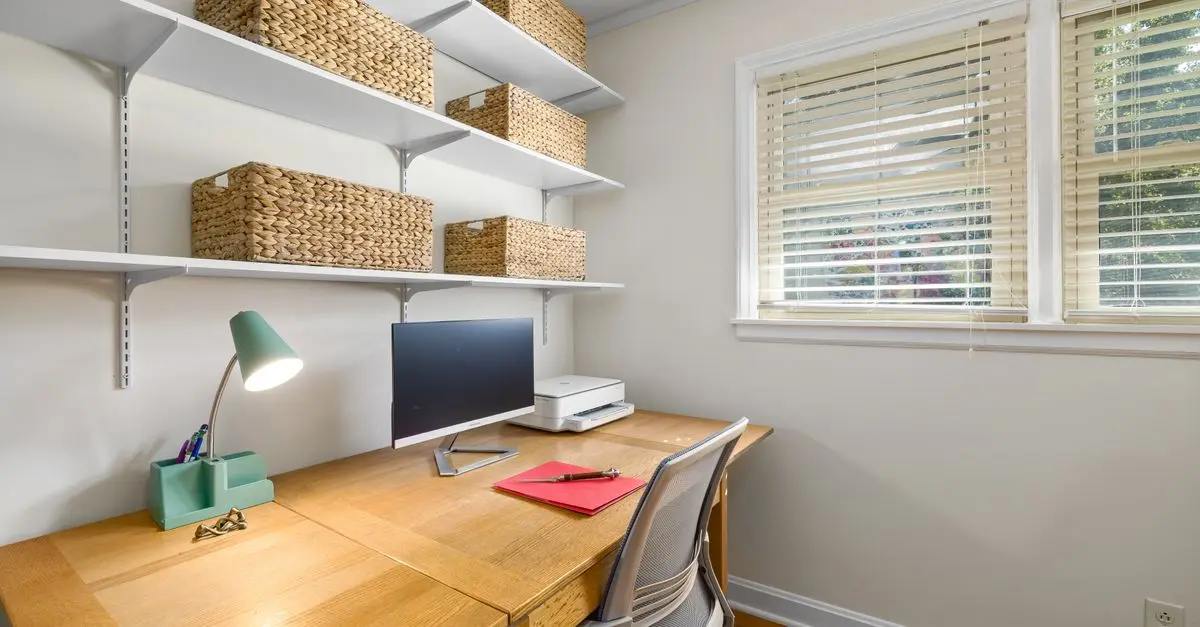
Determining where task lighting is necessary is the first step in the design process. Common areas include kitchens, home offices, reading nooks, and craft rooms. For instance, in a kitchen, task lighting over countertops is crucial for food preparation. In home offices, desk lamps or adjustable lights can help illuminate work areas. By identifying these pivotal areas, you can focus your lighting design effectively.
3. Choose the Right Type of Bulb
The type of bulb you select is instrumental in the effectiveness of your task lighting. LED bulbs are highly recommended due to their energy efficiency and long lifespan. They also produce bright light, which is beneficial for focused tasks. Moreover, consider the colour temperature; higher Kelvin ratings, such as 5000K, mimic daylight and can help improve concentration in workspaces. Alternatively, warmer temperatures, around 2700K, create a cozy ambiance for reading spaces.
4. Layer Your Lighting
Layering involves combining different types of lighting to create a versatile and functional environment. In addition to task lighting, consider incorporating ambient lighting to provide overall illumination and accent lighting to highlight architectural features or artwork. For instance, a pendant light can serve as ambient lighting in a kitchen, while under-cabinet lights can function as task lighting for work surfaces.
5. Focus on Adjustable Options
When designing task lighting, incorporating adjustable fixtures can enhance functionality. For example, a desk lamp that allows you to change the angle of the light can minimize glare and direct the light exactly where it is needed. Similarly, adjustable wall sconces can provide targeted lighting in reading areas or above work surfaces in the kitchen.
6. Consider Dimming Features
Installing dimmer switches offers flexibility in controlling the intensity of the task lighting. This is particularly useful in areas like dining rooms and home offices, where varying light levels can aid in creating the appropriate atmosphere. Research by the INSEE indicates that environments with adjustable lighting contribute to improved mood and productivity.
7. Pay Attention to Positioning
The positioning of your task lighting is equally important. Ensure that light sources are appropriately placed to minimise shadows and provide even illumination. For example, in reading areas, position lamps at eye level, while in the kitchen, ensure under-cabinet lights are placed to illuminate work surfaces without creating shadows from overhead cabinetry.
8. Use Technology to Your Advantage
Smart lighting technology offers advanced options for task lighting control. Using smart bulbs or integrated systems allows you to adjust brightness, colour temperature, and even set schedules. According to Les Numériques, smart lighting can enhance home efficiency significantly and provide users with customisable control for their lighting needs. This technology is ideal for areas like home offices and kids' study spaces, where lighting requirements may shift throughout the day.
9. Evaluate Existing Light Fixtures
Before investing in new task lighting, review your current light fixtures. Sometimes, simply changing the bulbs or adding a lamp can be enough to enhance functionality. For example, replacing standard bulbs with LED options can make a significant difference without the need for new fixtures. Always reassess what you have to determine if upgrades can extend the light's effectiveness.
10. Test Different Options
After selecting your task lighting features, it’s crucial to test various configurations. Consider using temporary fixtures or lamps to assess how different setups impact the space's functionality and mood. By observing how the lighting performs in real-world scenarios, you can make informed decisions about your final choices.
11. Assess Your Space’s Style
Task lighting should complement the overall decor style of your home. Whether your design leans towards modern, rustic, or contemporary, ensure that your lighting fixtures align aesthetically. For instance, a sleek, minimalist lamp works well in modern settings, while vintage-style lights might be better suited to classic interiors. Balancing functionality and style will create a cohesive look in your rooms.
12. Be Mindful of Energy Efficiency
Task lighting should not only be effective but also energy-efficient. Opt for LED fixtures and bulbs that consume less energy while providing adequate illumination. According to ADEME, energy-efficient lighting can reduce energy consumption by up to 80% compared to traditional incandescent bulbs. Choosing energy-efficient products contributes not only to cost savings but also to sustainable living practices.
📺 Ressource Vidéo
📺 Pour aller plus loin : [Understanding Task Lighting: How to Choose the Best Options], a complete guide on effective task lighting solutions. Search on YouTube: choosing task lighting features.
Checklist avant achat
- [ ] Identify areas requiring task lighting
- [ ] Choose the right type of bulb for each space
- [ ] Layer lighting for versatility
- [ ] Incorporate adjustable fixtures where needed
- [ ] Install dimmer switches for flexibility
- [ ] Test different configurations before finalising
- [ ] Ensure lighting aligns with your room's style
- [ ] Consider energy-efficient options
Glossaire
| Terme | Définition |
|---|---|
| Kelvin | Unité de mesure de la température de couleur d'une lumière, indiquant si elle est plus chaude ou plus froide. |
| Dimmable | Description d'un système d'éclairage qui peut ajuster l'intensité de la lumière. |
| Lumens | Mesure de la quantité totale de lumière visible émise par une source lumineuse. |
> 🧠 Quiz rapide : What is the best colour temperature for task lighting?
> - A) 2700K
> - B) 3500K
> - C) 5000K
> Réponse : C — 5000K mimics daylight, improving focus and visibility.
📺 Pour aller plus loin : how to choose effective task lighting for home 2026 sur YouTube