Contents (12 sections)
Introduction: Setting up the perfect home office lighting can make a world of difference in your productivity and well-being. In this guide, we'll walk you through the steps to optimise lighting for a workspace that is both functional and stylish.
Table of Contents
Understanding Home Office Lighting Needs
Before diving into lighting options, it is essential to understand your workspace requirements. Optimal lighting can enhance focus, minimize eye strain, and contribute to a visually pleasing environment. According to several studies, adequate lighting can improve productivity by up to 15%. Therefore, making informed choices about your lighting setup is crucial. Natural light affects mood and alertness; thus, incorporating it into your plan can have positive effects.
Step 1: Assess Natural Lighting
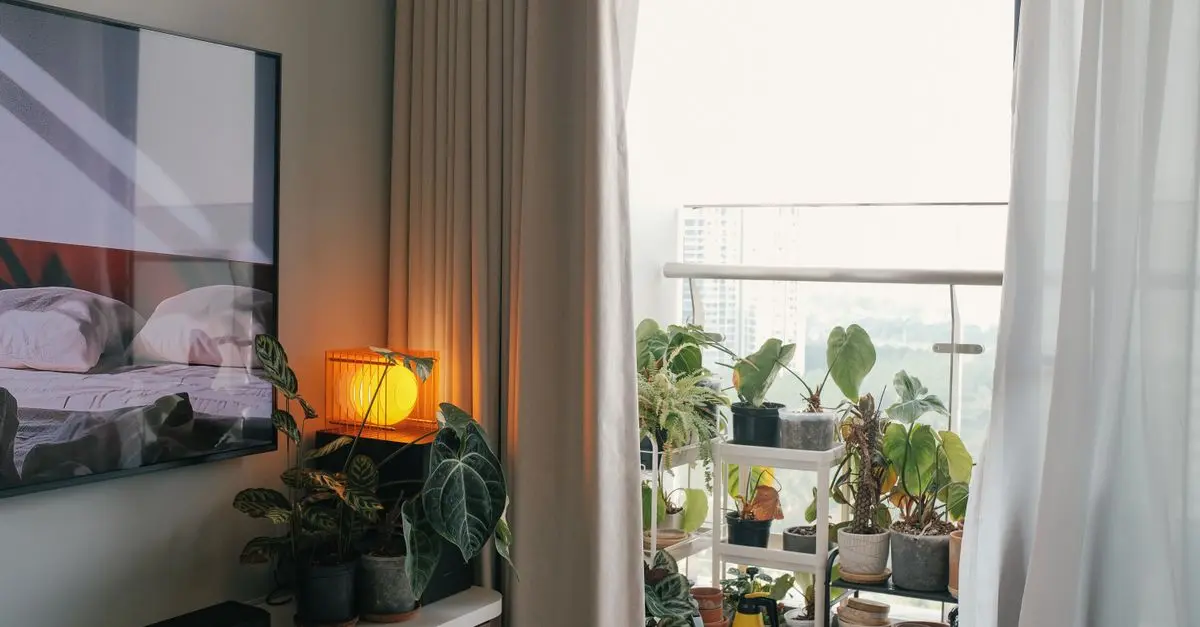
Evaluate how natural light interacts with your workspace. Ideally, your desk should be positioned to maximise daylight without causing glare on your computer screen. Large windows or a skylight can enhance natural lighting. However, be mindful of shadows or direct sunlight, which can cause discomfort. Consider using sheer curtains to diffuse sunlight and achieve balanced lighting throughout the day.
Step 2: Layering Artificial Lighting
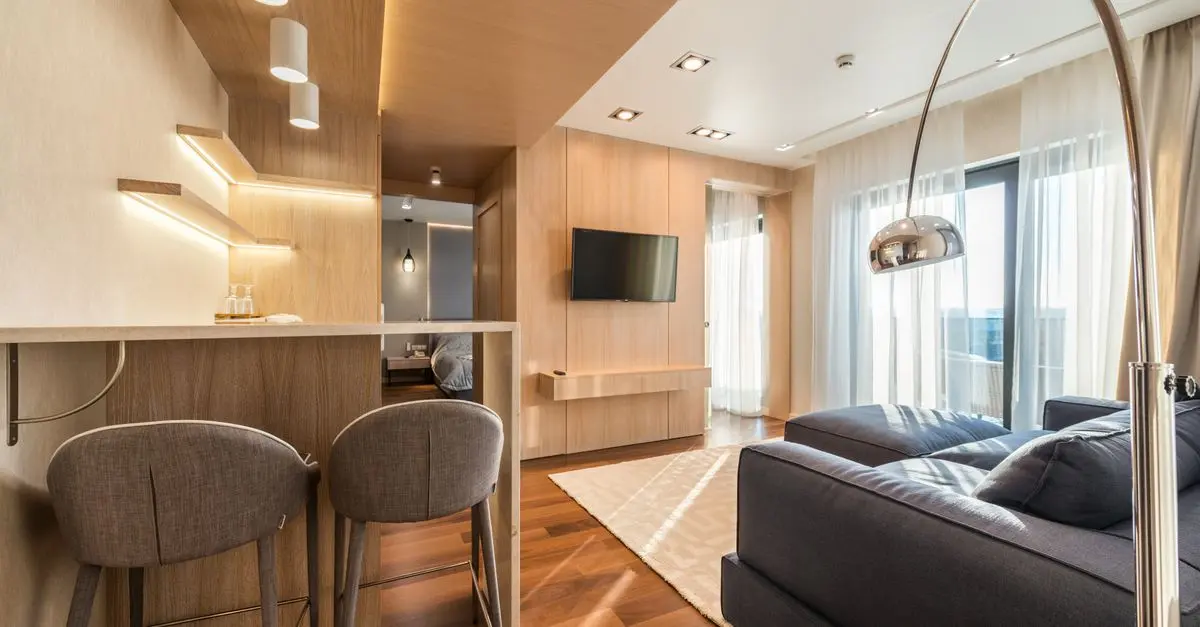
Layered lighting combines ambient, task, and accent lights to achieve a versatile lighting scheme. Ambient lighting, like overhead fixtures, offers general illumination. Task lighting, such as desk lamps, provides focused light necessary for reading or detailed tasks. Accent lighting adds depth and highlights particular areas or objects, making the workspace more inviting.
Step 3: Choosing the Right Bulbs
The choice of bulbs greatly affects the overall quality of light. Opt for LED bulbs as they are energy-efficient and long-lasting. Look for bulbs with a colour temperature between 4,000 and 6,500 Kelvin for optimal brightness and colour rendering. Warm light (2,700-3,000K) can create a comfortable atmosphere for creative work, whereas cooler light is preferable for analytical tasks.
Step 4: Positioning the Lights
Position lighting to reduce shadow and strain on your eyes. Desk lamps should be adjustable and positioned to cast light directly onto your workspace without creating glare. Ceiling lights can be strategically placed to provide uniform light without harsh shadows. Proper placement helps create an evenly lit environment that reduces eye fatigue.
Step 5: Reducing Glare and Eye Strain
Excessive glare and poor lighting can cause eye fatigue and discomfort. Utilise anti-glare screen filters if natural light is unavoidable on screens. Adjust the brightness of lamps to suit the task at hand, ensuring they are neither too dim nor excessively bright. Ergonomic arrangements, including the correct height and angle of lamps, aid in reducing strain.
Comparative Analysis: Lighting Options
| Feature | LED Bulbs | Fluorescent Bulbs | Incandescent Bulbs |
|---|---|---|---|
| Energy Efficiency | High | Moderate | Low |
| Lifespan (hours) | 25,000 | 10,000 | 1,200 |
| Colour Range | Extensive | Limited | Limited |
| Cost | Medium | Low | Low |
- What is the best bulb type for home office lighting?
LED bulbs are recommended due to their energy efficiency and long lifespan.
- How can I reduce glare in my home office?
Use sheer curtains, position screens away from windows, and add anti-glare protection on monitors.
- What colour temperature is ideal for workspaces?
A range between 4,000 and 6,500 Kelvin is ideal for achieving optimal brightness and focus.
- How can I improve lighting during the evening?
Incorporate layered lighting techniques using task, ambient, and accent lights.
Glossary
| Term | Definition |
|---|---|
| Ambient Lighting | General lighting providing overall illumination. |
| Task Lighting | Focused lighting used for specific tasks like reading. |
| Accent Lighting | Decorative lights that add depth and highlight objects. |
💡 Avis d'expert : Proper lighting not only enhances visibility but also plays a critical role in mental and physical well-being, making it a vital aspect of any home office design.
🧠 Quiz rapide : Why is LED lighting preferred for home offices?
- A) They are inexpensive
- B) They provide extensive colour options and efficiency
- C) They are traditional and preferred
Réponse : B — LED lighting offers a broad spectrum of colours while being energy efficient.