Contents (10 sections)
Selecting energy-efficient lighting is crucial for reducing electricity bills and improving your home's sustainability. As 2026 advances, energy conservation remains a top priority for homeowners. Making informed choices regarding your home's lighting can have a substantial impact not only on your finances but also on the environment.
Step 1: Understand Different Types of Energy-Efficient Lighting
Before diving into selections, it is essential to comprehend the various types of energy-efficient lighting available. The most common options include LED, CFL, and halogen light bulbs. According to UFC-Que Choisir, LED bulbs use up to 80% less energy than traditional incandescent bulbs and last significantly longer (up to 25,000 hours). This longevity means less frequency in replacements, translating to further savings.
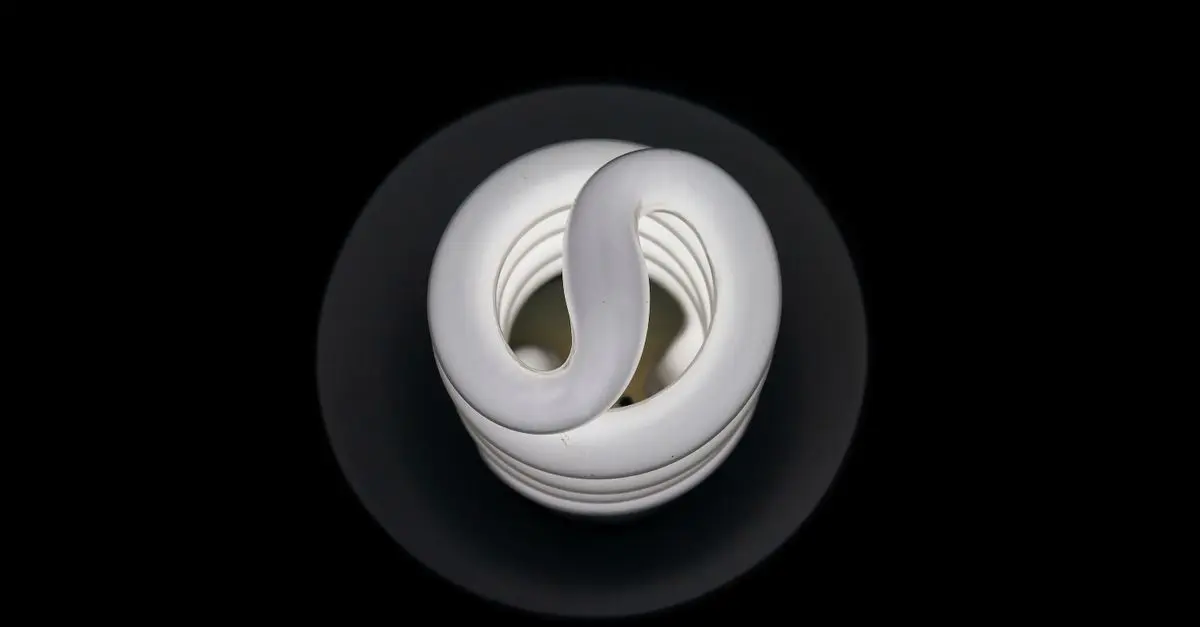
CFL (Compact Fluorescent Lamp) bulbs are also a good option, consuming approximately 75% less energy than incandescent bulbs. While they are slightly less efficient than LEDs, they still significantly cut energy costs. Halogen bulbs are another choice; they are more energy-efficient than standard incandescent but not as advantageous as LEDs or CFLs. Understanding these distinctions allows homeowners to select according to their needs and environmental goals.
Step 2: Assess Your Lighting Needs
Next, evaluate the specific lighting needs of your home. Different rooms serve varied purposes; for instance, task lighting is essential in kitchens and offices for clarity and efficiency, whereas ambient lighting enhances relaxation in living areas and bedrooms. Creating a lighting plan addressing both functionality and mood can lead to a seamless integration of energy-efficient options.
Tips:
- Identify primary tasks performed in each room to determine the type of lighting most beneficial.
- Consider using multiple light sources to enhance the overall effect and functionality.

Battery Powered Soft Warm Glow Raindeer LED Standing Décor Childs Room Home Light - Blue - For Desk, Shelves, Tabl...
Boxed2me

MSI MAG CORELIQUID 360R V2 Liquid CPU Cooler '360mm Radiator 3x 120mm ARGB PWM Fan ARGB lighting Center Supported Compatible with Intel and AMD
Quzo UK

5m 15 Light Easy-Connect Festoon Interconnectable Lighting Black Rubber Cable
Boxed2me
Step 3: Calculate Your Budget
It is vital to set a practical budget for your lighting projects. Energy-efficient bulbs can have a higher upfront cost compared to incandescent options. However, they offer significant savings over time. For instance, replacing 12 incandescent bulbs with LEDs can save a household approximately £150 annually on energy bills, based on average UK rates.
When calculating the budget, include potential savings in energy costs and maintenance. Furthermore, explore any local government incentives or rebates that may be available for switching to energy-efficient options.
Step 4: Explore Smart Lighting Solutions
Incorporating smart lighting solutions into your home can optimise energy usage significantly. Smart bulbs can be programmed to turn off when you leave home or dim according to time of day. For example, settings can vary from bright task lighting during the day to soft warm light in the evening. According to ADEME, smart lighting can save users an additional 10-30% on energy consumption.
When selecting smart lighting, consider compatibility with existing smart home devices. Understanding your overall home automation setup can ensure a smooth integration.
Step 5: Installation and Maintenance
Once you have selected the lighting options for your home, the next step is installation. If you are not comfortable with electrical installations, it may be wise to hire a qualified electrician. They can ensure safety and compliance with local regulations, especially when dealing with high-voltage lighting circuits.
Maintenance Tips:
- Regularly clean light fixtures to ensure optimal brightness.
- Replace bulbs promptly to maintain consistent energy efficiency.
- Monitor energy consumption using home electricity monitors to evaluate the effectiveness of your newly installed lighting.
Comparison of Lighting Types
| Type | Lifespan | Energy Use | Cost Efficiency |
|---|---|---|---|
| LED | Up to 25,000 hours | 80% less than incandescent | Excellent |
| CFL | Up to 10,000 hours | 75% less than incandescent | Good |
| Halogen | Up to 2,000 hours | 30% less than incandescent | Moderate |
Conclusion
Implementing energy-efficient lighting in your home is essential for reducing energy bills and contributing to environmental sustainability. By understanding different lighting types, assessing your needs, calculating costs, and exploring smart options, you can make decisions that provide lasting benefits.


96W 3200-5500K Photo Studio Macro LED Ring Light Camera Video Lamp+Tripod Light stand phone Holder Photographic Lighting
Alibaba UK

Tapo T100 Smart Motion Sensor, Motion Detectors, Wide Range Detection, Instant Alerts, Hands-Free Motion-Activated Lighting, Energy Saving, Hub Requir
Amazon Sellers Programme (UK)
Checklist Before Purchase
- [ ] Identify the lighting needs for each room
- [ ] Assess your budget for initial and ongoing costs
- [ ] Choose the type of energy-efficient lighting
- [ ] Investigate smart lighting options available in your preferred range
- [ ] Plan for professional installation if necessary
Glossary
| Terme | Définition |
|---|---|
| LED | Light Emitting Diode; a type of modern energy-efficient bulb that lasts longer and uses less electricity than traditional bulbs. |
| CFL | Compact Fluorescent Lamp; a spiraled bulb that uses less energy than incandescents and lasts longer. |
| Ambient Lighting | General lighting that provides overall illumination to a space, creating a pleasant environment. |
> 📺 Pour aller plus loin : Learn about energy-efficient lighting options and how to optimise your home's energy use, a comprehensive analysis of [energy-efficient lighting]. Recherchez sur YouTube : "how to choose energy-efficient lighting 2026".
🧠 Quiz rapide : What is the main benefit of using LED lighting?
- A) They are cheaper upfront
- B) They last longer and use less energy
- C) They have a higher brightness
Réponse : B — LED lighting lasts longer and is much more energy-efficient than traditional bulbs.
📺 Pour aller plus loin : how to choose energy-efficient lighting 2026 sur YouTube
Recommended products
Selected by our experts

Solartech Premium Garden Building Solar Lighting & Charging Kit 2 - Suitable for Summerhouses upto 2.5m x 2.5m (8' x 8')
Shedstore

60W LED Driver – IP67 Waterproof 12V/24V DC Power Supply for LED Lighting
simplelighting.co.uk

Keter Lighting Globe Bar Pendant Ceiling Light Black, Gold, 50cm, 2x E27
netlighting.co.uk

INSPIRED LIGHTING Kazz Ceiling 50cm Round, 6 x E27 (Max 20W LED), Gold
netlighting.co.uk

INSPIRED LIGHTING Arcs Wall Lamp, 8W LED, 3000K, 830lm, IP54, Sand White, 3yrs Warranty
netlighting.co.uk

Helam Lighting Edison Multi Arm Semi Flush Ceiling Light Black 65cm
netlighting.co.uk