Contents (11 sections)
Creating the perfect atmosphere in your home can be transformed with the right lighting. Lighting design is not merely a matter of practicality; it significantly influences our mood and overall well-being. In this guide, we will cover essential steps to help you select the best lighting for mood, ensuring a warm and inviting ambience throughout your space.
Understanding the Impact of Lighting on Mood
It's crucial to understand how different lighting can affect emotions and behaviour. Bright, harsh lights tend to stimulate activity and alertness, which is ideal for working spaces. Conversely, soft, warm lights can create a sense of calmness and relaxation, perfect for bedrooms and relaxation areas. According to research from the Lighting Research Center, the colour temperature of light can influence our body’s circadian rhythm, affecting how well we sleep and our overall mood. Understanding this can help you tailor the lighting in various rooms to suit their functions and activities. Hence, when exploring the best lighting for mood, consider not only the intensity and colour but also the purpose of the space. Ambient, task, and accent lighting each serve specific roles that should align with how you wish to feel in each area.
Step 1: Assess the Purpose of Each Space
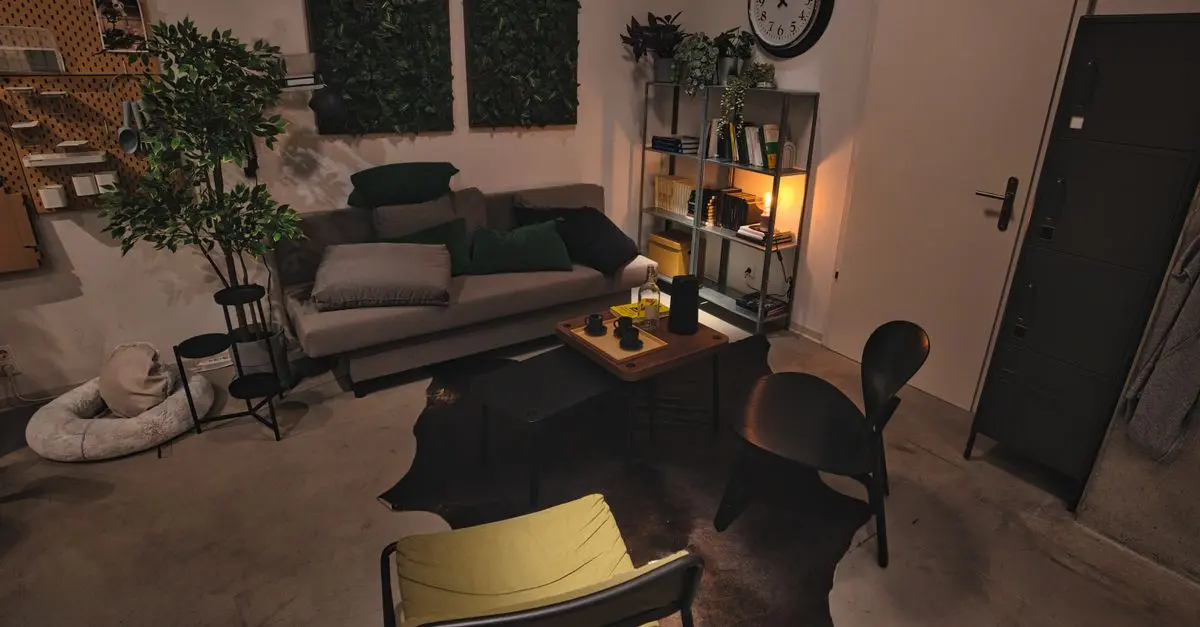
Before choosing lighting, assess the main activities that occur in each room. Is it a space for relaxation, work, or social gatherings? Each purpose may require different lighting strategies. For example, a kitchen requires bright, even lighting for safety and task clarity, while a living room would benefit from adjustable, softer lighting options to create a cozy atmosphere. Take notes on how you use spaces and what moods you want to evoke—this foundational step ensures that your lighting choices support your daily life. A well-lit space can enhance productivity, encourage social interaction, and promote relaxation. Therefore, creating diverse light settings tailored to each room's purpose can significantly enhance the quality of your home environment.


Nedis SmartLife LED Strip | RGB / Warm White | SMD | 2.00 m | IP20 | 2700 K | 380 lm | Android™ / IOS
Boxed2me

Step 2: Choose the Right Light Fixtures
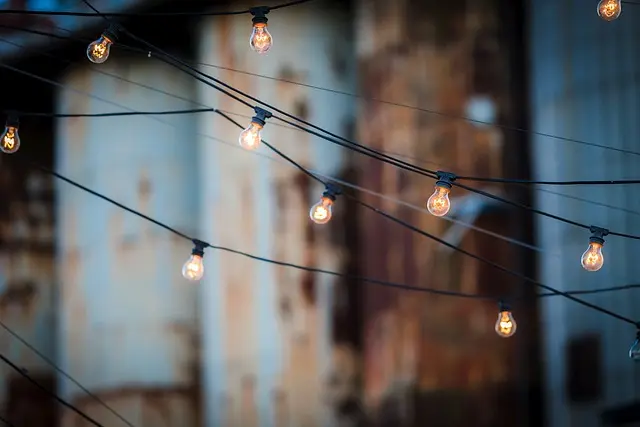
Selecting the right fixtures is crucial in achieving effective lighting. Consider layered lighting—this method employs a combination of ambient, task, and accent lighting to achieve versatility. Pendant lights, floor lamps, and wall sconces can all play a role in crafting your desired atmosphere. Look for fixtures that allow for dimming capabilities or light colour adjustments. Our experiences indicate that homes with adjustable lighting options can transform a room from functional to welcoming in seconds. For instance, a well-placed dimmer switch can make a high-energy space conducive to relaxation simply by adjusting the light level. Consider fixtures with a mix of styles and brightness levels that can serve various moods—from bright and energising to soft and soothing.
Step 3: Experiment with Colour Temperature
Colour temperature, measured in Kelvins (K), plays a critical role in setting the mood. Cool white lights (above 5000K) are energising and ideal for workspaces. In contrast, warm white lights (between 2700K and 3000K) create a relaxing atmosphere more suited for bedrooms and lounges. Testing various colour temperatures can reveal the best choices for your home. For example, recessed lighting with adjustable colour temperature is perfect for living areas that transition from day to night activities. Experts recommend experimenting within your space with different lamps to see firsthand how colour temperature affects your mood and functionality in different settings. Observe how natural light shifts alongside artificial and adapt accordingly for a harmonious feel within your home.
Step 4: Incorporate Smart Lighting Solutions
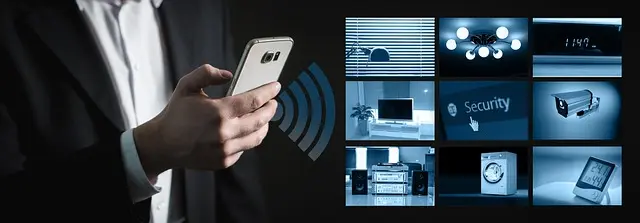
Embracing smart lighting technology can significantly enhance how you interact with your space. Smart bulbs and systems can be adjusted remotely or via voice commands, allowing for effortless mood changes depending on your daily activities. For example, if you’re entertaining guests, configure a warm, inviting setting with dimmed lights. Many smart lighting systems offer programmable settings that can accommodate perennial routines or last-minute changes, allowing you to switch your lighting modes seamlessly. This versatility ensures that your environment is consistently supportive of your personal needs and the mood you wish to cultivate. Consider integration with home automation systems for additional convenience.
Step 5: Create Focal Points with Accent Lighting
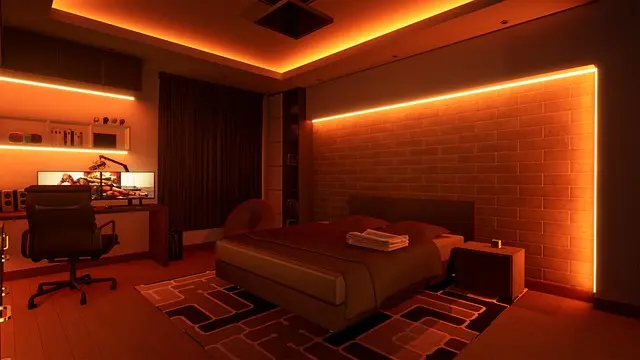
Accent lighting can transform ordinary spaces into extraordinary ones by drawing attention to specific features or decor. Whether it’s highlighting artwork, architectural details, or plants, the right accent lights can create visual interest and depth. Use spotlights, LED strips, or focused table lamps to emphasise areas of interest and create an inviting atmosphere. Determine what elements of your home you wish to enhance and choose lighting that complements them without overpowering the existing decor.
Key Takeaways and Checklist
- Assess the purpose of each room to tailor your lighting.
- Choose fixtures that offer a combination of ambient, task, and accent lighting.
- Experiment with various colour temperatures to find the right mood for each space.
- Incorporate smart lighting solutions for versatility and ease of use.
- Use accent lighting to create interesting focal points.

ASUS ROG Strix SCAR 16 G635LW-RW041W laptop Intel Core Ultra 9 275HX 40.6 cm (16") WQXGA 32 GB DDR5-SDRAM 2 TB SSD NVIDIA GeForce RTX 5080 Wi-Fi
Quzo UK


Checklist before Choosing Your Lighting
- [ ] Define the primary activities in each room.
- [ ] Research and select light fixtures suitable for each space.
- [ ] Experiment with colour temperature options.
- [ ] Consider incorporating smart lighting solutions.
- [ ] Identify key features to highlight with accent lighting.
Glossary
| Terme | Définition |
|---|---|
| Lumens | Unité de mesure de la quantité de lumière émise par une source. |
| Kelvins | Unité de mesure de la température de couleur de la lumière. |
| Dimming | Ajustement de l'intensité lumineuse d'une source lumineuse. |
> 📺 Pour aller plus loin : Lighting for Mood and Ambiance., une analyse complète de l'impact de l'éclairage sur l'atmosphère de votre maison. Recherchez sur YouTube : "choisir l'éclairage pour l'ambiance".
FAQs
- Q: What type of lighting is best for a living room?
A: Warm, dimmable lighting with various layers for flexibility is ideal for creating a welcoming ambiance.
- Q: How can I adjust lighting for different moods?
A: Use smart bulbs and dimmers to easily switch between bright and warm light settings, depending on your activity.
- Q: Should I use natural or artificial lighting?
A: A mix of both is preferable. Maximise natural light during the day and complement it with appropriate artificial lighting when needed.
- Q: How does colour temperature affect mood?
A: Warmer temperatures (2700-3000K) tend to evoke calmness, while cooler temperatures (5000K+) promote alertness and activity.
📺 Pour aller plus loin : choisir l'éclairage pour l'ambiance sur YouTube
Recommended products
Selected by our experts


Viewsonic XG275D1-4K computer monitor 68.6 cm (27") 3840 x 2160 pixels 4K Ultra HD LED Black
Quzo UK