Contents (11 sections)
Lighting plays a fundamental role in shaping the mood and function of any space. One of its most critical aspects is colour temperature lighting, which refers to the warmth or coolness of light, measured in Kelvin (K). Understanding how to select the appropriate colour temperature can significantly enhance your home's ambience and functionality.
1. Understanding Colour Temperature
Before diving into how to choose the perfect colour temperature, it's essential to understand what it is. Colour temperature describes the hue of the light emitted by a light source, which is typically measured in Kelvin (K).
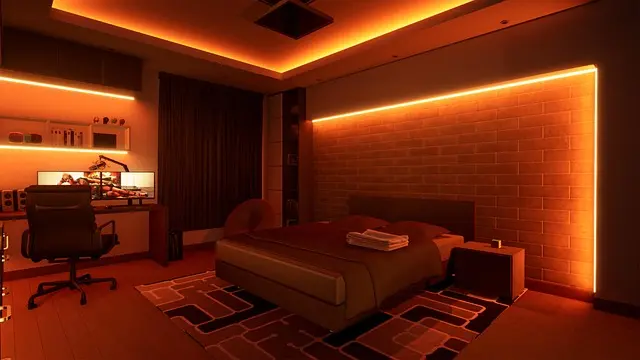
- Warm White (Below 3000K): Creates a cozy, inviting atmosphere often used in homes, restaurants, and cafes.
- Neutral White (3000K - 4000K): It’s versatile for kitchens and bathrooms, providing a balance between warmth and clarity.
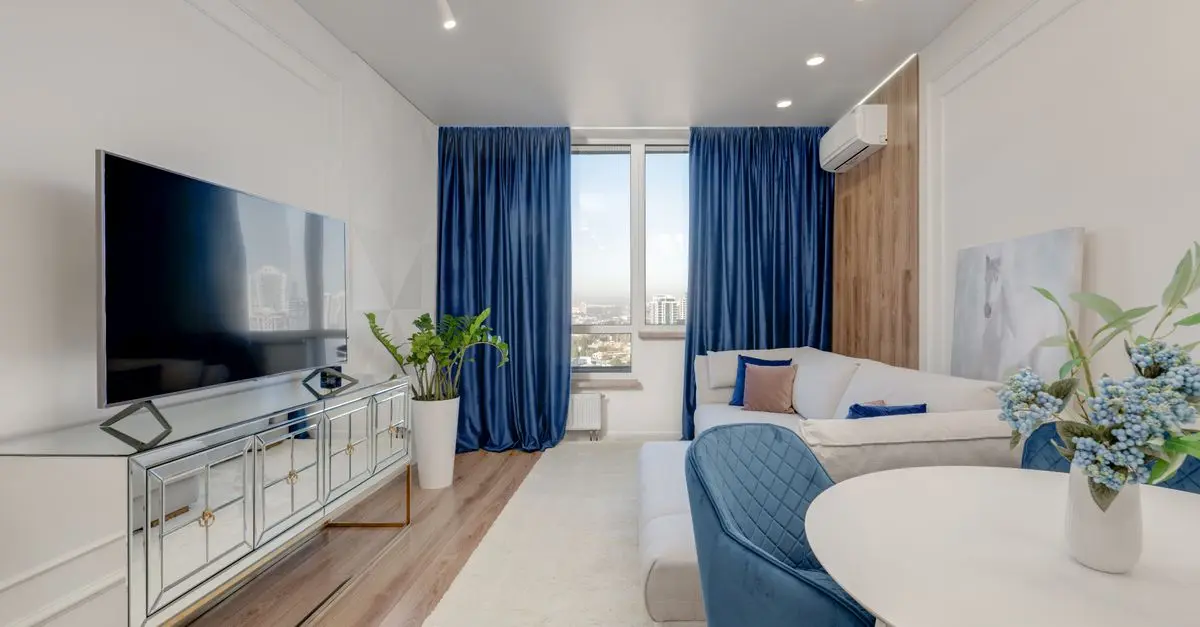
- Cool White (Above 4000K): Ideal for workspaces and offices as it promotes alertness and focus.
Choosing the right colour temperature influences how we perceive colours and our mood in any given space. Research from the National Institute of Health indicates that certain colour temperatures can affect productivity levels and emotions, illustrating the importance of this choice.
2. Assessing Your Space
Once you grasp the basics of colour temperature, it’s time to consider the specific areas you are lighting. Each room has different functions and desired atmospheres:
- Living Rooms: Aim for a warm white light. Here, relaxing and social interactions occur; thus, a temperature under 3000K helps to create a comforting ambiance.
- Kitchens: Neutral white (around 3500K) is preferred as it offers better visibility, helping you efficiently see colours in food preparation.
- Bathrooms: Similar to kitchens, a neutral white light can work effectively during grooming routines, ensuring you have accurate lighting for your reflection.
- Offices: For workspaces, a cool white light (above 4000K) is ideal as it enhances focus and alertness, facilitating productivity.
3. Evaluating Fixtures and Bulbs
When selecting lighting, consider the fixtures and types of bulbs available:
- LED Bulbs: Highly efficient, available in various colour temperatures, and often come with dimmable options to adjust brightness levels based on your needs.
- Incandescent Bulbs: Typically available in warm white lights; their use is declining due to energy consumption.
- Fluorescent Lights: Common in commercial settings, they often provide cooler light, perfect for work environments.
It's essential to check the specifications of bulbs, as many manufacturers now list colour temperature alongside common uses to capture specific moods effectively. Consider a visit to your local lighting store to see how different lights can affect space.
4. Using Dimmers to Adjust Ambiance
Incorporating dimmable lights is an excellent way to enhance flexibility in lighting. Here’s how:
- Mood Lighting: Dimming allows you to transition from task-focused bright lighting to relaxed evening lighting seamlessly. This adaptability is critical in multipurpose areas.
- Layering Light: Combining ambient, task, and accent lights helps to achieve varied looks within the same space. For instance, in the living room, use warm white overhead lights with dimmable options while having cool white lamps for reading.
Remember, dimmers can alter the perceived colour temperature; thus, experimenting might yield the best results for your environment.
5. Testing with Samples
When in doubt, take the time to conduct tests before committing to a colour temperature:
- Purchase Sample Bulbs: Many local stores allow the purchase of individual bulbs. Buy a few different temperatures to try at home.
- Evaluate in Situ: Once you install the bulbs, assess how they look during the day compared to the evening. Lighting changes based on natural light can dramatically affect how colour temperatures are perceived.
Pro Tip: Utilize smartphone apps that simulate different lighting scenarios to visualise potential choices before making any purchases.
6. Common Mistakes to Avoid
Choosing the wrong colour temperature can lead to dissatisfaction. Here are some common pitfalls:
- Ignoring Room Functionality: Always consider what activities will occur in the room when choosing colour temperatures. For example, using warm light in a study area can hinder focus.
- Mismatching with Existing Decor: Light can change the appearance of wall colours and furniture. Always test how the light interacts with your design scheme.
- Overlooking Flexibility: Sometimes, too many specific temperature lights can create inconsistency. Stick to a general theme while allowing small variations for functionality.
7. Checklist for Choosing Colour Temperature Lighting
Here’s a handy checklist to keep in mind:
- [ ] Assess the room's primary function before choosing a light.
- [ ] Determine colour temperature preferences based on mood.
- [ ] Test different bulbs in desired fixtures.
- [ ] Consider dimmable options for flexibility.
- [ ] Evaluate lighting during day and night.
8. Resource Video
> 📺 For further insights: The Importance of Colour Temperature in Lighting, a complete discussion on lighting. Search on YouTube: how to choose the right lighting colour temperature.
Glossary
| Terme | Définition |
|---|---|
| Kelvin (K) | Unité de mesure utilisée pour décrire la couleur de la lumière émise. |
| Dimmable | Capacité d'une ampoule à être atténuée ou intensifiée selon les besoins. |
| Ambient Lighting | Éclairage général d'une pièce, fournissant une illumination de base. |
Frequently Asked Questions
- What is colour temperature lighting?
Colour temperature lighting describes the warmth or coolness of light, measured in Kelvin.
- How do I choose the right colour temperature for my home?
Consider the function of each room and choose warm lights for relaxation and cooler ones for workspaces.
- Are LED lights available in different colour temperatures?
Yes, LED bulbs come in various colour temperatures, making them suitable for diverse lighting needs.
- Should I use dimmable lights in every room?
While not necessary, dimmable lights provide flexibility in ambiance, making them ideal for multipurpose spaces.
📺 Pour aller plus loin : how to choose the right lighting colour temperature sur YouTube