Contents (10 sections)
Choosing the right light bulb can significantly enhance the comfort and functionality of any space in your home. Different rooms have different needs, whether it’s about setting a soothing atmosphere in the bedroom or providing bright, focused light in the kitchen or workspace. However, understanding the various types of bulbs and their respective characteristics is essential for making informed choices. Here, we’ll explore essential tips and guidelines on how to select the right light bulb for every room.
1. Understand the Different Types of Light Bulbs
Light bulbs come in various types, each serving unique purposes. Understanding these differences is the first step in choosing the right bulb.
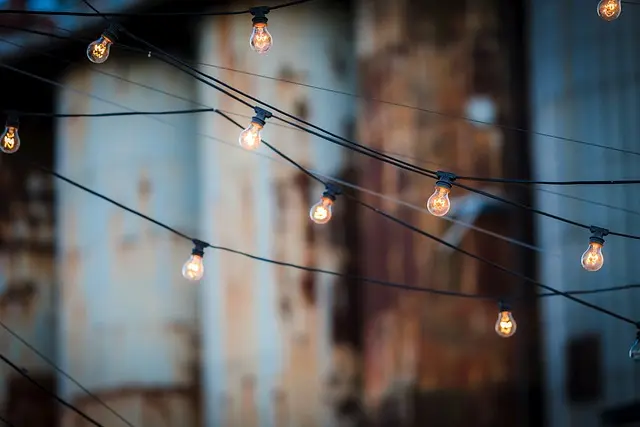
- Incandescent Bulbs: Often found in homes, these bulbs produce a warm, inviting light. They are dimmable and often used in living rooms and bedrooms. However, they are not energy-efficient and have a shorter lifespan.
- LED Bulbs: These are highly efficient, lasting up to 25 times longer than incandescent bulbs while consuming a fraction of the energy. They are available in a wide range of colours and intensities, making them suitable for almost any room in your home.
- CFL Bulbs: Compact fluorescent lamps are a more efficient alternative to incandescent bulbs but may take time to reach full brightness. They are commonly used in kitchens and bathrooms.
- Halogen Bulbs: A type of incandescent, halogen bulbs are more efficient and last longer. They provide excellent colour rendering, making them a good choice for task lighting areas like kitchens or workspaces.
When choosing bulbs, consider factors such as the light colour (warm or cool), brightness measured in lumens, and the type of socket required.
2. Identify Each Room’s Purpose
The purpose of each room largely dictates the type of bulb you should choose. Here’s a breakdown by room type:
- Living Room: Often requires a soft, warm light to create a welcoming atmosphere. LED bulbs or soft white incandescent bulbs work well here. Consider using dimmable options for versatility.
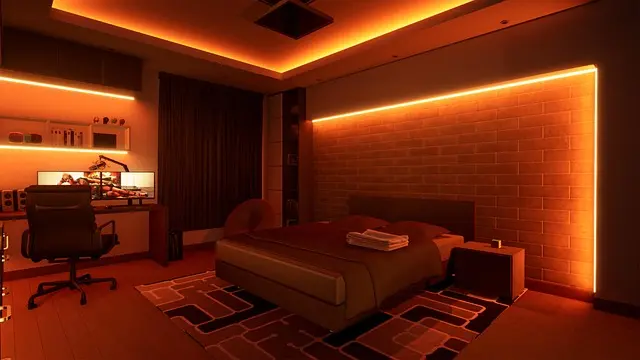
- Bedroom: This room benefits from warm, soft lighting to promote relaxation. Use ambient lighting such as LED table lamps or warm white bulbs to give a soothing feel.
- Kitchen: Bright, focused light is key in kitchens. Opt for LED or halogen bulbs, as they provide clear visibility for food preparation. Consider under-cabinet lighting for an added effect.
- Bathroom: It's crucial to have well-lit spaces for performing grooming tasks. Use cooler colour temperatures that imitate daylight to effectively illuminate the area. A combination of LED overhead lights and focused task lighting near mirrors will enhance visibility.
- Home Office: Here, bright white light that mimics daylight can help reduce eye strain during long working hours. Look for LED bulbs that offer high lumens ratings for clarity and focus.
3. Choose the Right Brightness and Colour Temperature
Brightness is essential; too little light can strain your eyes while too much can feel harsh. Measure brightness in lumens: the higher the lumens, the brighter the light.
Colour temperature is measured in Kelvins (K), affecting the ambience:
- Warm white (2700K-3000K): Ideal for living rooms, bedrooms, and dining areas, providing a relaxed atmosphere.
- Cool white (4000K-5000K): Suitable for kitchens and bathrooms, as it mimics daylight and offers clarity.
- Daylight (5000K-6500K): Best for task-oriented spaces such as home offices where one needs alertness and focus.
For example, if you're setting up a reading nook, a warm white bulb can create the right relaxing environment. In contrast, for crafting or close work, a cool white bulb enhances visibility.
4. Compare LED vs. CFL vs. Incandescent
To make the best choice, compare the pros and cons of each bulb type:
| Criteria | LED | CFL | Incandescent |
|---|---|---|---|
| Lifespan | Up to 25,000 hours | 7,000-15,000 hours | 1,000 hours |
| Efficiency | 80-90% less energy usage | 70% less energy usage | Most energy-consuming |
| Light Quality | Instant light, dimmable | Delayed start, not dimmable | Warm, soft light |
| Cost | Higher upfront cost | Moderate upfront cost | Lower upfront cost |
| Colour Range | Wide variety | Limited options | Warm tones only |
5. Energy Efficiency and Environment
Energy efficiency is not just about saving on electricity bills; it's also about reducing your carbon footprint. LED bulbs are the top choice in energy-efficient lighting, often consuming up to 80-90% less energy than incandescent bulbs. For instance, switching just five bulbs in your home can save over £100 per year on energy costs. “D’après les données de l'ADEME, using efficient lighting can significantly reduce greenhouse gas emissions.”
Moreover, many local governments offer incentives for upgrading to energy-efficient lighting, providing a double benefit. Consider the sustainability impact of your choices—LED bulbs are recyclable, while traditional incandescent bulbs are not.
6. Installation and Maintenance
Once you've chosen the right bulbs, proper installation and maintenance are essential. Always ensure you're following safety protocols when dealing with electrical fixtures. Here are some tips:
- Install the Right Way: Make sure the power is off before you change any bulbs. If you’re installing a new fixture, follow the manufacturer’s instructions to the letter.
- Regular Maintenance: Dust your bulbs and fixtures regularly; a clean bulb operates more efficiently. Replace any burnt-out bulbs immediately to maintain consistency in lighting.
Conclusion
Choosing the right light bulb for each room can dramatically enhance your home’s ambiance and functionality. By understanding the different types of bulbs, their purposes, and how they align with your room’s needs, you create a comfortable and inviting space. Remember to consider energy efficiency and sustainability in your choices.
Checklist before you buy:
- [ ] Decide on the purpose of the room.
- [ ] Choose the right bulb type (LED, CFL, Incandescent).
- [ ] Check the lumens for brightness.
- [ ] Determine the ideal colour temperature.
- [ ] Review energy efficiency ratings.
Glossary
| Term | Definition |
|---|---|
| Lumens | A measure of the total amount of visible light emitted by a source. |
| Kelvin (K) | A unit of measure for colour temperature, indicating the light's warmth or coolness. |
| Energy Efficiency| A measure of how much energy is used for the light produced, usually noted in percentage savings.
🧠 Quiz rapide : What type of bulb is best for creating a warm atmosphere?
- A) LED
- B) Incandescent
- C) CFL
Réponse : B — Incandescent bulbs provide a warm light ideal for cosy environments.
📺 Pour aller plus loin : How to choose the best light bulbs for your home, explore various bulb types and their benefits. Search on YouTube:
choosing light bulbs for home lighting.
Discover our recommendations below to find the perfect bulbs for your home:
📺 Pour aller plus loin : how to choose the best light bulbs for home sur YouTube
Recommended products
Selected by our experts

Nedis SmartLife Mood Light | Wi-Fi | Tube | 600 lm | RGBIC / Warm to Cool White | 2700 - 6500 K | 36 W | Metal | 2 pcs
Boxed2me


Fire Rated Downlight, GU10, Fixed - Polished Chrome Finish With 5w GU10 Dimmable Cool White Bulb
simplelighting.co.uk