Contents (10 sections)
Lighting plays a crucial role in the aesthetics and functionality of a home. The right lighting for your home can transform a space, creating ambience, enhancing decor, and even improving your mood. In this comprehensive guide, we'll explore how to choose suitable lighting options for different areas within your home, ensuring not only practicality but also style.
1. Understand the Basics of Lighting
Before diving into specifics, it’s essential to understand the different types of lighting. Generally, there are three main categories:
- Ambient Lighting: This is the main source of light in a room and should fill the space with a uniform glow. It's achieved through ceiling fixtures, chandeliers, and even wall sconces. Ambient lighting sets the foundation and mood of a room.
- Task Lighting: Designed to illuminate specific areas where activities occur, task lighting includes table lamps, under-cabinet lights, and reading lamps. This type of lighting is generally more focused to assist with tasks such as reading, cooking, or working.
- Accent Lighting: Used to highlight certain features in your home, such as artwork or architectural details, accent lighting adds dimension and interest. Examples include track lighting and spotlights.
Understanding these categories helps you develop a balanced lighting scheme that caters to the specific needs of each space.
2. Consider the Function of Each Room
Each room in your home serves a distinct purpose, which should dictate your lighting choices. For instance:
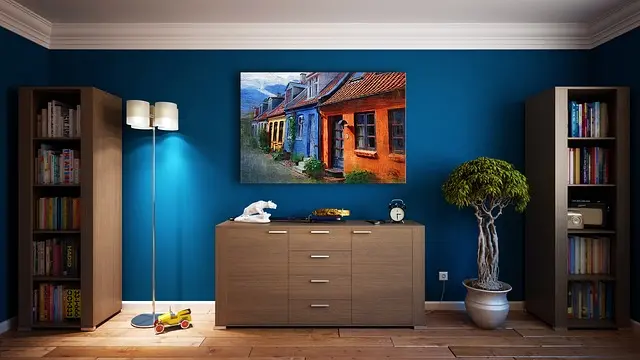
- Living Room: This space is often multifunctional, serving as a relaxation area and a social hub. Combining ambient lighting with task and accent lighting, such as a central chandelier paired with floor lamps and picture lights, creates a warm, inviting atmosphere.
- Kitchen: Task lighting is critical here. Bright under-cabinet lighting can aid in food preparation, while ambient options soften the overall brightness for evenings. Incorporating dimmable lighting makes the kitchen versatile for various activities.
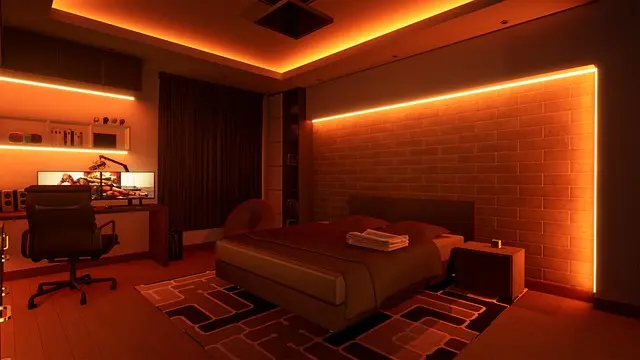
- Bedroom: This space thrives on soft, ambient lighting that promotes relaxation. Consider bedside lamps for reading, along with overhead lights that can be dimmed.
- Bathroom: Adequate lighting is vital. Bright, clear task lighting around mirrors can help with grooming tasks, while soft, ambient lighting can create a spa-like retreat.
Evaluate each room's function to ensure that your lighting supports the activities that happen there.

Samsung Galaxy Book6 (16", Core Ultra 7, 16GB), a Copilot+ PC
Back to the Office


Samsung Galaxy Book6 (16", Core Ultra 5, 16GB), a Copilot+ PC
Back to the Office
3. Evaluate Your Natural Light Sources
Natural light significantly influences how your home is illuminated. Assess the windows and light quality in each room as you plan your lighting.
- Bright Rooms: If a room welcomes abundant sunlight, you might opt for softer, understated lighting solutions to avoid overwhelming brightness.
- Dim Rooms: Conversely, rooms with little natural light might benefit from more intense ambient lighting to create a welcoming environment.
Furthermore, consider the orientation of your house. South-facing rooms tend to have more daylight exposure, impacting your lighting choices and the colour temperature of bulbs you should use.
4. Choose the Right Bulb Types
The type of bulbs you select affects not only brightness but also energy efficiency and the mood created within a space. The main options include:
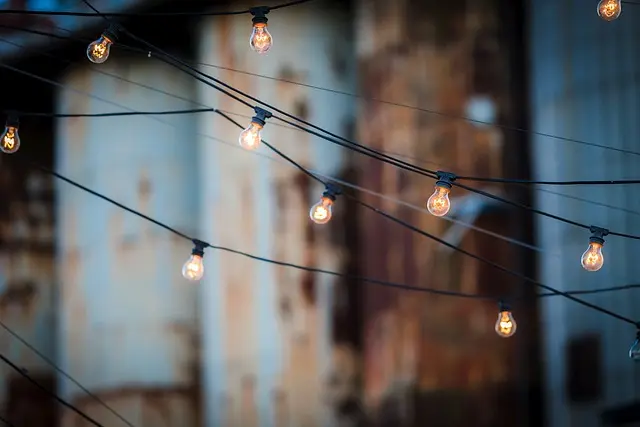
- Incandescent Bulbs: Warm, inviting light; however, they consume more energy and have a shorter lifespan.
- LED Bulbs: Energy-efficient with a long lifespan, available in various colour temperatures. They can mimic the warmth of incandescent bulbs.
- Fluorescent Bulbs: Often used in task lighting for their efficiency but can cast an unflattering light.
- Halogen Bulbs: A type of incandescent that uses gas to increase efficiency and brightness; however, they generate more heat.
When choosing bulbs, consider the colour temperature (measured in Kelvin) to match the mood you want to create. Warmer tones (2700K-3000K) encourage relaxation, while cooler tones (3500K-4100K) are energising.
5. Create a Cohesive Lighting Design
Now that you've considered the basics, functions, natural light, and bulb types, it’s time to integrate these elements into a cohesive design. Create a lighting plan that includes:
- Layering: Combine different types of lighting (ambient, task, and accent) to create depth in your rooms.
- Style Consistency: Ensure your fixtures and fittings match your home’s overall aesthetic, whether modern, rustic, or eclectic.
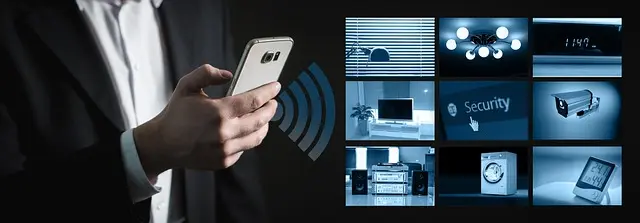
- Control Options: Consider using smart lighting controls that can tailor brightness according to time of day or mood, providing flexibility and efficiency.
As you implement your plan, take time to adjust the positioning of lights and experiment with fixtures until you achieve the desired effect.
6. Maintain and Update Your Lighting
Lighting trends evolve and fail to perform optimally over time. Regularly assess your lighting to ensure it meets your needs. Document areas where lighting might be lacking or ineffective and consider updates or additional fixtures. Additionally, regular maintenance of fixtures keeps them functional and aesthetically pleasing long-term.
Checklist before Purchase
- [ ] Determine the primary function of each room.
- [ ] Assess natural light conditions.
- [ ] Choose appropriate light bulb types.
- [ ] Design a cohesive lighting plan.
- [ ] Think about control options (dimmers, smart systems).

Samsung Galaxy S25 SM-S931B/DS 15.8 cm (6.2") Dual SIM Android 15 5G USB Type-C 12 GB 512 GB 4000 mAh Black, Blue
Back to the Office

Viewsonic VG Series VG2757V-2K computer monitor 68.6 cm (27") 2560 x 1440 pixels Quad HD LED Black
Back to the Office

Viewsonic PX703HDH data projector 3500 ANSI lumens DLP 1080p (1920x1080)
Back to the Office
Glossary
| Terme | Définition |
|---|
| Ambient Lighting | Éclairage principal d'une pièce, fournissant une lumière générale.
| Task Lighting | Lumière concentrée sur une zone spécifique pour des tâches précises.
| Accent Lighting | Éclairage utilisé pour mettre en valeur des objets ou des caractéristiques dans un espace. |
💡 Expert Opinion:
A well-thought-out lighting scheme can enhance the value of your home. According to UFC-Que Choisir, optimal lighting can increase the perceived size and comfort of a space.
📺 Pour aller plus loin : How to Choose the Right Lighting for Your Home - a thorough exploration of lighting options and their impacts on mood and functionality. Search on YouTube: "how to choose lighting for home design 2026".
Quiz rapide :
> 🧠 Quiz rapide : What is the primary purpose of task lighting?
> - A) To enhance decor.
> - B) To illuminate specific work areas.
> - C) To provide general light.
> Réponse : B — Task lighting is specifically designed to assist with tasks like reading or cooking.
📺 Pour aller plus loin : how to choose lighting for home design 2026 sur YouTube
Recommended products
Selected by our experts

Viewsonic LS700HD data projector Standard throw projector 3500 ANSI lumens DMD 1080p (1920x1080) White
Back to the Office