Contents (10 sections)
Creating an inviting kitchen atmosphere while ensuring proper functionality requires thoughtful selection of lighting. The right kitchen lighting can enhance both aesthetics and usability. This article serves as a comprehensive guide to help you make informed choices when it comes to kitchen lighting. Below, we outline steps that will lead you to the best lighting solutions tailored to your specific needs and style.
1. Understand Different Types of Lighting
To effectively light your kitchen, it’s essential to understand the three primary types of lighting: ambient, task, and accent.
- Ambient Lighting: This is the general light that fills your kitchen. It can come from ceiling fixtures, chandeliers, or wall sconces. Its main purpose is to provide a soft illumination that ensures safe navigation throughout the space. Consider using dimmable lights for versatility, as they can create a cosy atmosphere during gatherings.
- Task Lighting: This lighting focuses on specific areas where tasks like cooking, chopping, or reading recipes occur. Common sources include under-cabinet lights, pendant lights over islands, or specialized bulbs in range hoods. According to a study by Lighting Research Center, proper task lighting can improve clarity in kitchen tasks by up to 50%.
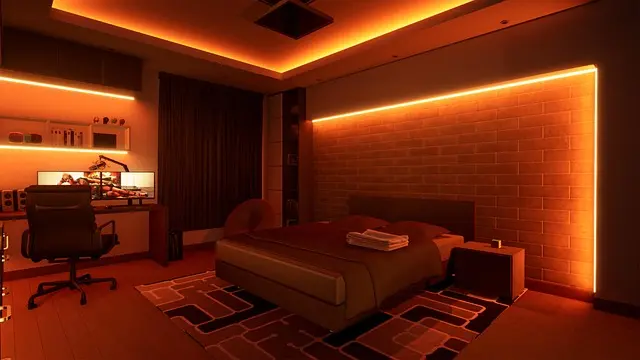
- Accent Lighting: This type adds drama and highlights architectural features or decorative elements like artwork or beautiful cabinetry. Track lighting or LED strips can be employed to effectively accentuate these aspects.
Understanding these types will help you create a balanced, well-lit kitchen tailored to your daily needs and activities.
2. Assess Your Kitchen Layout and Size
The design and dimensions of your kitchen are crucial factors in selecting the right lighting. Every kitchen is unique, which means that the same lighting solution might not work in different settings.
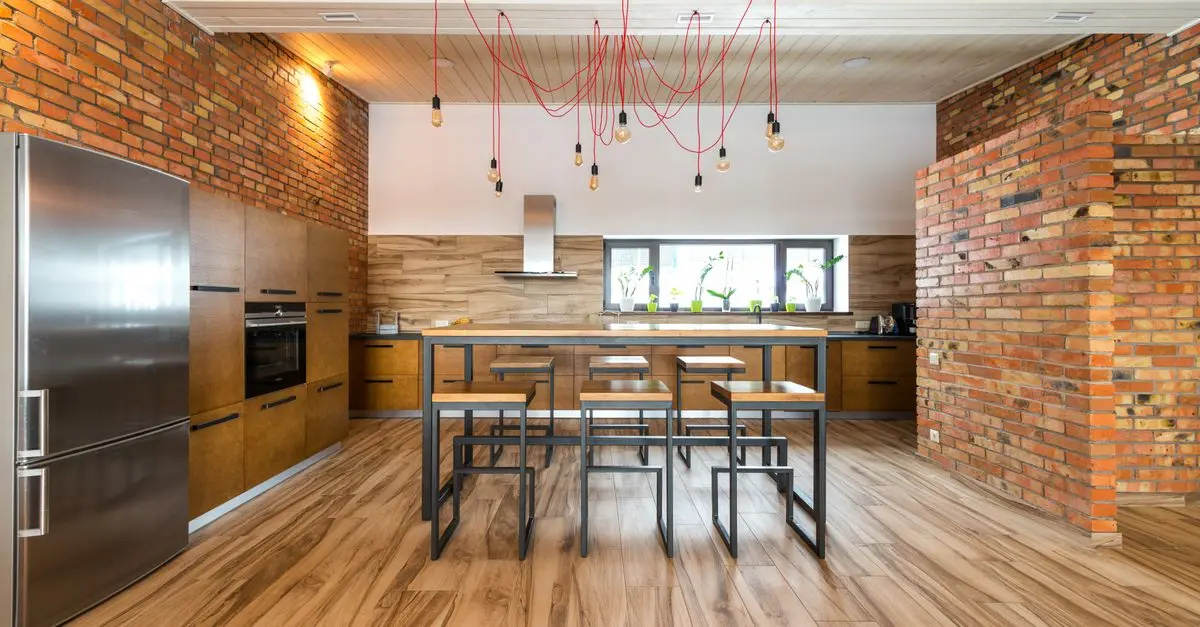
- Open Concept vs. Closed Kitchen: In an open-plan kitchen, consider how your lighting interacts with adjacent areas like the dining room or living room. You may want to use decorative pendant lighting as a focal point that ties together separate areas visually. In a closed kitchen, you can concentrate on maximizing brightness with ceiling fixtures and spot lighting.
- Size Matters: Larger kitchens may require multiple light sources to avoid dark corners. Incorporating a mix of ambient and task lighting can help ensure even illumination. For smaller kitchens, opt for space-saving solutions like flush mount fixtures to maintain an open feel.
Take measurements of your kitchen space and draft a simple layout plan. This will aid in visualizing where light fixtures can be installed for optimum effect.


3. Choose the Right Style and Colour Temperature
Once you have identified the types of lighting necessary for your kitchen, it’s time to consider style and colour temperature.
- Style: The lighting fixtures you choose should complement the overall design theme of your kitchen. For instance, a modern industrial kitchen might call for metal pendant lights, while a farmhouse-style kitchen could be enhanced by rustic chandeliers or lanterns. Don’t forget to consider how each piece will align with your existing decor and cabinetry.
- Colour Temperature: This refers to the warmth or coolness of the light, measured in Kelvins (K). A warmer light (around 2700K) creates a welcoming atmosphere ideal for relaxation, whereas cooler lights (around 4000K) are better for task-oriented areas. It’s generally advisable to use a combination of both to achieve versatility. According to the American Lighting Association, a mix that includes both warmer tones for living and cooler tones for working can enhance the overall functionality of the space.
Selecting lighting with the right style and temperature can significantly impact how inviting and effective your kitchen space is.
4. Plan for Energy Efficiency
With increasing energy costs and environmental awareness, choosing energy-efficient options is more important than ever. There are several ways to light your kitchen responsibly:
- LED Bulbs: LED lighting offers a longer lifespan and consumes significantly less energy compared to traditional incandescent bulbs. These can last up to 25,000 hours, making them a cost-effective option in the long run.
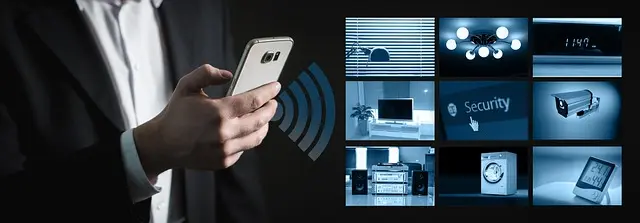
- Smart Lighting: Installing smart lighting systems allows for greater control over your kitchen's illumination, enabling you to adjust brightness and colour temperature according to the time of day or specific tasks. These systems can often be controlled via smartphones, increasing convenience and efficiency.
Implementing energy-efficient options not only saves money but also contributes to a more sustainable lifestyle.
5. Installation and Placement Considerations
Proper installation and placement are factors you shouldn’t overlook. Thoughtful arrangement maximizes both aesthetics and functionality:
- Height Matters: Pendant lights over islands or counters should hang approximately 30 to 36 inches above the surface. This prevents glare while keeping workspaces well lit.
- Dimmer Switches: Installing dimmers allows you to control lighting intensity easily. This is particularly useful for occasions when you want ambient lighting versus bright task lighting.
- Layering Light: Layering different lighting types creates a dynamic atmosphere. Aim for a mix that includes both direct and indirect lighting to enhance the kitchen's depth and character.
Taking these elements into account can result in a well-balanced lighting scheme that is both beautiful and practical.
Checklist before your Final Decision:
- [ ] Identify types of lighting needed.
- [ ] Assess kitchen dimensions and layout.
- [ ] Choose style and colour temperature.
- [ ] Ensure energy efficiency.
- [ ] Plan installation and placements.
Q: How do I know if I need ambient or task lighting?
A: If you primarily cook and prepare food in your kitchen, task lighting will be essential. Ambient lighting is needed for general navigation and atmosphere.
Q: What colour temperature is best for kitchen lighting?
A: A combination of warm (around 2700K) and cool (around 4000K) light can provide optimal functionality and comfort.
Q: Can I mix different types of bulbs?
A: Yes, mixing LED and incandescent can work if they are similar in colour temperature to maintain consistency in lighting appearance.
Q: What is the best height for pendant lights?
A: Pendant lights should hang 30-36 inches above countertops or islands to avoid glare and maximise illumination.
Glossaire
| Terme | Définition |
|---|---|
| Ambient Lighting | General lighting that provides a soft illumination throughout a space. |
| Task Lighting | Directed light that focuses on specific areas to facilitate activities like cooking. |
| Colour Temperature | Measure of the warmth or coolness of a light source, measured in Kelvins (K). |
📺 Ressource Vidéo
> 📺 Pour aller plus loin : Comment choisir les meilleurs éclairages de cuisine, une analyse complète des options d’éclairage. Recherchez sur YouTube : choisir éclairage cuisine 2026.
📺 Pour aller plus loin : how to choose kitchen lighting 2026 sur YouTube
Recommended products
Selected by our experts
Samsung NK24C5703TM/UR Cooker Hood with Powerful Extraction
Back to the Office
A powerful cooker hood helps manage steam and odours while providing integrated LED lighting, perfect for effective kitchen ventilation.
Idento Light'to Grill Lighter
Bazta UK
This flush mount ceiling light can transform the overall ambience of a kitchen with high-quality design and illumination.
Interior Design Diploma Training Course
Learning 24/7
Consider a training course on interior design to enhance your understanding of space and lighting in kitchen environments.