Contents (11 sections)
When designing a kitchen, the importance of effective lighting cannot be overstated. Not only does proper kitchen lighting create an inviting atmosphere, but it also enhances functionality. In this guide, we'll break down the essential steps to selecting the best lighting options for your kitchen, helping you to create a space that is both practical and aesthetically pleasing.
1. Assess Your Kitchen's Layout
Before diving into specific lighting choices, it's essential to assess your kitchen’s layout. Consider the size, shape, and function of the space. Is your kitchen a compact galley style, or is it an open-concept layout that integrates with the dining area?
This initial assessment allows you to determine how much light you’ll need and where it should be placed. For example, in small kitchens, optimising light can make the space feel larger. Dimmable lights can also come in handy to adjust illumination according to the time of day or occasion. Another important consideration is the level of natural light your kitchen receives; areas with abundant natural light may require less artificial illumination.
2. Choose the Right Lighting Types
Your kitchen should incorporate various types of lighting to create a well-balanced space. The three primary types are ambient, task, and accent lighting:
- Ambient Lighting: This refers to the general light that fills the kitchen. Ceiling fixtures such as chandeliers or flush mounts are great for providing overall illumination.
- Task Lighting: Task lighting focuses on specific areas where you perform activities, such as cooking or chopping. Under-cabinet lights, pendant lights over an island, or track lighting are ideal examples.
- Accent Lighting: This lighting highlights specific features in the kitchen, such as artwork or architectural elements. Use it sparingly to create a sense of warmth and depth.
By combining these three lighting types, you will ensure your kitchen is functional and visually appealing.
3. Consider Style and Aesthetics
The style of your kitchen lighting fixtures should align with the overall décor of the space. Whether your kitchen embodies a modern, minimalist, traditional, or rustic style, selecting the right fixtures can enhance your kitchen’s aesthetic.
For instance, sleek stainless steel fixtures might suit a contemporary kitchen, while vintage-style Edison bulbs could emphasise a rustic charm. Don't hesitate to mix and match styles for a personal touch, but remember to maintain a cohesive look to avoid a cluttered appearance.
4. Energy Efficiency and Smart Options
In an era where energy efficiency is paramount, consider choosing LED lighting options, as they consume less energy and have a longer lifespan compared to traditional bulbs. LEDs are available in various colours and intensities, making them versatile for kitchen environments.
In addition, smart lighting technology allows you to control your kitchen lighting with your smartphone or voice commands. This feature is particularly useful for adjusting brightness, setting scenes for dinner parties, or even scheduling lights to turn on and off automatically. According to a study by UFC-Que Choisir, homes equipped with smart lighting report improved energy savings and enhanced convenience.
5. Plan for Layered Lighting
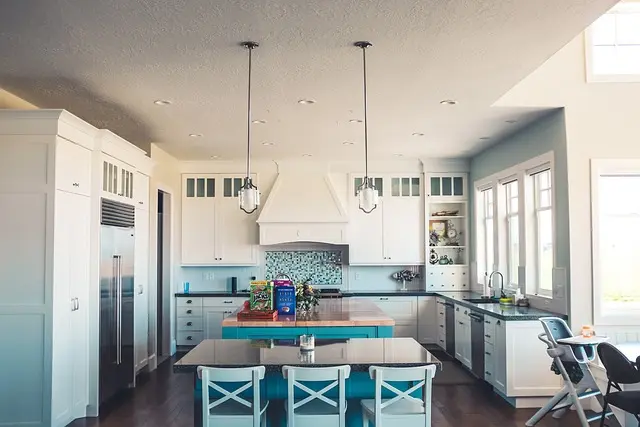
Layering lighting is the strategy of combining different lighting types at various heights to add depth and dimension to your kitchen. This could involve pendant lights over the island, under-cabinet lights for more focused illumination, and recessed lighting in the ceiling. Each layer contributes to the overall lighting scheme, ensuring that your kitchen is both functional and inviting.
When layering, be mindful of the heights of your fixtures. Pendant lights should hang at least 30 inches above an island or countertop to avoid obstructing sight lines while still providing necessary task lighting.
6. Install Dimmer Switches
Incorporating dimmer switches into your lighting scheme is a game-changer. Dimmer switches allow you to adjust the brightness levels depending on the time of day or activity. Bright settings are perfect for cooking or cleaning, while softer settings can create a romantic atmosphere for evening meals.
Additionally, installing dimmer switches can lead to energy savings since they help reduce power consumption. According to the American Society of Interior Designers, homes equipped with dimmable lighting can cut energy costs by up to 20%.
7. Create a Lighting Plan
After taking all these factors into consideration, it’s time to create a lighting plan. Designing a comprehensive layout will help you visualise how different light sources will interact within your space. Consider consulting a professional if you're unsure where to place fixtures for optimal light distribution.
Create a sketch of your kitchen, marking the intended spots for each fixture type. This plan should include the height and the style of the fixtures. By preparing this plan, you will simplify the installation process and ensure a harmonious lighting design.
Checklist before Choosing Your Kitchen Lighting
- [ ] Assess the layout of your kitchen.
- [ ] Determine the types of lighting required.
- [ ] Choose fixtures that match the kitchen style.
- [ ] Opt for energy-efficient lighting solutions.
- [ ] Plan for layered lighting.
- [ ] Consider dimmer switches for flexibility.
- [ ] Create a lighting plan before installation.
📺 For further exploration: How to Choose Perfect Lighting for Your Kitchen, an in-depth analysis of kitchen lighting concepts. Search on YouTube: "kitchen lighting ideas 2026".
Glossary
| Term | Definition |
|---|---|
| Ambient Lighting | General illumination surrounding the entire area. |
| Task Lighting | Focused lighting for specific activities or areas. |
| Accent Lighting | Lighting used to highlight specific features or decor. |
> 🧠 Quick Quiz: What is the main purpose of task lighting?
> - A) General illumination
> - B) Enhancing aesthetic features
> - C) Focused illumination for specific tasks
> Answer: C — Task lighting is designed to illuminate specific areas for tasks like cooking or reading.
In conclusion, selecting the right kitchen lighting enhances both functionality and aesthetic appeal. We’ve selected several products suitable for your needs below. Explore our recommendations today!
📺 Pour aller plus loin : kitchen lighting ideas 2026 sur YouTube
Recommended products
Selected by our experts


Yidoblo AI-3000C RGB LED Video Light Dimmable 2800k-9990k 300w CRI 95 Studio Photo Lamps Metal Panel with 12 Lighting Effects
Alibaba UK
Lighting to 3.5mm Headphones Jack Adapter Aux Adapter Earbuds Headsets Converter Accessories for iphone AUX Adapter
Alibaba UK
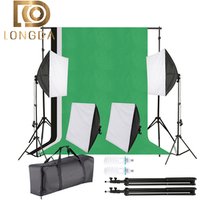
Absorb light good widely used softbox for photography studio lighting kit with background
Alibaba UK