Contents (9 sections)
Choosing the right lighting for your kitchen is an essential aspect of designing a functional and aesthetically pleasing space. Kitchen lighting should not only enhance the beauty of the environment but also serve practical purposes such as cooking, cleaning, and entertaining. As contemporary kitchens evolve, the selection of lighting has become a nuanced decision involving various types, intensities, and styles of light. This guide will delve into the key factors to consider in your kitchen lighting selection, helping you illuminate your cooking space effectively and beautifully.
1. Understand the Types of Kitchen Lighting
Before diving into the specifics of your kitchen lighting design, it's vital to grasp the various types of lighting available. Each type serves a distinct purpose, which contributes to the overall functionality and aesthetic of your kitchen. The three primary types are
- Ambient Lighting: This is the main light source in the kitchen, providing general illumination for the entire space. This can come from ceiling fixtures, recessed lighting, or natural light from windows.
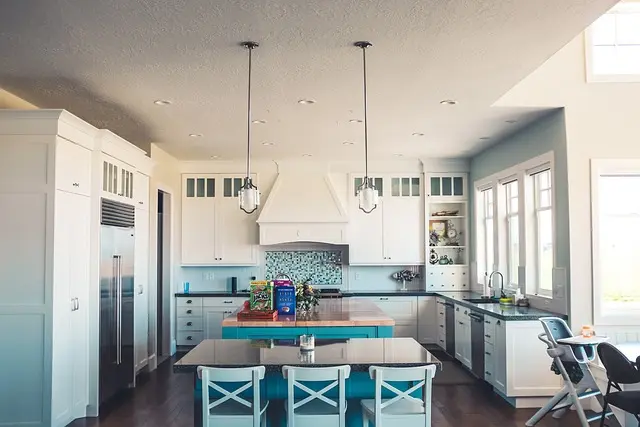
- Task Lighting: As the name suggests, task lighting is focused on areas where specific activities, like chopping vegetables or reading recipes, take place. Examples include under-cabinet lights and pendant lights over workspaces or islands.
- Accent Lighting: This type highlights particular features of your kitchen, such as artwork or architectural elements. Accent lighting is often achieved with spotlights or wall-mounted fixtures.
Understanding these categories allows you to incorporate a balanced mix in your kitchen design, ensuring that both functionality and style are perfected.
2. Determine Your Kitchen's Layout and Function
The layout and function of your kitchen significantly influences your lighting needs. An open-plan kitchen-diner, for instance, might require more ambient lighting to seamlessly integrate both spaces, whereas a compact galley kitchen may benefit from concentrated task lighting to focus on work areas. It’s beneficial to assess your cooking habits as well. If you frequently entertain guests, you may want atmospheric ambient lighting alongside multiple layers of task lighting that can be adjusted to suit different occasions.
When considering the layout, think about where you will need the most light. This could be in a food prep area, over the sink, or surrounding dining spaces. Darker kitchen colours can make a space feel smaller, hence employing brighter lights can help create an illusion of space. Bright pendant lights or under-cabinet lamps will make a significant difference in perceived size and usability.

Living and Home Crystal Column Flush Mount Ceiling Light with Chrome Frame in Silver - Silver - Size: One Size
wallis.co.uk


3. Choose the Right Colour Temperature
The colour temperature of your kitchen lighting plays a crucial role in creating the desired ambience. Measured in Kelvins (K), colour temperature can range from warm (approximately 2700K) to cool (about 6500K). Warm light create a cosy feeling, making them suitable for kitchens where interaction or relaxation occurs. In contrast, cooler lights are better for task-oriented areas as they enhance visibility and focus.
Combining different colour temperatures can also add depth and character to your kitchen. For example, you might opt for warm ambient lighting while using cooler task lights for functionality in cooking zones. This layered approach not only adds visual interest but also supports varying activities within the kitchen. Choosing LED lights offers the versatility of shifting between warm and cooler temperatures, making them a popular choice among homeowners in 2026.
4. Consider Energy Efficiency and Smart Lighting Options
In today’s energy-conscious environment, selecting energy-efficient lighting options can significantly reduce your electricity bills while contributing to a sustainable home. LED lights are highly recommended for kitchens because they consume less power and have a longer lifespan compared to traditional bulbs while providing excellent illumination. For those eager to embrace technology, smart lighting solutions allow for greater control and adaptability.
Smart bulbs can be adjusted via an app to change brightness and colour temperature according to your needs. You can also program them to create specific moods or schedules. For example, a bright, invigorating light could be set for mornings, while softer, warmer light can help signify winding down in the evening. This adaptability represents not only convenience but also modern aesthetics that are increasingly sought after.
5. Avoid Common Mistakes
As with any design decision, it's important to avoid common pitfalls when selecting lighting for your kitchen. One frequent mistake is relying solely on overhead lights; neglecting task lighting can lead to frustration during meal prep. Additionally, be wary of overly complex lighting schemes that complicate the space, making it feel cluttered or disjointed.
Another common error is mismatching lighting styles. Make sure your selections complement your kitchen design, whether it's contemporary, traditional, or minimalist. Consider heights and placements carefully; for pendant lights over islands, ensure they’re hung at an appropriate height that doesn’t obstruct sightlines or conversation. Last but not least, always test your lighting choices before committing to installations — different bulbs can significantly alter the mood of the space.
Checklist before Choosing Kitchen Lighting
- [ ] Assess the size and layout of your kitchen
- [ ] Identify the main activities and areas needing lighting
- [ ] Choose types of lighting (ambient, task, accent)
- [ ] Select appropriate colour temperature
- [ ] Research energy-efficient options
- [ ] Ensure designs complement existing decor


Glossary
| Terme | Définition |
|---|
| Ambient Lighting | General lighting that illuminates the entire kitchen.
| Task Lighting | Specific lighting focused on work areas to improve visibility.
| Accent Lighting | Decorative lighting that highlights architectural features or artwork.
💡 Avis d'expert : Envisagez d'intégrer plusieurs types de lumières, comme des spots encastrés pour l'éclairage ambiant, associés à des appliques murales pour un intérêt visuel.
📺 Ressource Vidéo
> 📺 Pour aller plus loin : How to Choose Kitchen Lighting: Tips and Inspiration, une analyse complète de choix d'éclairage. Recherchez sur YouTube :
"how to choose kitchen lighting 2026".
📺 Pour aller plus loin : Kitchen Trends EVERYONE Wants in 2026 sur YouTube
Recommended products
Selected by our experts


Hemway Ready-Mixed Glitter Grout With Pink Holographic Glitter Tile Adhesive
hemway.com

Hemway Ready-Mixed Glitter Grout With Bronze Brown Glitter Tile Adhesive
hemway.com


Liebherr Pure URc3701 Fully Integrated Fridge With Ice Box - Fixed Hinge
appliancecentre.co.uk