Contents (11 sections)
Outdoor lighting plays a pivotal role in enhancing both the aesthetics and safety of your outdoor spaces. This comprehensive guide will provide a detailed understanding of how to select appropriate lighting solutions tailored to your needs. Each step is designed to ensure that you illuminate your outdoor area effectively while also enhancing its beauty.
1. Assess Your Outdoor Space
Before diving into choosing the outdoor lighting, it's crucial to assess your space thoroughly. Consider the size, layout, and purpose of the area you wish to illuminate. For instance, are you looking to light up a garden, a patio, or a walkway? Each area has different lighting needs.
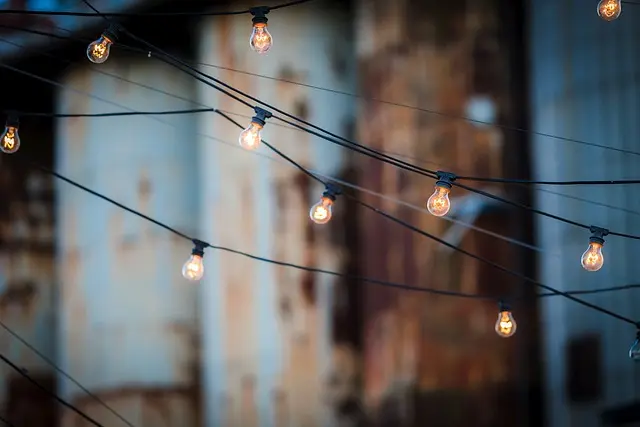
Start by mapping out the dimensions and sections of your outdoor area. Identify any focal points you want to highlight, such as trees, statues, or architectural features. Additionally, take note of areas that are darker or those that pose safety risks, such as steps or uneven ground. Analysing your space will help you identify the type and placement of lighting fixtures needed. You might find that pathway lights are suitable for a garden path while string lights or spotlights could beautify your patio.
2. Determine Your Lighting Needs
Next, it's vital to determine your specific lighting needs. This can be influenced by factors such as the primary use of the space, the ambiance you wish to create, and safety considerations. For example, if you often entertain outdoors, consider warm lights that create a welcoming atmosphere. On the other hand, if the primary concern is security, opt for brighter, more focused lights at strategic points.
Consider combining different types of lighting: ambient lighting for general illumination, task lighting for specific activities like cooking or reading, and accent lighting to highlight features. A layered approach will deliver a more dynamic and functional outdoor area. Additionally, educating yourself on lumens (the measure of brightness) can better assist in choosing the right light intensity. For instance, 100-200 lumens can suffice for pathway lighting, but areas for gatherings might benefit from 300-400 lumens.
3. Choose Between Various Lighting Options
Once you have a grasp of your space and needs, it's time to choose between various outdoor lighting options. The market offers several types, including LED fixtures, solar lights, and traditional incandescent bulbs. Each type has its advantages and disadvantages based on energy efficiency, brightness, and maintenance.
LED lights are highly energy-efficient and have a much longer lifespan compared to incandescent bulbs. Solar lights, ideal for garden settings without access to electricity, are easy to install but may not provide as much brightness as mains-powered lights. Consider where you want to place your fixtures and if they will have access to natural sunlight if selecting solar options. Furthermore, using dimmable lights can add flexibility to your lighting design, allowing you to adjust the light intensity based on your needs or moods.
Here's a quick comparison table:
| Lighting Type | Advantages | Disadvantages | Best Use |
|---|---|---|---|
| LED Lights | Energy-efficient, long-lasting | Higher initial cost | All outdoor areas |
| Solar Lights | Easy installation, no wiring needed | Less intense light output | Gardens, pathways |
| Incandescent | Warm light, easy to find | Short lifespan, high energy use | Accent lighting |
| Halogen Bulbs | Bright, great colour reproduction | Less energy-efficient | Task lighting |
In general, a good rule of thumb is to aim for a vertical height of 7-8 feet for path lights to illuminate walkways and avoid tripping hazards. For focused lighting, such as spotlighting trees or decorative elements, place the lights at an angle to create depth. Additionally, be mindful of light pollution; ensure the fixtures direct light where you want it and not into neighbouring properties or upward into the sky.
5. Consider Smart Lighting Solutions
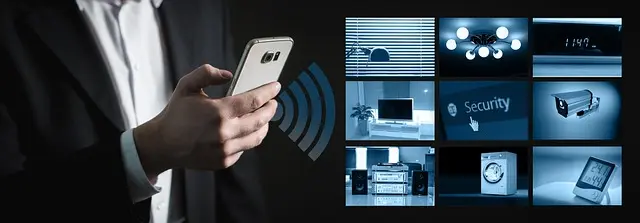
As technology has evolved, so has outdoor lighting. Smart lighting offers the ability to control your outdoor lights remotely via apps or voice commands. This feature is not only convenient but also enhances security. Many smart options allow you to set schedules or control the brightness and colour of your lights.
Additionally, consider integrating motion sensors or timers for automatic operation. This way, your outdoor lights can illuminate at dusk and turn off at dawn, or when movement is detected, providing both safety and energy savings. According to recent studies, integrating smart technology in outdoor lighting can reduce energy costs by up to 30% annually, making it a worthwhile investment.
6. Maintenance and Safety Checks
Finally, it’s essential to consider the maintenance of your outdoor lighting. Regular checks will ensure your lights are not only operational but also safe. Look for signs of wear and tear, especially in fixtures exposed to the elements. Regularly clean fixtures to avoid buildup from dirt and dust, which can affect light output.
Moreover, inspect wiring and connections, particularly if you use electrical fixtures, to prevent any hazards. It's advisable to consult with a professional if you’re unsure, especially regarding installations involving electricity. Keeping a maintenance schedule can prolong the life of your lighting fixtures and keep your spaces safe and inviting.
Checklist Before Purchase
- [ ] Assess your outdoor space and identify areas needing illumination.
- [ ] Determine your specific lighting needs for aesthetics and safety.
- [ ] Choose between various lighting options based on efficiency and placement.
- [ ] Plan strategic placement for functional use and aesthetics.
- [ ] Consider the integration of smart technologies for convenience.
- [ ] Regularly maintain and check all lighting fixtures for safety.
Glossary
| Terme | Définition |
|---|---|
| Lumens | Unité de mesure de la quantité de lumière visible. |
| Ambiance | Atmosphère créée par l'éclairage dans un espace. |
| Accent Lighting | Éclairage ciblé qui met en valeur des éléments spécifiques. |
📺 Ressource Vidéo
> 📺 Pour aller plus loin : Comment choisir l’éclairage extérieur parfait, une analyse complète de l'éclairage extérieur. Recherchez sur YouTube : "choisir éclairage extérieur 2026".
Quiz rapide :
> 🧠 Quiz rapide : Quelle est la meilleure source d'énergie pour évaluer l'intensité lumineuse ?
> - A) Lumens
> - B) Watts
> - C) Lux
> Réponse : A — Les Lumens mesurent précisément la quantité de lumière émise.
En suivant ces étapes et en tenant compte des éléments clés, vous serez en mesure de sélectionner un éclairage extérieur qui non seulement répond à vos besoins pratiques mais améliore également l'esthétique globale de votre espace extérieur. N'oubliez pas de consulter nos recommandations de produits ci-dessous pour trouver les meilleures solutions adaptées à votre projet.
📺 Pour aller plus loin : choisir éclairage extérieur 2026 sur YouTube
Recommended products
Selected by our experts

TP-Link InSight S285 Dome IP security camera Outdoor 3840 x 2160 pixels Ceiling
Back to the Office

Apple Watch Series 6 GPS + Cellular Aluminium Case | Size: 44mm | Colour: Blue | Condition: Excellent
ur

TP-Link INSIGHT S445 Turret IP security camera Outdoor 2688 x 1520 pixels Ceiling
Back to the Office

Apple Watch Series 6 GPS + Cellular Aluminium Case | Size: 44mm | Colour: Gold | Condition: Excellent
ur

TP-Link INSIGHT S455 Turret IP security camera Outdoor 2880 x 1620 pixels Ceiling
Back to the Office

Apple Watch Series 6 GPS + Cellular Aluminium Case | Size: 40mm | Colour: Space Grey | Condition: Premium
ur