Contents (18 sections)
Lighting is a vital aspect of any home, particularly the outdoor space. Outdoor lighting serves not only aesthetic purposes but also crucial safety roles. In 2026, homeowners are increasingly aware of how effective lighting can transform their gardens, patios, and entrances, making them safer and more inviting. Illuminating your exterior space enhances the architectural features of your home, provides security, and extends usability into the evening hours. This article aims to guide you through the process of selecting the right outdoor lighting for your home, ensuring both safety and aesthetics are taken into consideration.
Step 1: Understand Your Lighting Needs
Before diving into products, it's essential to identify the specific needs of your outdoor space. Do you want to illuminate pathways, highlight landscaping, or provide security? Each function will dictate the style and type of lighting needed. For instance, pathway lighting is typically low-level to guide movement, while security lights should be brighter and positioned strategically to cover critical areas like entrances. Consider making a plan of your outdoor areas and noting where light is most required. This strategy ensures you invest in the most effective solutions and do not overlook crucial zones. Reflecting on your lifestyle can also help; for example, if you often host gatherings outside, creating an inviting atmosphere with aesthetic lighting becomes necessary.
Step 2: Choose the Right Style
Once you've identified your lighting needs, the next step is to determine the style of outdoor lighting that complements your home's architecture. There are several styles to choose from, including:
- Traditional: Lantern-style lights can add a classic touch.
- Modern: Sleek, minimalist designs provide a contemporary feel.
- Rustic: Using natural materials like wood or stone brings a warm touch.
Choosing a style that aligns with your home's existing decor creates cohesion and enhances the overall appearance of your outdoor space. Consider visiting local showrooms or browsing online platforms to gather inspiration and see what works best visually with your existing landscape.

Wolf Tooth Baton Car-Mounted High-Brightness Long-Range Rechargeable Self-Defense Outdoor Patrol Home Emergency Lighting
Voghion Global
Step 3: Select the Right Type of Lighting
There are numerous types of outdoor lighting available, each serving different purposes. Here are several common types:
1. Flood Lights: Ideal for security, offering high brightness and wide coverage.
2. Pathway Lights: Low-intensity lights that illuminate walkways.
3. Wall-mounted lights: Useful for entrances, enhancing visibility and style.
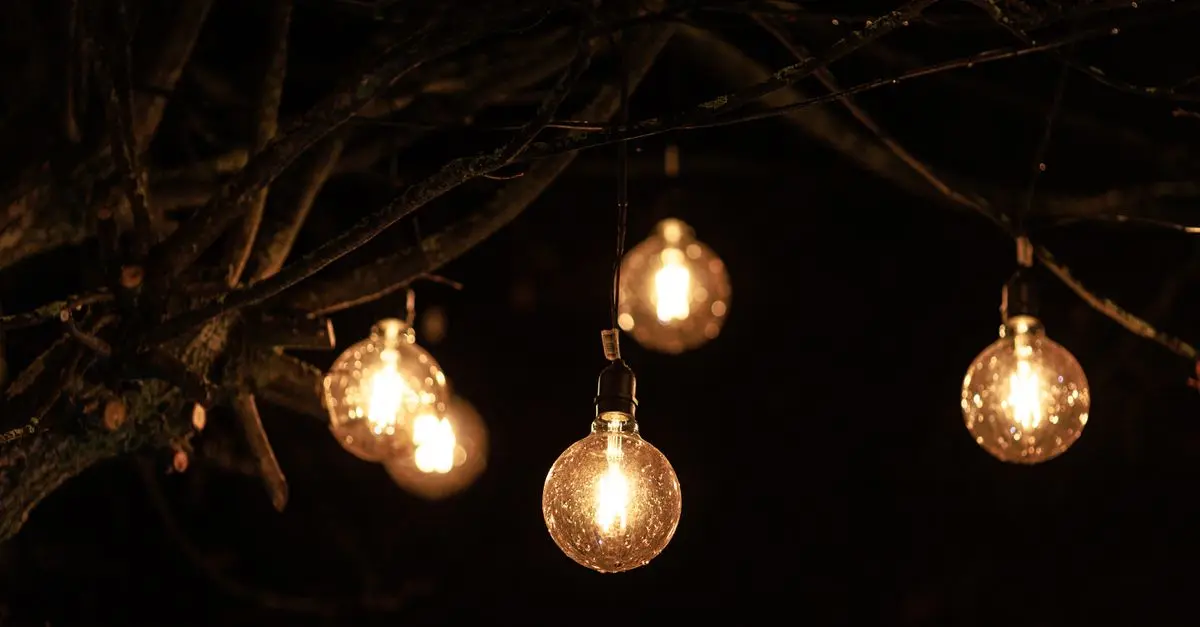
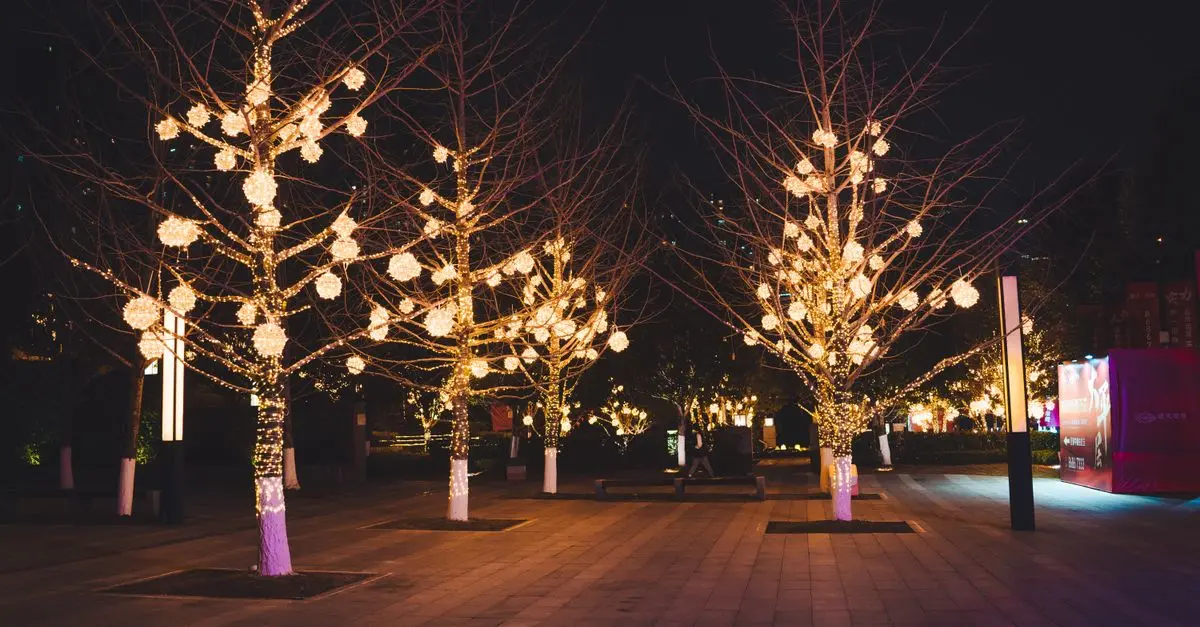
4. String Lights: Perfect for creating a decorative atmosphere during gatherings.
5. Spotlights: Used to highlight specific outdoor features, such as trees or sculptures.
When choosing types, consider energy efficiency as well. LED lights are recommended for their longevity and reduced energy consumption, making them a more sustainable choice overall. Prioritising energy-efficient solutions not only helps in reducing your carbon footprint but also results in savings on electricity bills.
Step 4: Determine the Right Placement
Placement plays a critical role in the effectiveness of outdoor lighting. A common mistake is to install lights without considering their intended purpose or the effect they will create. Here are key tips for effective placement:
- Height: Wall-mounted fixtures should be installed at a height that allows their beam to disperse effectively across the area.
- Distance: Space pathway lights evenly for consistent illumination and avoid placing them too far apart, which could leave dark spots.
- Angle: Position spotlights at angles that enhance features rather than create unwanted shadows. Experiment with various angles before finalising the installation. Doing so can maximise the visual effects you aim to achieve.
Step 5: Equip with Smart Technology
In 2026, technological advancements offer more options for outdoor lighting than ever. Smart outdoor lights can be controlled remotely via smartphones, enabling adjustments for brightness and scheduling. Here are some advantages:
- Energy Efficiency: Schedule lights to turn off when not needed, conserving energy and reducing costs.
- Added Security: Motion sensors can prompt lighting when movement is detected, deterring potential intruders.
- Convenience: Control lighting remotely for gatherings or to simulate occupancy while away.
Integrating smart technology into your outdoor lighting adds both functionality and security to your home, enhancing your peace of mind.
Step 6: Maintenance Considerations
As with any part of your home, maintenance is key for longevity. Outdoor lighting fixtures should be regularly cleaned to prevent dirt and debris buildup, which can affect brightness and aesthetics. Consider seasonal checks, especially before winter, to ensure all bulbs are functioning and that wiring is intact. Furthermore, check for any wear and tear, and replace burnt-out bulbs promptly. Investing in durable materials designed to withstand weather elements can prolong the life of your fixtures significantly.
Step 7: Budgeting Your Project
Outdoor lighting can vary significantly in price. Start by determining your budget and prioritising areas that need immediate attention. It’s often advisable to allocate more funds towards high-quality fixtures in critical locations, ensuring safety. Comparison shopping online can help find products that fit both your budget and style. Be cautious of too-cheap options, as they may lack longevity and performance. Remember that investing in quality lighting will pay off in the long run.
Checklist before Purchase
- [ ] Identify your specific lighting needs.
- [ ] Choose a style that complements your home.
- [ ] Select the appropriate types of lighting.
- [ ] Plan effective placement for maximum impact.
- [ ] Explore smart technology options.
- [ ] Consider maintenance requirements.
- [ ] Establish a budget before purchasing.
Glossary
| Terme | Définition |
|---|---|
| Lumens | Unité de mesure de la luminosité émise par une source lumineuse. Plus le nombre de lumens est élevé, plus la lumière est brillante. |
| LED | Diode électroluminescente, utilisée pour son efficacité énergétique par rapport aux ampoules traditionnelles. |
| Track Lighting | Système d'éclairage où les lumières sont montées sur un rail, permettant de diriger le faisceau selon les besoins. |
📺 Ressource Vidéo
> 📺 Pour aller plus loin : Outdoor Lighting Ideas for 2026, une analyse complète des tendances modernes. Recherchez sur YouTube : "outdoor lighting ideas 2026".
🧠 Quiz rapide : Quel type de lumière est idéal pour des chemins extérieurs ?
- A) Spotlights
- B) Pathway Lights
- C) Flood Lights
Réponse : B — Les pathway lights sont conçues spécifiquement pour illuminer les chemins.
Conclusion
Choisir le bon éclairage extérieur est un investissement précieux dans la sécurité et l'esthétique de votre maison. En suivant ces étapes pratiques et en considérant vos besoins spécifiques, vous serez mieux préparé pour illuminer votre espace extérieur de manière efficace et attrayante. Explorez nos recommandations ci-dessous pour découvrir des produits adaptés à vos besoins d'$outdoor lighting$.
📺 Pour aller plus loin : outdoor lighting ideas 2026 sur YouTube
Recommended products
Selected by our experts
Wolf Tooth Baton Car-Mounted High-Brightness Long-Range Rechargeable Self-Defense Outdoor Patrol Home Emergency Lighting
Voghion Global
This product offers high brightness and reliability, making it suitable for home emergency lighting and outdoor patrol needs.