Contents (13 sections)
Selecting the right outdoor lighting can significantly enhance both the safety and aesthetic appeal of your home. As we delve into the comprehensive guide to choosing outdoor lighting, we'll explore key aspects that will help illuminate your outdoor space effectively.
1. Understanding Your Outdoor Lighting Needs
First and foremost, assess what your primary purposes for outdoor lighting are. This may include improving safety, enhancing the beauty of your garden, or providing a welcoming environment. According to a survey by the International Association of Lighting Designers (IALD), 70% of homeowners believe that good lighting increases the functionality of outdoor spaces.
- Safety: Is your main goal to deter intruders or to illuminate walkways and stairs?
- Ambience: Are you looking to create a cozy atmosphere for evening gatherings?
- Highlighting Features: Do you wish to illuminate landscaping, patios, or architectural features?
Identifying the main reason for your outdoor lighting will guide your choices throughout the selection process.
2. Types of Outdoor Lighting
Understanding the various types of outdoor lighting can aid in making informed decisions. Here’s a breakdown:
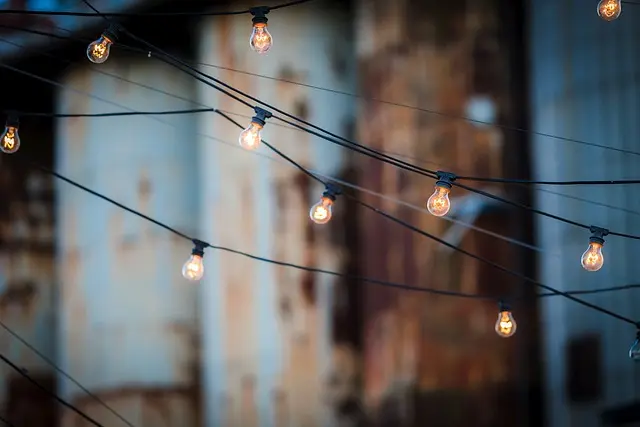
- Ambient Lighting: This is the general illumination of an area. It usually comes from fixtures such as wall-mounted sconces or post lamps that evenly disperse light over a space.
- Task Lighting: Designed to illuminate specific areas where activities occur, such as pathways or workspaces. Spotlighting, for example, is considered task lighting.
- Accent Lighting: Used to focus attention on particular features like plants, sculptures, or architectural designs, enhancing the beauty and drama of your garden or façade.
By knowing the function of each type, you can mix and match to create a layered lighting scheme that provides both safety and aesthetic appeal.
3. Choosing the Right Fixtures
When selecting fixtures for outdoor lighting, consider style, durability, and functionality. Here are some tips:
- Materials: Opt for weather-resistant materials like stainless steel, brass, or durable plastics. Look for fixtures with a good IP rating to ensure they withstand the elements, particularly in the UK climate.
- Style: Your fixtures should complement your home’s architecture. If you have a modern home, sleek, minimalist fixtures may be appropriate, whereas, for a more traditional house, wrought iron designs could work better.
- Features: Some lighting fixtures come with additional features such as sensors, timers, or smart home integration, providing added convenience.
4. Lighting Layout and Placement
Proper placement is crucial for effective outdoor lighting. Here are practical tips:
- Paths and Steps: Install lights along pathways and at every step to ensure safety. A general rule is to place lights every 4-6 feet along paths.
- Entrances: Ensure that your front door is well-lit. Consider using wall sconces on either side of the door for balanced lighting.
- Landscaping: Use spotlights to highlight trees, shrubs, or unique landscaping features, drawing attention and framing your home beautifully.
An organised layout will not only improve safety but will also create a comforting ambiance.
5. Energy Efficiency Considerations
With growing concerns around energy consumption, selecting energy-efficient lighting is advisable:
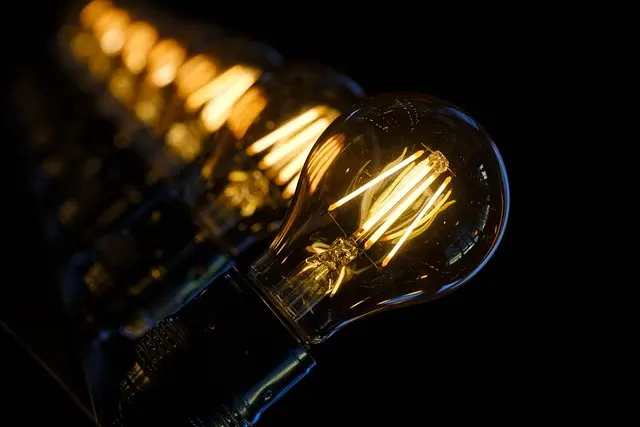
- LED vs. Traditional Bulbs: LED lights are significantly more energy-efficient and have a much longer lifespan compared to traditional incandescent bulbs. According to Energy Saving Trust, switching to LED can save up to £100 a year.
- Solar Lighting: Consider solar outdoor lights that use renewable energy and can be placed anywhere with sunlight, eliminating the need for electrical wiring.
6. Smart Outdoor Lighting Options
The rise of smart technologies has opened up new possibilities for outdoor lighting management. Smart lighting systems allow you to control outdoor lights through mobile apps or voice commands. These systems can be programmed to turn on or off at specific times, improving security while also saving energy. According to a recent study, homes with smart outdoor lighting systems reported a 20% reduction in energy costs.
7. Common Mistakes to Avoid
When planning your outdoor lighting, be aware of common pitfalls:
- Too Much Brightness: Overly bright lights can cause glare and discomfort. Opt for lights with lower wattage for areas that require less illumination.
- Neglecting Lighting Levels: Ensure a balance of lighting levels to maintain ambiance. Too much accent lighting can create overly dramatic contrasts.
- Ignoring Maintenance: Regular maintenance is necessary for outdoor lights. Ensure fixtures are cleaned regularly to prevent dirt build-up and check bulb functionality seasonally.
Checklist before Purchase
- [ ] Determine your main lighting objectives (safety, ambience, or feature highlighting)
- [ ] Choose appropriate lighting types and fixtures that suit your home’s style
- [ ] Plan the layout and placement of fixtures to ensure effectiveness
- [ ] Consider energy-efficient options like LED or solar lighting
- [ ] Explore smart outdoor lighting systems for convenience
## Glossary
| Terme | Définition |
|---|---|
| Ambiance | L’atmosphère générale créée par l’éclairage, influençant l’humeur et les sentiments. |
| Lumens | Mesure de la quantité totale de lumière visible émise par une source lumineuse. |
| IP Rating | Un indice qui mesure la protection d’un équipement contre la poussière et l’eau. |
📺 Ressource Vidéo
> 📺 Pour aller plus loin : Outdoor Lighting Ideas for Your Home, une analyse complète de l'éclairage extérieur. Recherchez sur YouTube : "best outdoor lighting ideas 2026".
- Q: What is the best type of outdoor lighting for security?
A: Motion-sensor lights are ideal for security, as they illuminate areas only when movement is detected, deterring potential intruders.
- Q: How many lumens do I need for outdoor lighting?
A: For pathways, aim for 100-200 lumens per fixture; for general areas, between 200-300 lumens is typically adequate.
- Q: Can I install outdoor lighting myself?
A: Yes, many outdoor lights are designed for easy installation, but it's wise to consult a professional for complex setups, especially those requiring wiring.
- Q: How often should I replace outdoor light bulbs?
A: Depending on the type of bulb, you should check and potentially replace them every 1-2 years to ensure optimal functionality.
Recommended Products
- - - ---
📺 Pour aller plus loin : best outdoor lighting ideas 2026 sur YouTube
Recommended products
Selected by our experts

TP-Link InSight S385PI Bullet IP security camera Outdoor 3840 x 2160 pixels Wall
Back to the Office
This outdoor IP security camera is perfect for enhancing safety and visibility around your home, offering high-definition monitoring capabilities.

TP-Link VIGI InSight S445ZI Turret IP security camera Outdoor 2688 x 1520 pixels Ceiling
Back to the Office
This camera is equipped with powerful optical zoom and smart detection, ensuring comprehensive surveillance capabilities for your property.

TP-Link Tapo Smart Wi-Fi Light Strip, Multicolor
Back to the Office
An excellent choice for soft ambient lighting, perfect for creating a welcoming outdoor atmosphere at night.