Contents (21 sections)
Creating a minimalist lighting plan involves understanding how to effectively utilise light to enhance your home's aesthetic. The key is to combine function with style, achieving a serene and clutter-free atmosphere. This guide walks you through the essential steps to develop a sleek and effective minimalist lighting plan.
1. Understanding Minimalist Lighting
What is Minimalist Lighting?
Minimalist lighting focuses on simplicity and functionality, often characterised by clean lines and a limited number of fixtures. It eliminates unnecessary ornamentation, creating a serene ambiance. The essence of minimalist lighting is to use light as a tool to enhance the space, rather than overshadow it. Key to this approach is the selection of fixtures that blend seamlessly with the room’s design.
Why is it Important?
A well-thought-out minimalist lighting plan not only illuminates but also complements the existing decor. Research by UFC-Que Choisir indicates that proper lighting can significantly affect mood and productivity within a space. Therefore, thoughtful selection of lighting can transform an ordinary space into an extraordinary one.
2. Assessing Your Space
Before diving into the planning phase, it's essential to assess your space. Take note of the following:
- Room Dimensions: Measure the size of each room to determine the type and number of fixtures required.
- Natural Light Sources: Identify areas where natural light enters during the day to optimise artificial lighting.
- Room Function: Consider how each room is used. A workspace may need more focused lighting compared to a relaxing living area.
By evaluating these aspects, you can create a more tailored lighting plan. For instance, a study may benefit from brighter task lighting, while a bedroom should favour softer, ambient lighting.
3. Choosing the Right Fixtures
Lighting Types
In a minimalist lighting plan, it’s crucial to choose the right types of lighting:
- Ambient Lighting: Provides overall illumination; consider flush mounts or recessed lights.
- Task Lighting: Focused light for specific tasks, such as desk lamps in work areas.
- Accent Lighting: Highlights certain features, such as artwork or architectural elements.
Fixture Styles
Opt for fixtures with simple designs. Brands like IKEA and John Lewis offer modern, minimalist designs that can complement a range of styles. According to Les Numériques, well-curated fixtures can subtly enhance a room without drawing excessive attention.
4. Creating Zones with Light
Importance of Zoning
Effective minimalist lighting incorporates zoning, which refers to strategically grouping different lighting types within a space to create distinct areas. This technique enhances functionality and aesthetics, allowing flexibility in how the space is used.
Implementation
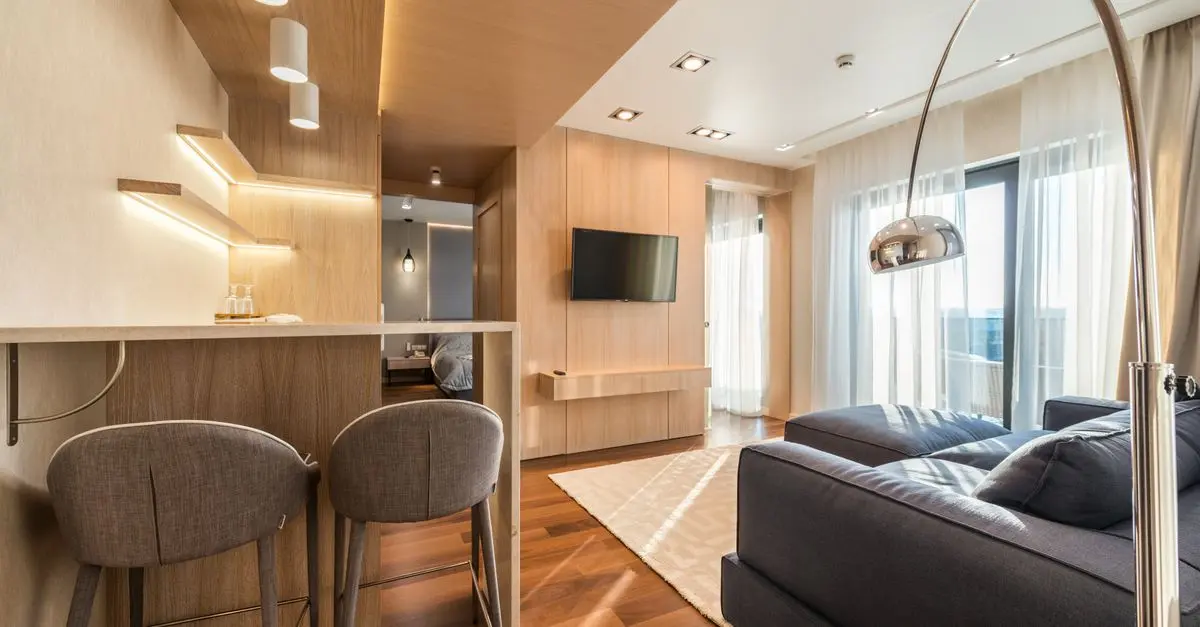
For example, in a living room, use a combination of ambient lighting (like ceiling fixtures), task lighting (like floor lamps), and accent lighting (like wall sconces). This zoning creates a layered effect, allowing you to adjust lighting based on the activity—whether reading, entertaining, or relaxing.
5. Developing a Colour Temperature Strategy
What is Colour Temperature?
Colour temperature refers to the hue of the light emitted from a bulb, measured in Kelvins (K). Warmer tones (below 3000K) create a cosy atmosphere, while cooler tones (above 4000K) tend to stimulate productivity—perfect for workspaces.
Choosing the Right Temperature
In minimalist designs, it's often recommended to use warmer tones in living areas and bedrooms to evoke comfort. In contrast, cooler tones may work well in kitchens and home offices. According to a study by ADEME, using appropriate colour temperatures can significantly impact the perceived space, making it feel larger or more inviting.
6. Sustainability Considerations
Eco-Friendly Lighting Options
In creating a minimalist lighting plan, it is vital to consider sustainability. Opt for LED bulbs, which are energy-efficient and have a longer lifespan compared to traditional bulbs. The INSEE reports that switching to LED lighting can reduce energy consumption by up to 85%, contributing to lower electricity bills.
Sourcing Sustainable Fixtures
When choosing fixtures, look for products that are made from sustainable materials or produced by environmentally responsible manufacturers. Brands that adhere to sustainability practices not only align with a minimalist aesthetic but also contribute positively to the planet.
Checklist before Implementing Your Lighting Plan
- [ ] Assess the size and purpose of each room.
- [ ] Choose appropriate lighting types for functionality.
- [ ] Select fixtures that maintain a minimalist aesthetic.
- [ ] Implement zoning to enhance usability.
- [ ] Decide on colour temperatures for each space.
- [ ] Consider sustainability in your selections.
🧠 Quiz rapide: What is the primary goal of a minimalist lighting plan?
- A) To use as many fixtures as possible
- B) To create a simple and effective lighting solution
- C) To focus only on natural light
Réponse : B — A minimalist lighting plan aims to enhance functionality and style with simplicity.
📺 Ressource Vidéo
> Check out our video: "How to Choose Minimalist Lighting for Your Home" for a visual guide on implementing these strategies. Search on YouTube: "minimalist lighting design 2026".
Glossaire
| Terme | Définition |
|---|---|
| Ambient Lighting | General illumination that lights up an entire room. |
| Task Lighting | Focused lighting used for specific tasks, like reading. |
| Accent Lighting | Decorative lighting that highlights specific areas or items. |
---
📺 Pour aller plus loin : minimalist lighting design 2026 sur YouTube