Contents (11 sections)
Creating the right atmosphere in your home or workspace can significantly impact how you feel and function in that space. One crucial element that influences the ambience is colour temperature lighting. It involves adjusting the hue of light to evoke specific emotions, enhance productivity, or promote relaxation. In this guide, we’ll explore how to effectively utilise colour temperature lighting to transform your environments.
Understanding Colour Temperature Lighting
Colour temperature is measured in Kelvin (K) and varies from warm yellows (around 2000K) to bright blues (over 6000K). Generally, warmer lights (below 3000K) foster a cosy and comforting atmosphere, perfect for living rooms or bedrooms. Conversely, cooler lights (above 5000K) stimulate alertness and focus, making them ideal for workspaces or kitchens. Understanding these differences can help you optimise your space according to the intended mood or activity.
Moreover, the implications of lighting extend beyond aesthetics. Studies suggest that the choice of lighting can affect not just mood but also productivity. For example, a warm light may enhance relaxation in a reading nook while cooler fluorescents can invigorate a busy office. Recognising which colour temperature works best for each scenario is essential for creating a harmonious environment.
Step 1: Assess Your Space
Before diving into your lighting design, it’s essential to evaluate your existing space. Look at the room's purpose, size, and natural light sources. What mood do you want to create, and what activities will take place there? For example, a spacious office may benefit from bright, cool lighting to keep you awake and focused, while a smaller lounge area may thrive under softer, warm lights for relaxation.
Take stock of where light fixtures are positioned; note how different times of day affect the lighting. This assessment enables you to make informed decisions on where to add or alter your lighting systems to enhance the overall atmosphere effectively.
Step 2: Choose Your Lighting Fixtures
Choosing the right lighting fixtures significantly impacts your room’s ambience. When selecting fixtures, consider their colour temperature capability. Many modern LED lights come with adjustable colour temperatures, allowing you to shift from warm to cool tones as desired.
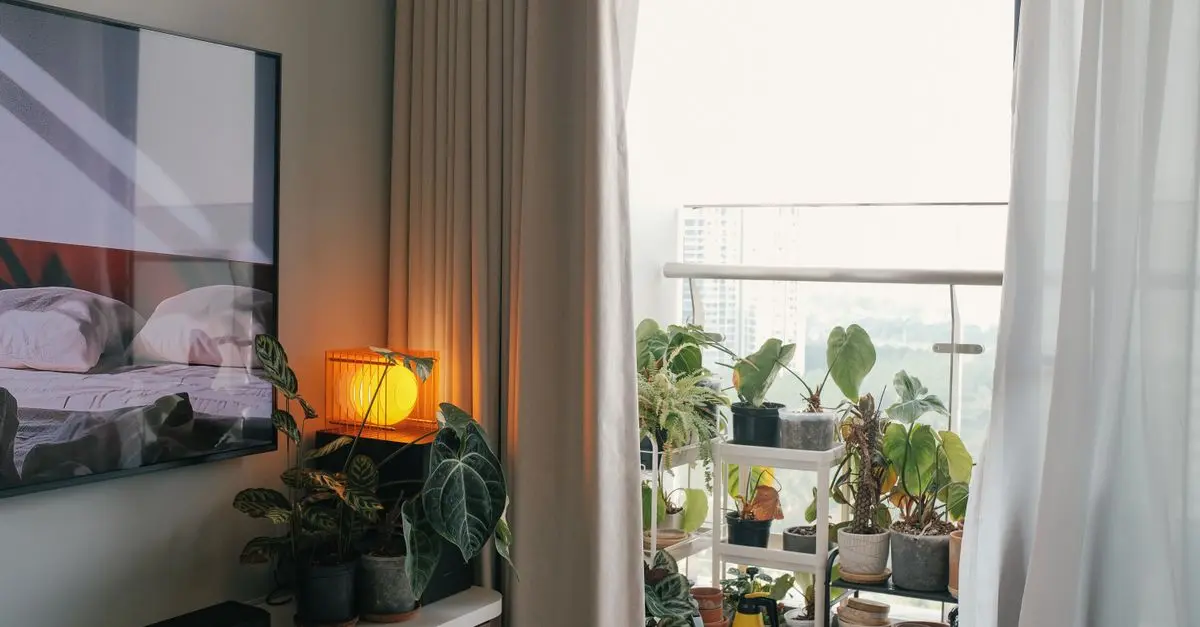
For ambient lighting, consider fixtures with a lower colour temperature, such as pendant lamps with a cosy glow. For task lighting, such as desk lamps or under-cabinet lights in kitchens, opt for higher temperature options. Furthermore, the style of the fixtures can contribute to the overall feel of the space, whether you prefer sleek contemporary designs or warm rustic styles. Integrating adjustable lighting can enhance flexibility, allowing the atmosphere to adapt as the day progresses or activities change.
Step 3: Layer Your Lighting
Layering your lighting is vital for achieving a stunning atmosphere. This involves combining different types of lighting: ambient, task, and accent. Ambient lighting provides the overall illumination in a space, while task lighting focuses on specific areas for activities like reading or cooking. Accent lighting further enhances certain features or decor elements.
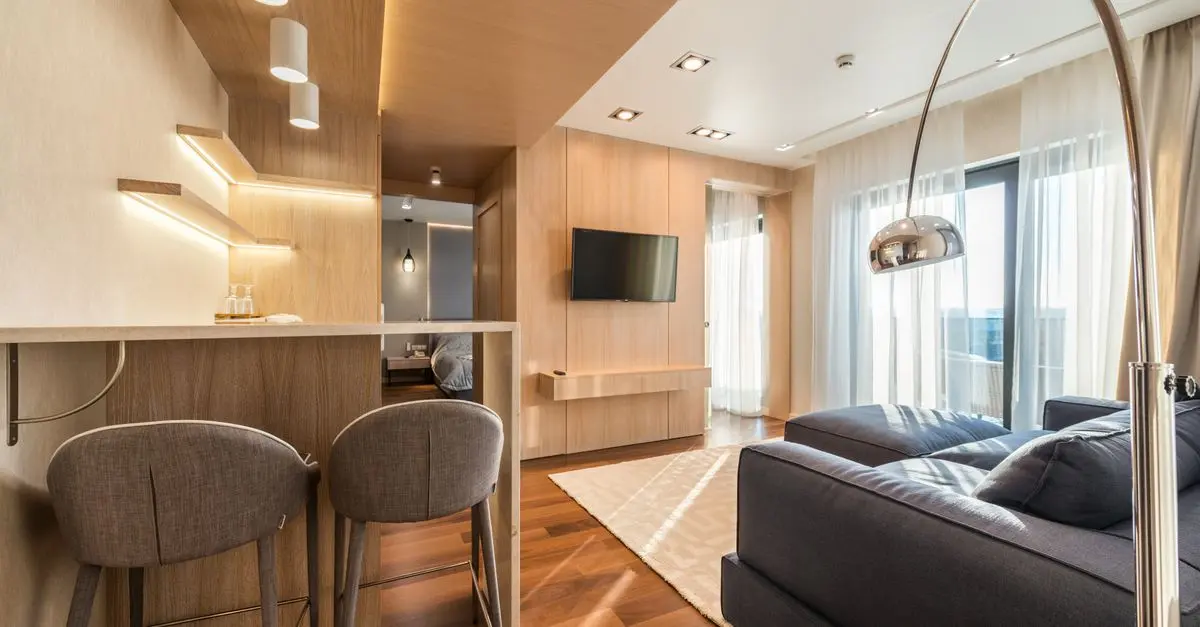
For instance, use warm LED strips under shelves for accent lighting and cool downlights over desks for task tasks. This multi-faceted approach helps set the mood by directing light to where it's most needed while augmenting the existing room aesthetics. Aim for a balance; too much of one type can lead to harshness or gloom.
Step 4: Experiment with Dimmers
Dimmers are essential tools for manipulating the ambience of your space. By controlling the brightness, you can easily modify the colour temperature perceived at different times. Dimmed warm lights can create a more intimate setting for the evenings, and brighter cool lights can energise your space during the day.
Many modern lighting systems allow for additional features like smart controls. This could include voice-activated command settings or mobile app controls. Experimenting with different brightness levels allows you to find the perfect atmosphere according to your specific needs for both comfort and productivity.
Step 5: Embrace Natural Light
Don't forget the influence of natural light. Maximise day lighting by using sheer curtains that let soft daylight in while protecting against harsh sun rays. Natural light can significantly shift the perceived colour temperature in your workspace. Consider how you can orient furniture to make the best use of windows while also using reflective surfaces to bounce light around.
Additionally, harmonising artificial lights with the natural light spectrum provides a cohesive look throughout the day. Observe how the sunlight changes your space’s mood when transitioning from morning to night, and adjust your artificial lighting correspondingly.
Checklist before Implementing Colour Temperature Lighting
- [ ] Assess the purpose and atmosphere of each room.
- [ ] Choose adjustable lighting fixtures capable of various colour temperatures.
- [ ] Plan different layers of ambient, task, and accent lighting.
- [ ] Install dimmers to adjust brightness and colour emotionally.
- [ ] Use natural light effectively and harmonise it with artificial lighting.
📺 Resource Video
> 📺 For further insights: Exploring Colour Temperature in Lighting, a complete guide to understanding lighting dynamics. Search on YouTube: how to use colour temperature lighting effectively.
Glossary
| Term | Definition |
|---|---|
| Colour Temperature | Measurement in Kelvin that describes the warmth or coolness of light. |
| Ambient Lighting | General illumination that provides overall brightness in a space. |
| Task Lighting | Lighting focused on specific tasks, enhancing visibility in targeted areas. |
---
📺 Pour aller plus loin : how to use colour temperature lighting effectively sur YouTube