Contents (10 sections)
Creating a stunning outdoor lighting scheme is essential for enhancing your garden’s beauty and functionality. Not only does it bring the garden to life after sunset, but it also offers security and extends your usable outdoor space. This comprehensive guide will walk you through the steps to design a lighting layout that impresses.
Step 1: Assess Your Outdoor Space
Before you dive into the world of outdoor lighting, take a good look at your garden. Assess its size, layout, and any key features such as trees, pathways, or architectural elements that you want to highlight. Sketch a rough layout of your garden and identify spots that could benefit from illumination. It's important to focus on functionality as well as aesthetics. Consider areas where family and guests gather; pathways should be safely lit, while seating areas can be enhanced creatively.
When assessing the garden, also take note of existing light sources that might interfere with your scheme, such as nearby street lights or building lights. Use these as a guide to direct your lighting so that everything works in harmony. For example, if you have a beautiful tree at the corner, can you place lights to shine through the branches without causing glare for neighbours?
Step 2: Choose Your Lighting Fixtures
Selecting the right lighting fixtures can significantly impact your outdoor ambience. There are various types of outdoor lighting available, including flood lights, downlights, wall sconces, and pathway lights. Each serves a different purpose and can influence the mood you create.
- Wall-mounted lights: Good for highlighting entryways or walls.
- Pathway lights: Perfect for illuminating pathways or garden edges for safety.
- Spotlights: To draw attention to particular features, like sculptures or plants.
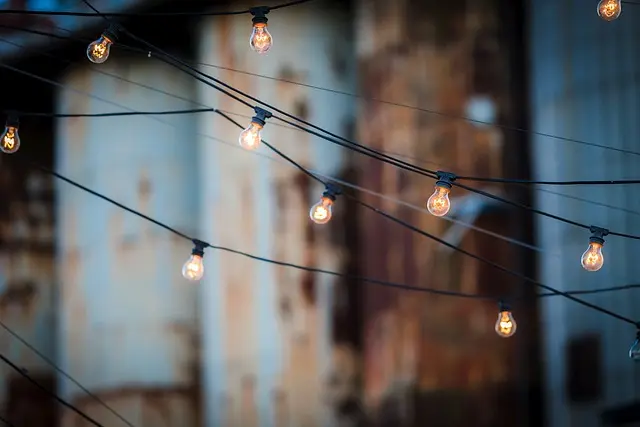
- String lights: For a whimsical or festive atmosphere during gatherings.
When choosing fixtures, consider their energy efficiency and durability, especially if they’ll be exposed to the elements. Look for options rated for outdoor use, and possibly opt for solar lighting to reduce your energy bills in the long run. We have selected several products adapted for your needs, so feel free to discover our recommendations below.
Step 3: Create a Layered Lighting Approach
A successful outdoor lighting scheme employs a layered approach to create depth and interest. Rather than relying on any single type of lighting, combine ambient (general light), task (functional light), and accent (decorative light) to achieve the best results.
- Ambient lighting: Establishes general illumination. Use it to light up the overall garden space, reducing harsh contrasts.
- Task lighting: Strategic placements are crucial, especially near outdoor cooking or dining areas for safety and usability.
- Accent lighting: Focus on specific garden features or foliage to add visual interest and emphasise the garden's natural beauty.
By layering your lighting, you create a flexible environment that caters to both relaxation and activity. This approach can drastically change the look of your garden, making it a more inviting place in the evenings.
Step 4: Consider Smart Lighting Solutions
In 2026, smart lighting solutions have become a popular choice among homeowners. These offer ultimate control over your lighting setup, allowing you to set schedules, adjust brightness, or change colours using a smart device. Not only can this enhance your garden’s atmosphere, but it can also provide practicality for security purposes.
Smart lights can be programmed to turn on at dusk and off at dawn or can be controlled remotely when you are away from home. This technology allows for customisation like having lights subtly change colours according to the seasons or time of day, creating a lively ambience that can impress your guests.
Step 5: Plan Your Wiring and Power Supply
Once you have a general layout for your outdoor lighting, the next step is planning how to power your fixtures. If you are using wired options, contact a qualified electrician to ensure your installation conforms to UK regulations. Sketch out where your power sources are located and plan cable runs to minimise visibility.
For solar lighting, location is crucial. Solar panels need access to sunlight for optimal efficiency, so ensure they are visible. Consider the sun's movements throughout the day when planning the placement. Another consideration for electrically powered setups includes the use of timers or switches, allowing you to have control over your lighting when needed.
Step 6: Test Your Lighting Scheme
After installation, it’s essential to evaluate how effective your lighting scheme is. See how your garden looks at night from various angles, adjusting the beam angles and heights of fixtures as necessary. Testing allows you to see if any adjustments need to be made. Take notes, and adjust things like height, angle, or even lean into adding additional fixtures where needed.
Don’t forget to consider the effects of light pollution, especially if you live in a densely populated area. Ensure that your garden lighting isn’t spilling into neighbours’ properties, leading to complaints. Finding a balance of light that showcases your garden while respecting the surrounding area can create a peaceful environment.
Checklist before Starting Your Lighting Project
- [ ] Assess your outdoor space and key areas to highlight.
- [ ] Choose the right fixtures focusing on efficiency and durability.
- [ ] Plan for layered lighting to achieve depth and ambience.
- [ ] Consider integrating smart lighting technologies.
- [ ] Outline a wiring plan or locations for solar panels.
- [ ] Test your lighting setup thoroughly to ensure satisfaction.
Glossary
| Terme | Définition |
|---|---|
| Ambient Lighting | General lighting that illuminates an entire area, providing soft and uniform light throughout. |
| Task Lighting | Focused lighting that assists with specific tasks, like reading or cooking outdoors. |
| Accent Lighting | Decorative lighting used to highlight particular features in a garden, such as sculptures or plants. |
> 💡 Avis d'expert : Invest in quality fixtures that are adjustable to ensure your garden can adapt to different lighting needs over time. This flexibility ensures longevity in both your lights and your design.
📺 Pour aller plus loin : How to Create Outdoor Lighting That Enhances Your Garden, a detailed look at outdoor lighting solutions. Search on YouTube:
how to create stunning outdoor lighting in 2026.
- What is the best type of lighting for outdoor spaces? The best types of lighting include ambient, task, and accent lighting, used in combination for diverse effects.
- How do I prevent light pollution from my outdoor lights? Position lights carefully and use fixtures that minimise light spill.
- Can I use solar lights in winter? Yes, but ensure solar panels receive adequate sunlight to function effectively.
- How much should I spend on outdoor lighting? The cost varies widely based on the number of fixtures and type, but plan your budget based on your garden size and desired effect.
📺 Pour aller plus loin : how to create outdoor lighting design 2026 sur YouTube
Recommended products
Selected by our experts
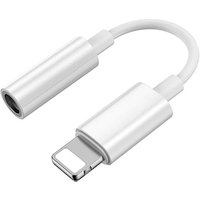
Lighting to 3.5mm Headphones Jack Adapter Aux Adapter Earbuds Headsets Converter Accessories for iphone AUX Adapter
Alibaba UK