Contents (12 sections)
Creating a sustainable lighting plan is not just about choosing energy-efficient bulbs; it’s a detailed process that involves considering your overall home environment and how light interacts with your space. Sustainable lighting helps reduce energy consumption while improving the aesthetic appeal of your home. In this guide, we’ll go through a step-by-step approach on how to develop a lighting plan that aligns with eco-friendly practices.
Step 1: Understanding Your Lighting Needs
Before diving into the specifics of designing your sustainable lighting plan, it’s crucial to conduct a comprehensive assessment of your current lighting situation and define your future needs. Start by evaluating the current fixtures in each room. Take note of how much light is needed based on the activities performed in each area. For example, kitchens often require bright, focused lighting for cooking, while bedrooms benefit more from soft, ambient light.
To quantify your needs, you may use the following checklist:
- [ ] Identify key areas (e.g., reading nook, work desk).
- [ ] Determine the type of lighting required (ambient, task, accent).
- [ ] Assess existing fixtures and their condition.
Dedicating time to this step ensures that your lighting plan will be practical and tailored to your lifestyle. Understand that a well-lit space not only improves functionality but also enhances the mood and aesthetic of your home.
Step 2: Choosing Sustainable Light Sources
Once you understand your lighting needs, the next step is to choose sustainable light sources. LEDs (Light Emitting Diodes) are one of the best options available today. They consume up to 80% less energy than traditional incandescent bulbs and last significantly longer. Moreover, consider integrating solar-powered lighting for outdoor spaces, which reduces dependency on grid electricity and can significantly lower energy bills.
Pro Tip: Look for bulbs that have the ENERGY STAR label; they meet strict efficiency guidelines set by the U.S. Environmental Protection Agency. When comparing different light bulbs, remember that while the initial investment for LED lights may be higher, the long-term savings on energy costs make them a wiser choice.
Step 3: Incorporating Natural Light
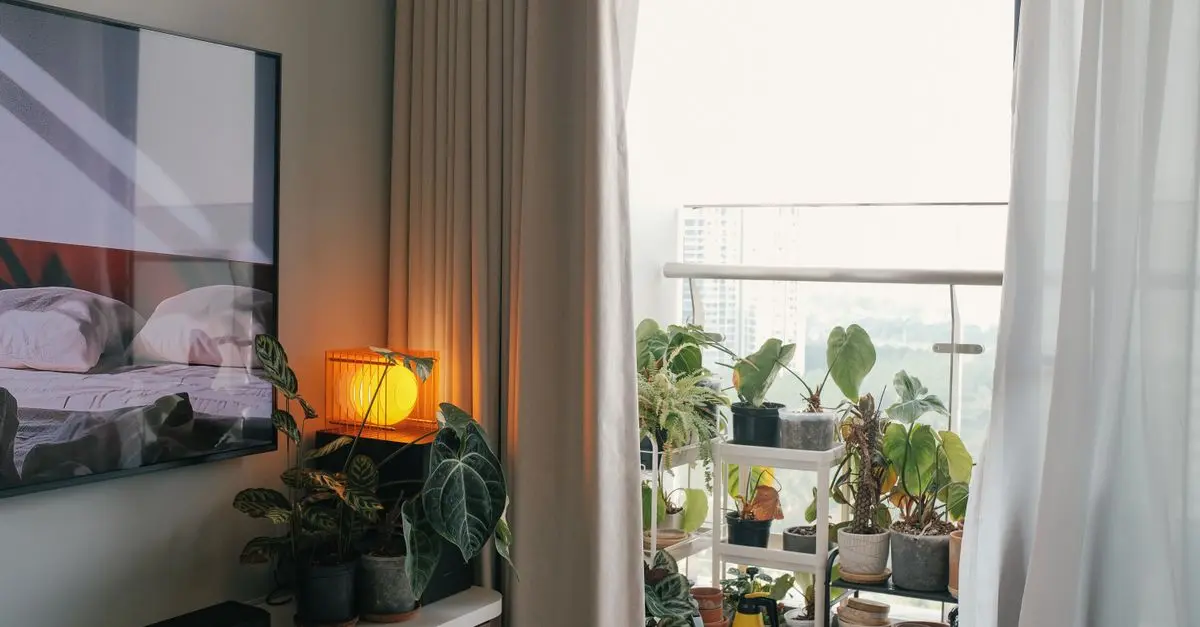
An often overlooked aspect of sustainable lighting is the effective use of natural light. Optimising daylight can reduce your reliance on artificial lighting, leading to energy savings. Consider adjusting your space: where possible, rearranging furniture to maximise natural light flow can drastically improve the brightness of your room without additional energy use.
Invest in light-coloured fabrics or paint for walls, which reflect sunlight and enhance natural illumination throughout your home. Additionally, using translucent window treatments allows more light in while providing necessary privacy. This doesn’t just enhance your space; it also contributes to a healthier indoor climate.
💡 Expert Opinion: "Using natural light effectively can decrease your energy bill significantly. During studies of homes with optimal daylight, users reported up to a 20% reduction in energy consumption per month."
Step 4: Smart Lighting Solutions
Integrating smart technology into your lighting plan is another vital step towards sustainability. Smart lighting systems allow for precise control over energy consumption through features such as dimmers, timers, and motion sensors. This ensures that lights are only on when needed.
For example, installing motion sensors in hallways and staircases can illuminate these areas only when someone is present, which significantly reduces wasted energy. Additionally, smart bulbs that can be controlled via smartphone apps let you make adjustments from anywhere, ensuring your lights are switched off when you leave the house.
Incorporating these technologies not only enhances convenience but also connects to a broader smart home ecosystem that can lead to further energy savings.
Step 5: Aesthetic Considerations
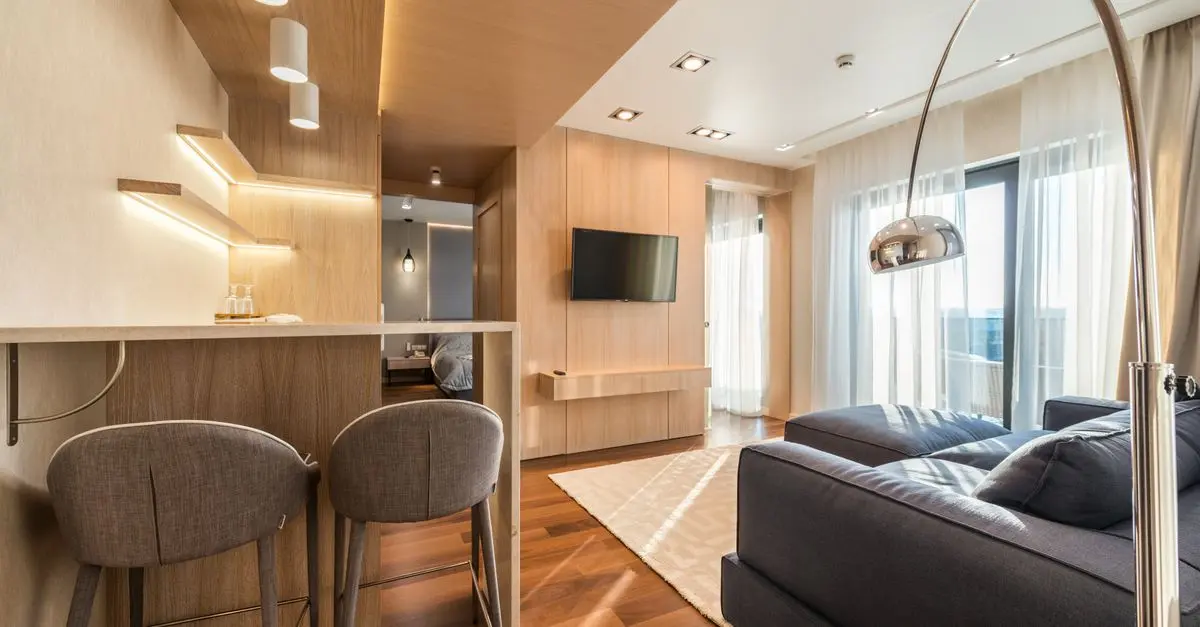
Having a sustainable lighting plan does not mean sacrificing aesthetic value. Choose fixtures that enhance the decor of your home while serving their functional purpose. Browse options that integrate eco-friendly materials such as recycled metals or sustainably sourced woods. Look for energy-efficient pendant lights, chandeliers, or track lighting that suit your style preferences.
Utilising a combination of different light types (e.g., ambient, task, and accent) will provide layers of light and enhance visual interest. Additionally, consider how the colour temperature of your bulbs can impact the feel of your space. Warmer tones create a cosy atmosphere, while cooler tones are more energising and suitable for workspaces.
Comparison Table of Lighting Options
| Lighting Type | Energy Efficiency | Lifespan | Costs | Verdict |
|---|---|---|---|---|
| LED Bulbs | High | 15,000 hrs | Moderate | Best overall option |
| Fluorescent | Moderate | 7,000 hrs | Low | Good but contains mercury |
| Incandescent | Low | 1,000 hrs | Low | Least eco-friendly |
| Halogen | Moderate | 2,000 hrs | Moderate | A step up, not ideal |
Checklist before Implementation
- [ ] Assess each room's lighting needs.
- [ ] Identify areas where natural light can be utilised.
- [ ] Choose LED or solar light sources.
- [ ] Incorporate smart lighting solutions.
- [ ] Select fixtures that suit your style and are eco-friendly.
Frequently Asked Questions
Q: What are the benefits of using LED lights?
A: LED lights are energy-efficient, last significantly longer than traditional bulbs, and are available in various styles and colour temperatures.
Q: How can I assess the right amount of lighting for my home?
A: Consider the purpose of each room. Spaces for reading or work require brighter lighting, while relaxation areas benefit from softer, ambient light.
Q: What is the role of natural light in a sustainable lighting plan?
A: Maximising natural light reduces energy consumption by lessening the need for artificial light, creating a healthier environment in your home.
Q: Are smart lighting systems worth the investment?
A: Yes, they provide convenient control, potential savings on energy bills, and can enhance the overall efficiency and comfort of your home.
Glossary
| Term | Definition |
|---|---|
| LED | A light source that uses a semiconductor to emit light and is highly energy-efficient. |
| Solar-Powered Lighting | Lighting systems that use solar energy from the sun to provide illumination. |
| Smart Lighting | Advanced lighting systems that can be controlled remotely via smart devices, offering energy-saving capabilities. |
📺 Resource Video
> For more insight: How to create eco-friendly lighting in your home, a detailed exploration of sustainable lighting solutions. Search on YouTube: "sustainable home lighting solutions".
Conclusion
Creating a sustainable lighting plan for your home may seem daunting, but by following these structured steps, you can ensure that your lighting is both functional and energy-efficient. Not only will you reduce your carbon footprint, but you will also enhance the aesthetics and comfort of your home. Take the first step today towards a well-lit, sustainable future.
📺 Pour aller plus loin : sustainable home lighting solutions sur YouTube