Contents (16 sections)
Creating a warm atmosphere in your home is essential for enhancing comfort and intimacy. One of the most effective ways to achieve this is through thoughtful warm atmosphere lighting. Lighting plays a crucial role in determining the mood and ambience of any space. In this guide, we will explore various techniques and approaches to harness lighting effectively, creating inviting environments for you and your loved ones.
1. Understanding Warm Lighting
To create a warm atmosphere, it’s important to understand what constitutes warm lighting. Warm lighting typically refers to light with a colour temperature ranging from 2700 to 3000 Kelvin. This type of lighting mimics the natural glow of sunrise or sunset, which is known to be soothing and comfortable. Unlike harsh white or cool lighting, warm lights provide a welcoming radiance that encourages relaxation. LED bulbs and incandescent bulbs are popular choices for achieving this effect. According to recent studies, spaces illuminated with warm lighting are perceived as more inviting and comforting, which can enhance social interactions and overall well-being.
2. Selecting the Right Light Fixtures
Step-by-Step Guide to Choosing Fixtures
Choosing the right light fixtures is crucial for achieving the desired atmosphere. Start by considering the following steps:
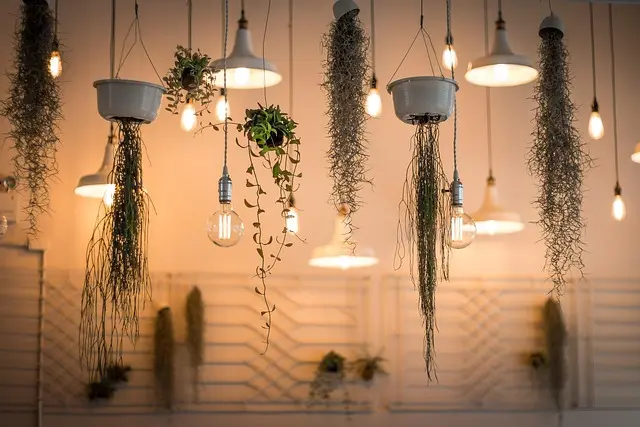
- Assess the Space: Examine the area you wish to illuminate. High ceilings may benefit from pendant lights to bring warmth down to human scale, while cozy nooks might be enhanced by floor lamps.
- Select Fixtures: Choose fixtures that complement your interior decor. For example, table lamps with warm-coloured shades diffuse light gently, creating a soft glow.
- Experiment with Styles: From rustic chandeliers to minimalist modern lamps, consider various styles to find the perfect fit.
- Test the Lighting: Before making a final decision, try different bulbs in your chosen fixtures to see how they affect the room's overall mood. Remember, dimmers can also adjust intensities, allowing for flexibility based on time and occasion.
3. Layering Your Lighting
A Multi-Layered Approach to Illumination
To create a visually appealing and functional space, layering lights is essential. This involves combining ambient, accent, and task lighting:
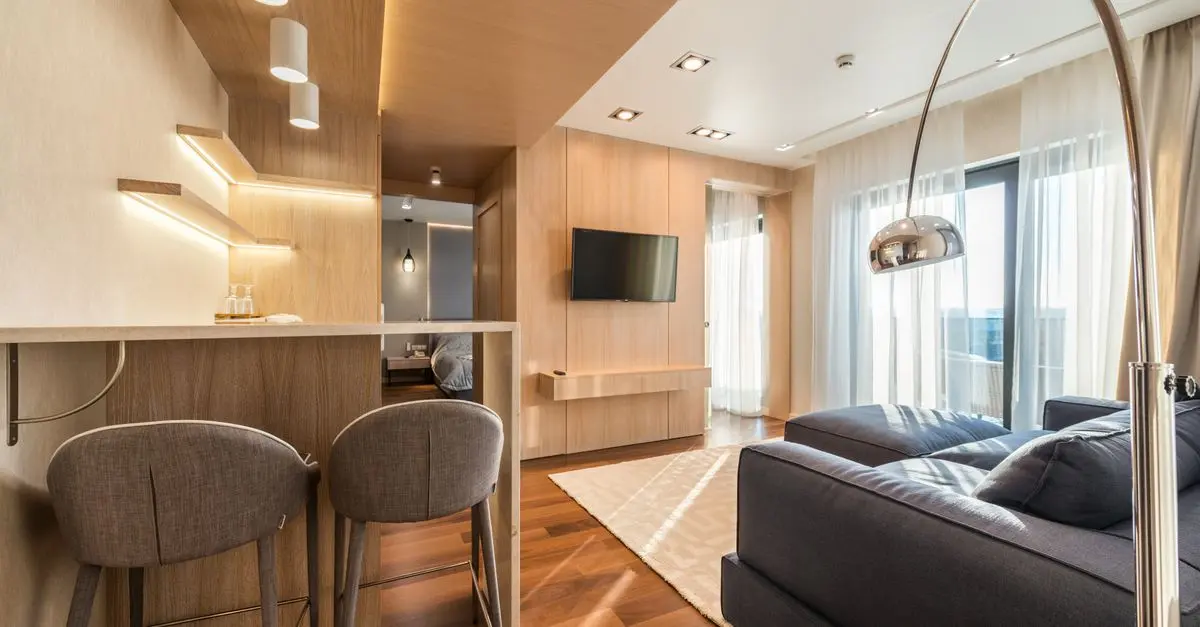
- Ambient Lighting: This is your primary light source, such as ceiling fixtures or recessed lights. Choose warm bulbs for a uniform glow.
- Accent Lighting: Highlight specific areas or decor pieces with accent lighting. Spotlights or wall sconces are excellent choices for showcasing artwork.
- Task Lighting: Ensure areas where you read or perform tasks are well-lit, using warm-coloured bulbs to maintain cohesion throughout the space.
Layering not only enhances aesthetics but also creates depth in your lighting design, making your space feel more dynamic.
4. Natural Light as an Ally
Maximising Daylight for Warmth
Natural light is a powerful tool in creating a warm atmosphere. Here’s how to make the most of it:
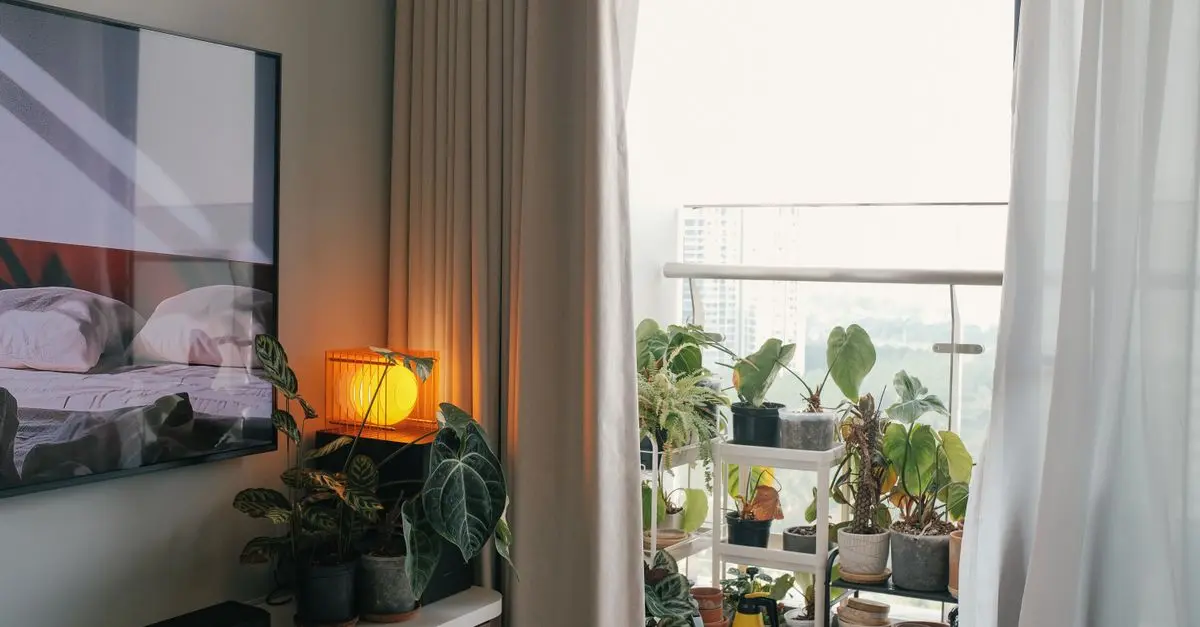
- Window Treatments: Use sheer curtains that allow sunlight to filter through. This helps in maintaining warmth while softening the light.
- Reflective Surfaces: Incorporate mirrors or light-coloured walls to reflect natural light around your space, enhancing brightness without relying solely on artificial sources.
- Plant Positioning: Position indoor plants near windows to soften the light even further while adding a touch of nature. Studies indicate that natural elements can positively impact mood and comfort.
Combining natural and artificial lighting can create a balanced warmth that feels inviting throughout the day.
5. Using Colour to Enhance Lighting Effects
The Power of Colour in Your Space
The colour of your walls and furnishings can influence how light is perceived. Warmer hues, such as soft yellows, creams, and warm greys, amplify the effect of warm lighting:
- Paint Selection: When choosing wall colours, opt for shades within the warm spectrum. Research shows that warmer colours can evoke feelings of warmth and comfort.
- Furnishings: Incorporate textiles such as cushions or throws in warm colours to complement your lighting, creating a cohesive look.
- Decorative Elements: Artwork or decor with warm tones can further enhance warmth, ensuring your overall design harmoniously integrates with your lighting choices.
6. Adjusting Brightness and Warmth
Using Dimmers and Smart Lighting
Implementing dimmers and smart lighting solutions allows you to adjust the brightness and colour temperature as needed:
- Dimmers: They provide flexibility, allowing you to brighten or dim lights according to mood or activity.
- Smart Bulbs: Consider smart LED bulbs that can change colour temperature according to the time of day. These technologies facilitate the creation of a warm atmosphere, responding intuitively to your preferences.
Adjusting your lighting can significantly affect not just the ambience but also your emotional response to your environment.
📺 Resource Video
> 📺 For further exploration: Learn how to transform your living space with lighting techniques, a comprehensive guide to ambient design. Search on YouTube: warm atmosphere lighting techniques 2026.
Checklist before implementation
- [ ] Assess existing lighting and spaces.
- [ ] Choose warm bulbs for fixtures.
- [ ] Layer ambient, accent, and task lighting.
- [ ] Maximise natural light with sheer curtains.
- [ ] Opt for warm colours in paint and decor.
- [ ] Install dimmers or explore smart lighting.
Glossary
| Term | Definition |
|---|---|
| Warm Lighting | Light that creates a comforting atmosphere, typically between 2700K to 3000K in colour temperature. |
| Ambient Lighting | A general, overall illumination in a space that provides a uniform level of light. |
| Accent Lighting | Lighting focused on a specific area or object to highlight design features or decor. |
---
📺 Pour aller plus loin : warm atmosphere lighting techniques 2026 sur YouTube