Contents (11 sections)
Creating an effective lighting plan for your home is an essential aspect of interior design that significantly enhances not just the aesthetics but also functionality and comfort. Good lighting can transform a room, setting the mood and highlighting architectural features or artwork. In this guide, we will help you understand how to develop a tailored lighting plan that meets your specific needs and complements your home’s style.
1. Understanding the Importance of a Lighting Plan
A lighting plan is not merely about placing light fixtures in various spots around the home. It requires a thoughtful approach that considers the purpose of each space, the natural light available, and the tasks that will be performed in those areas.
Proper lighting can reduce eyestrain, affect mood positively, and even impact productivity. According to studies by The Lighting Research Center, appropriate lighting can enhance learning and focus, especially in study areas. Therefore, it's crucial to start by assessing each room's needs and understanding how lighting interacts with colours and textures. Consider using multiple layers of light, including ambient, task, and accent lighting, to create a well-rounded illumination scheme. Each of these layers serves a unique purpose; ambient lighting provides a uniform level of illumination, task lighting helps illuminate specific areas for activities like reading or cooking, and accent lighting highlights design elements or artwork.
2. Assessing Your Space
Before diving into design, take a moment to assess the spaces in your home. Walk through each room and note how you use it and what lighting challenges exist. Pay attention to:
- Natural Light Availability: Observe how much natural light each room receives throughout the day. Areas with ample daylight may require less artificial light.
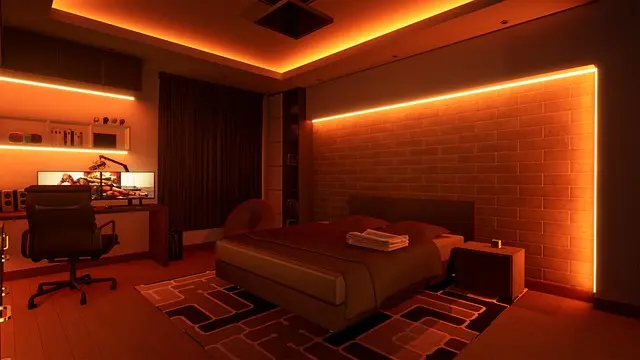
- Room Functions: Different rooms have different lighting needs. For example, softer lights in a bedroom create a relaxing ambience, while brighter task lighting is essential for kitchens and home offices.
- Current Fixtures: Evaluate your existing lighting fixtures. Are they appropriately placed? Do they meet your current needs? Sometimes, minor adjustments can go a long way!
3. Choosing the Right Fixtures
Once you’ve assessed your space, it's time to choose the right fixtures. When selecting, consider:
- Style: Lighting should complement your home's decor. Modern, minimalist fixtures work great in contemporary spaces, while chandeliers may enhance traditional interiors.
- Functionality: Some fixtures serve dual purposes. A pendant light can function as a statement piece while providing task lighting.
- Energy Efficiency: Opt for energy-efficient options such as LED lamps which not only reduce energy consumption but also have a significantly longer lifespan compared to traditional bulbs.
- Height and Scale: Ensure fixtures are properly scaled for the space. Overly large fixtures can overpower a small room, while tiny lights can appear insignificant in larger spaces.
Key Considerations:
- Dimming Options: Choosing fixtures with dimmable features offers versatility.
- Smart Lighting: Consider smart bulbs or systems which allow you to adjust brightness and colour remotely. They can elevate the functional aspect of your lighting plan, enabling scheduling and automation.
4. Creating a Lighting Layout
With a clear understanding of your space and fixture choices, you will next create a lighting layout. Use graph paper or design software to map out:
- The locations of each fixture in relation to the room's various functions.
- How different lights will interact (for instance, ensuring there isn’t too much ambient light in a workspace that could cause glare on screens).
- Using a mix of ceiling lights, floor lamps, and table lamps to create inviting spaces with layered illumination. A well-thought-out layout will enhance functionality while ensuring every corner of the room is considered.
5. Installation and Adjustment
With your design in hand, it's time to install the fixtures. Depending on your skills, you may choose to do this yourself or hire professionals. Ensure that the fixtures are installed according to safety standards and local regulations.
- Testing the Plan: Once installed, walk through each space with the lights turned on. Adjust the position slightly if necessary, or change bulbs if they aren't producing the intended effect.
- Consider Seasonal Changes: Remember that the quality of natural light changes with seasons; you may need to adjust your plan accordingly throughout the year.
Checklist Before You Finalise Your Plan
- [ ] Assess the natural light levels in each room.
- [ ] Identify the main activities that will take place in each space.
- [ ] Choose lighting fixtures based on style and function.
- [ ] Map out a lighting layout highlighting the placement of each fixture.
- [ ] Ensure energy efficiency is considered in your fixture choices.
Conclusion
A thoughtful and well-structured lighting plan can dramatically enhance the feel and function of your home. By following this step-by-step guide, you are well on your way to creating a lighting plan that is ideal for your lifestyle. Take your time in assessing your needs, experimenting with fixtures, and don’t hesitate to make adjustments as you go along.
Glossary
| Term | Definition |
|---|---|
| Ambient Lighting | Overall lighting that illuminates an entire area evenly. |
| Task Lighting | Specific lighting designed to illuminate a particular area for tasks such as reading or cooking. |
| Accent Lighting | Lighting that highlights particular features, artworks, or architectural elements in a space. |
📺 Resource Video
📺 For further guidance: How to Create an Effective Lighting Plan, an in-depth tutorial on lighting strategies. Search on YouTube: "how to create a home lighting plan 2026".
📺 Pour aller plus loin : how to create a home lighting plan 2026 sur YouTube