Contents (10 sections)
Creating the perfect lighting plan for your home is essential for enhancing both its aesthetic appeal and functionality. An effective lighting plan not only improves the ambience but also ensures that specific areas of your home serve their intended purpose optimally. This guide will walk you through the steps of designing a lighting plan that suits your unique needs and style.
1. Understand the Basics of Lighting
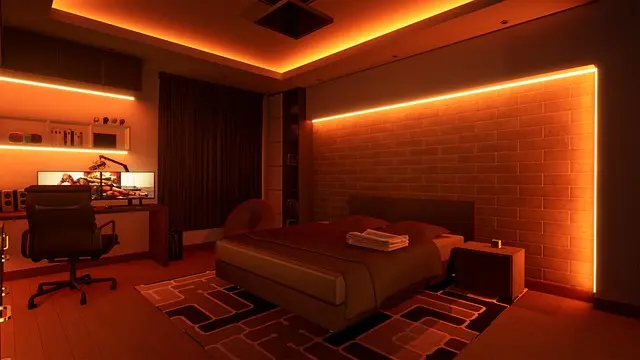
Before diving into the specifics, it’s crucial to understand the three main types of lighting: ambient, task, and accent lighting. Ambient lighting provides overall illumination to a space and is typically the base layer of your lighting plan. This could include ceiling lights or recessed lighting. Task lighting focuses on specific activities, such as reading or cooking, often employed through table lamps or under-cabinet lights. Lastly, accent lighting is used to highlight particular objects or areas, such as artwork or architectural features. Knowing how these types interact will guide your decisions when allocating lighting in your home.
2. Assess Your Space
Start by assessing each space in your home. Consider the size, layout, and colour scheme of your rooms, as these factors will influence your lighting choices. Rooms with darker colours might require brighter lighting to create balance, while larger spaces may benefit from layered lighting techniques. Measure the room dimensions and take notes on how light enters the spaces throughout the day. Virtual design tools or lighting apps can assist in visualising the impact of different lighting effects. Common mistakes include placing fixtures without considering the space’s traffic flow or neglecting to account for windows that affect natural light.
3. Determine Lighting Needs
Next, think about how each room is used and what activities take place. In the kitchen, for example, your task lighting should help food preparation, while ambient lighting will create a welcoming atmosphere for dining. In contrast, a living room might blend task lighting for reading with accent lighting to highlight decorative elements. Once you identify the functions of each room, you can tailor your lighting plan to fit those needs. Tip: Create a list for each space detailing specific lighting that enhances its function and mood.
4. Choose Your Fixtures Wisely
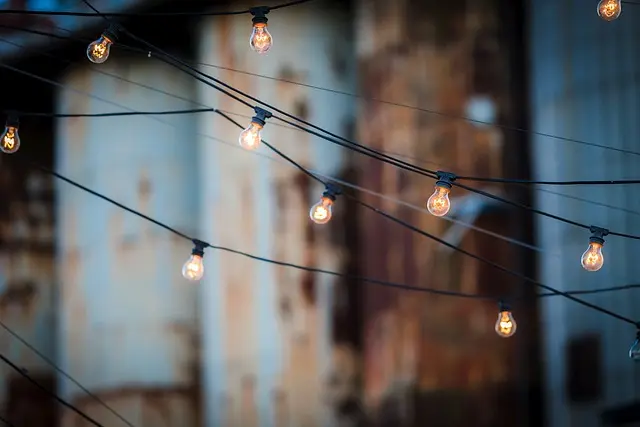
When selecting fixtures, consider both style and function. Pendant lights, chandeliers, recessed lighting, and floor lamps all contribute differently to a space. Choose fixtures that complement your home's décor and architectural style. Brand options such as John Lewis, IKEA, and B&Q offer varied price ranges and styles, making it easier to find the right fit for any budget. The wattage and type of bulbs are also critical; for instance, LED lights are energy-efficient and long-lasting while providing excellent brightness. Avoid choosing styles that do not match the room’s purpose; for example, a sleek modern fixture might not suit a rustic room theme.
5. Incorporate Smart Lighting Solutions
In the age of technology, integrating smart lighting solutions can greatly enhance your home’s lighting plan. Systems like Philips Hue or LIFX allow you to adjust lighting remotely or with a timer through your smartphone or voice-controlled devices. These systems can change colours, adjust brightness, and create tailored settings for different moods or occasions. Additionally, smart lighting can be energy-efficient, as it reduces electricity usage when not needed. The learning curve might pose a challenge for some users, so referring to tutorials or manufacturer guidelines can ease the process.
6. Create a Lighting Layout
Plan your lighting layout on paper, using sketches or software to visualize the arrangement of fixtures and their distribution. Establish the placement, height, and spacing of lights for an even and functional spread. Generally, the rule of thumb for ceiling fixtures is to have them about 7–8 feet above the floor. Ensure that task lights are appropriately placed for optimal use, and avoid harsh shadows from overhead fixtures when seated. A common error is neglecting to consider dimmers, which can greatly enhance the flexibility of your lighting.
7. Test Your Lighting Setup
Once your fixtures are in place, it’s time to test your lighting setup. This will help you assess whether the plan meets your initial goals and allows for adjustments. Dim lights in the living area for a movie night, or increase task lighting in the kitchen for cooking. Pay attention to how the lighting interacts with the room's natural light throughout the day. Make notes on adjustments needed, such as historical light placement or bulb changes for improved effect. This stage is vital to ensure your lighting achieves the intended atmosphere and utility.
Lighting Plan Checklist
- [ ] Define ambient, task, and accent lighting.
- [ ] Measure each room for lighting needs.
- [ ] Identify primary activities in each space.
- [ ] Select appropriate fixtures and bulbs.
- [ ] Integrate smart solutions where applicable.
- [ ] Design a detailed lighting layout.
- [ ] Test and adjust your lighting setup.
Glossary
| Terme | Définition |
|---|---|
| Ambient Lighting | Overall illumination in a room, providing general visibility. |
| Task Lighting | Focused light for specific activities, like reading or cooking. |
| Accent Lighting | Decorative lighting that highlights features or artwork. |
> 📺 Pour aller plus loin : How to Design Your Home Lighting, a comprehensive analysis of creating light-filled spaces. Recherchez sur YouTube : "lighting design ideas 2026".
🧠 Quiz rapide : What is the primary function of task lighting?
- A) To provide overall illumination
- B) To highlight art
- C) To assist with specific tasks
Réponse : C — Task lighting is focused on helping with activities like reading or cooking.
📺 Pour aller plus loin : lighting design ideas 2026 sur YouTube