Contents (12 sections)
Creating the ideal lighting scheme for your home is more than just selecting a few light fixtures. A well-thought-out lighting scheme can significantly enhance both the functionality and aesthetic of your living spaces. Whether you're renovating, updating, or building anew, it’s essential to understand your lighting options, the mood you wish to create, and how to implement those effectively while abiding by energy standards.
1. Understand the Different Types of Lighting
Before diving into design, it’s crucial to grasp the fundamental types of lighting: ambient, task, and accent.
- Ambient lighting serves as the general illumination of a room, crucial for everyday activities and ensuring safety. Examples include ceiling fixtures, chandeliers, or pot lights.
- Task lighting is dedicated to specific activities, providing concentrated brightness usually where you need it most. Examples are desk lamps or under-cabinet LEDs in kitchens.
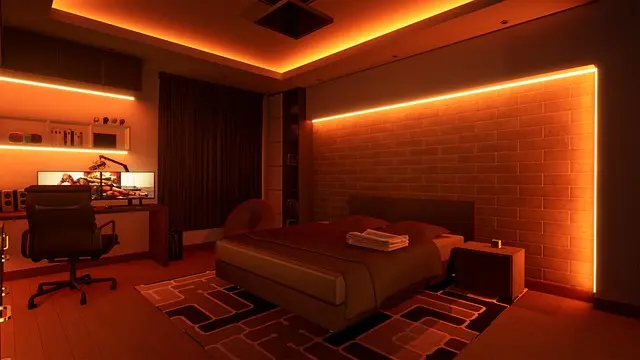
- Accent lighting helps highlight focal points in a space, enhancing aesthetics and creating interest with wall sconces or spotlights. Understanding these categories will help you create a balanced lighting scheme that meets all your needs.
2. Evaluate Your Space and Needs
Every room in your home has unique requirements that reflect its use. Assess each room by considering:
- The room’s function: What activities will take place here?
- Natural light sources: Note how much daylight the room receives, and factor in seasonal changes.
- Existing furniture and decor: Consider how light will interact with these elements.
For example, a kitchen may require brighter task lighting for food preparation, while the lounge might benefit from softer, ambient lighting to create a cosy atmosphere.
3. Create a Layered Lighting Plan
A successful lighting scheme combines all three types of lighting in layers—this not only adds dimension but also improves functionality.
Start with ambient lighting, then add task lighting where necessary. Finally, sprinkle in accent lighting for visual interest. To illustrate:
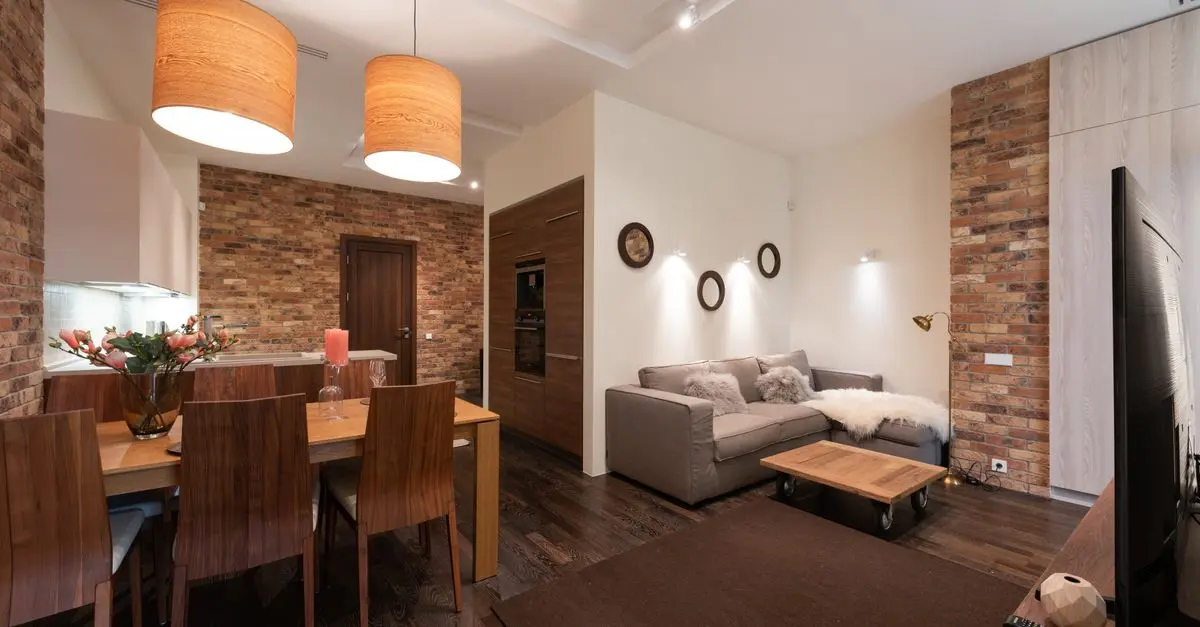
- In a living room, apply recessed ambient lighting, overlay with a floor lamp for task work like reading, and use a spotlight on artwork for accent. This layered approach will allow you to enhance the beauty of the room and serve multiple activities effectively.
4. Choose the Right Fixtures and Bulbs
Selecting fixtures and bulbs that complement the overall design of your space is paramount. Here are some tips:
- Match fixture styles with your home’s decor: Opt for sleek designs in modern homes, or ornate fixtures for traditional styles.
- Consider the bulb type like LED, CFL, or incandescent—LEDs are energy-efficient and long-lasting, making them the most recommended.
- Choose the correct colour temperature (measured in Kelvin); warmer tones are inviting and intimate, whereas cooler tones are excellent for tasks.
A common error is mismatching the lighting type to the function of the room; proper research and shopping are essential.
5. Employ Smart Technology
In today's world, integrating smart technology into your lighting scheme can significantly enhance convenience and flexibility. Smart lighting systems allow you to:
- Control brightness with dimmers or apps
- Set schedules for your lights to optimise energy usage
- Use voice commands with devices like Amazon Alexa or Google Home
Research shows that homes with smart lighting can experience a 30% reduction in energy consumption compared to standard setups. This not only reduces bills but is also environmentally friendly.
6. Budget and Consider Installation
Determine your budget early, as it affects the choices you’ll make throughout the process. Consider costs like fixtures, bulbs, and potential installation fees. While DIY may save money, certain installations—like recessed lighting—should be handled by a professional to ensure safety and compliance with regulations.
Also, setting aside a portion of your budget for unforeseen expenses can prevent stress later.
7. Test Before You Finalise
Before fully committing to your lighting scheme, test the fixtures. Use temporary setups, review how each light fixture interacts with the space and adjust placements as needed. Take time to experience how the room feels during different times of the day to ensure your scheme meets your needs.
8. Maintain Your Lighting Scheme
Once installed, keeping your lighting system in optimal condition is crucial. Regularly check fixtures for dust, ensure bulbs are replaced when burnt out, and reassess the effectiveness of your lighting scheme seasonally. This helps you ensure that you always have the right atmosphere in your home.
📺 Resource Video
> 📺 For more insights: How to Transform Your Home Lighting, an in-depth guide on creating the perfect environment. Search on YouTube: how to choose lighting for your home 2026.
Checklist Before Creating Your Lighting Scheme
- [ ] Identify ambient, task, and accent requirements
- [ ] Assess each room’s functionality
- [ ] Choose appropriate fixtures and technologies
- [ ] Establish a budget
- [ ] Plan installation wisely
Glossary
| Term | Definition |
|---|---|
| Ambient Lighting | General lighting that illuminates a room evenly. |
| Task Lighting | Focused light for activities like reading or cooking. |
| Accent Lighting | Decorative light that highlights features or art. |
> 🧠 Quick Quiz: What type of lighting is best for reading?
> - A) Ambient Lighting
> - B) Task Lighting
> - C) Accent Lighting
> Answer: B — Task lighting offers the concentrated brightness needed for reading effectively.
📺 Pour aller plus loin : Lighting Trends for 2026 That Will Change How Your Home Feels sur YouTube