Contents (16 sections)
Creating a well-lit home can deeply influence your mood, functionality, and overall ambience. Layered lighting—a design concept that combines various light sources—can create incredible visual appeal and versatility in your space. In this guide, we will explore effective ways to implement layered lighting in your home, ensuring each area is beautifully catered for.
What is Layered Lighting?
Layered lighting involves using different types of lighting at various levels to enhance both aesthetics and functionality. The three primary types of layered lighting are ambient, task, and accent lighting. Ambient lighting provides general illumination to the entire room, making it safe and comfortable. Task lighting focuses on specific areas where activities are performed, such as a desk or kitchen counter. Lastly, accent lighting is primarily decorative, highlighting artwork, architectural features, or plants.
Understanding the importance of layered lighting is crucial: it allows flexibility to change the mood of a space easily. According to the Lighting Research Center, effective layered lighting can increase productivity and improve emotional well-being.
Step 1: Assessing the Space
Before implementing layered lighting, evaluate each room's size, shape, and primary activities performed within it. Walk through your home and identify how each space is currently lit and what changes can enhance the ambience. Is there sufficient lighting for activities such as reading or cooking? Is it too bright in areas intended for relaxation? Consider taking notes on these aspects and make a basic plan for your lighting setup.
Pro Tip: Take Photos
Capture images of your rooms from various angles. This visual reference will help you compare existing lighting placements with new suggestions and ensure you don’t miss any elements during your assessment.
Step 2: Choosing Your Lighting Fixtures
Selecting the right fixtures is a key element in achieving effective layered lighting. Here are the categories of fixtures to consider:
- Ceiling mounted lights (for ambient lighting)
- Wall sconces (for accent lighting)
- Table and floor lamps (for task lighting)
- Recessed lighting (for versatile ambient and task lighting)
When choosing fixtures, consider the overall style of your home. For instance, if your home reflects a modern aesthetic, sleek LED fixtures may be appropriate. Alternatively, traditional homes may benefit from ornate chandeliers or vintage lamps. Mixing styles can also work, but aim for harmony to maintain visual coherence.
Step 3: Layering the Light
With your fixtures chosen, it's time to layer the lighting. Begin by establishing your ambient lighting using ceiling fixtures or recessed lighting. On top of this, incorporate task lighting in areas where you'll need focused, direct light. This may include placing desk lamps on study tables, pendant lights over kitchen islands, or adjustable spotlights on your workspace.
Common Mistakes to Avoid:
- Over-lighting: Too much light can create an unwelcoming environment, so ensure your ambient lighting is warm and inviting.
- Under-lighting: Conversely, poorly lit areas can lead to frustration during activities like cooking or reading.
Step 4: Incorporate Dimmers and Smart Controls
Dimmers are an excellent addition to any layered lighting scheme. They allow you to adjust the brightness of your ambient light based on your activities or mood. Smart lighting systems take this a step further, allowing you to control your lighting remotely or set schedules through smartphone applications. Statistics from Research and Markets indicate that smart lighting solutions are projected to grow by 26.2% annually through 2027.
Pro Tip: Combination Solutions
Consider using smart dimmers that are compatible with existing fixtures. This can provide a modern element to your traditional lighting features without needing complete replacement.
Step 5: Adding Accent Lighting
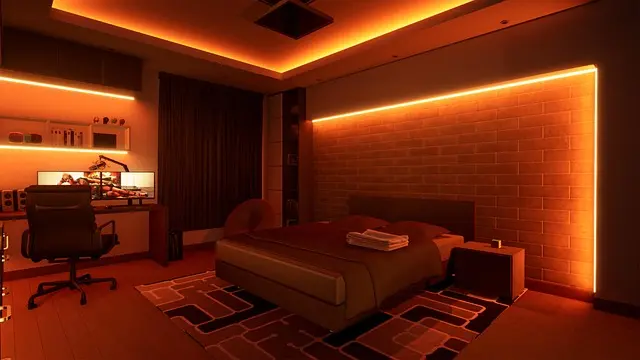
Finally, accent lighting can bring personality and style to your home. Use spotlights to highlight artwork, shelves, or interesting furniture. Consider LED strip lights to illuminate architectural features such as ceilings or backlit mirrors in bathrooms.
Example:
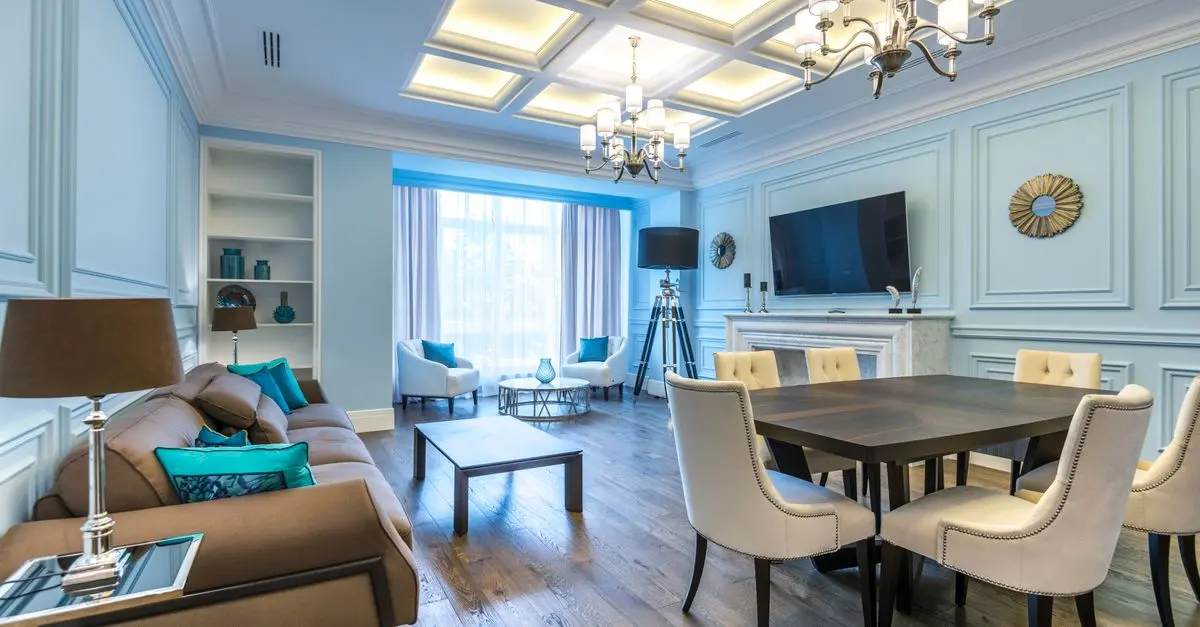
In living rooms and dining areas, placing a spotlight on a significant piece of art can enhance its impact while adding a sophisticated touch to the overall lighting scheme.
Comparison of Lighting Options
| Fixture Type | Purpose | Pros | Cons |
|---|---|---|---|
| Ceiling Mounted | Ambient Lighting | General illumination | Can be harsh if overused |
| Table Lamps | Task Lighting | Flexible and decorative | Limited coverage |
| Wall Sconces | Accent Lighting | Adds depth and interest | Requires wall space |
| Recessed Lighting | Ambient/Task | Space-saving, versatile | Complex installation |
When assessing which fixtures to use, weigh their pros and cons and select the best fit for your specific needs.
📺 Resource Video
> 📺 For further insights: Explore how to create the ideal lighting scheme for every room in your home. Search on YouTube: 'layered lighting guide'.
Checklist before Your Lighting Makeover
- [ ] Assess the existing lighting in each room
- [ ] Select appropriate fixtures for ambient, task, and accent lighting
- [ ] Consider implementing dimmers
- [ ] Incorporate smart lighting solutions
- [ ] Plan the layering arrangement for each space
Glossary
| Term | Definition |
|---|---|
| Ambient Lighting | General illumination that fills the space. |
| Task Lighting | Focused light for specific activities. |
| Accent Lighting | Decorative light that highlights features. |
🧠 Quick Quiz
> What is the primary purpose of task lighting?
- A) To fill the room with light
- B) To highlight art pieces
- C) To provide focused illumination for activities such as reading
Answer: C — Task lighting is essential for enhancing visibility in dedicated workspaces.
📺 Pour aller plus loin : layered lighting guide sur YouTube