Contents (10 sections)
In today's world, the integration of technology into our daily lives has become increasingly prevalent. One area where this is particularly evident is in home lighting. Smart lighting solutions offer a modern approach to improving convenience, security, and energy efficiency in your home. But, what exactly is smart lighting?
H2: Understanding Smart Lighting Solutions
Smart lighting refers to a system of lighting controlled by technology to automate or enhance light settings. These solutions often include features like remote control via smartphones, scheduling options, colour changing capabilities, and integration with smart home ecosystems. The main benefits of smart lighting include:
- Convenience: Smart lights can be controlled remotely or through voice commands, making it easier to manage home lighting without needing to physically interact with switches.
- Energy Efficiency: According to the International Energy Agency, smart lighting can reduce energy consumption by up to 40%, helping you save on electricity bills.
- Enhanced Security: Smart lighting can be programmed to simulate presence at home, deterring potential intruders.
- Customisation: Users can choose different lighting tones and intensities for various occasions or moods.
H2: Step 1 – Assess Your Lighting Needs
Before diving into smart lighting solutions, assess your existing lighting setup. Evaluate which areas of your home need improvement and how you want to use smart lights. Consider factors such as
- Room Functionality: Living rooms may require warm lights for relaxation, while workspaces might benefit from brighter, cooler tones.
- Energy Consumption: Identify high-energy areas—switching to smart LEDs can significantly reduce energy use.
- Existing Fixtures: Check compatibility with existing fixtures; some smart bulbs fit regular sockets, while others may require specific fittings.
To make the best decisions, note down your findings and prioritise areas that could gain the most benefit from enhancement.
H2: Step 2 – Choose the Right Smart Lighting System
With numerous options available, choosing the right smart lighting system is pivotal. The main types include
- Smart Bulbs: These can replace regular bulbs and often offer various colour options and brightness levels. Brands like Philips Hue and LIFX lead this segment.
- Smart Light Switches: These replace traditional switches and can control standard lights, giving you smart control over your existing fixtures.
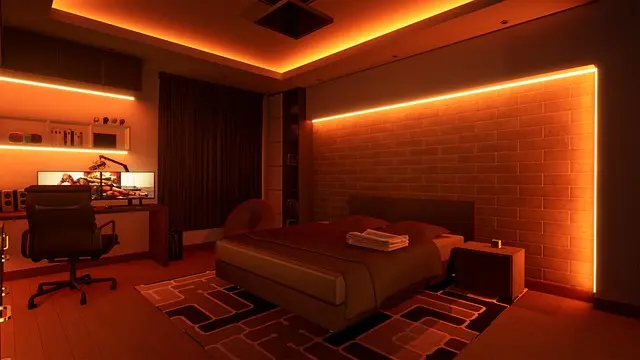
- Smart LED Strips: Flexible strips can add dynamic lighting under cabinets, around furniture, or in entertainment systems.
When selecting, consider compatibility with your home’s Wi-Fi network or voice assistant (like Amazon Alexa or Google Assistant). Check user reviews and expert opinions to gauge reliability and functionality.
H2: Step 3 – Installation and Set-Up
Once you have your smart lighting products, the next step is installation. Here’s how:
- Read the Manuals: Before starting, read the installation manuals carefully to understand how each product works.
- Install: For smart bulbs, simply replace your existing bulbs. Smart switches may require basic electrical work—you might need an electrician if you’re unfamiliar with electrical systems.
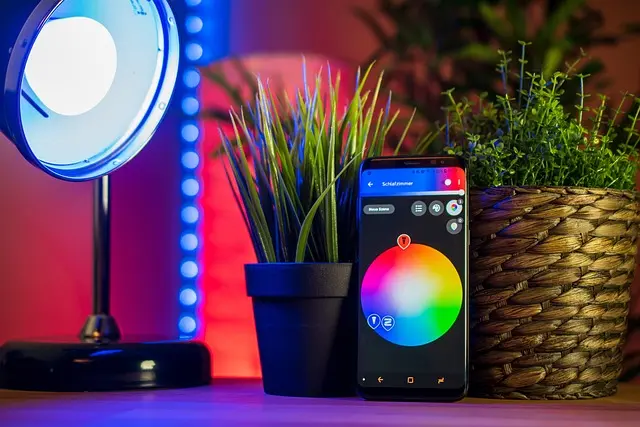
- Download the App: Most smart lighting products come with a dedicated app. Download it and follow the setup instructions to connect everything to your Wi-Fi network.
- Integration: If using a voice assistant, integrate your smart lighting into the system for voice control capabilities.
After installation, ensure that the lights respond correctly to commands and troubleshooting as needed.
H2: Step 4 – Customise Your Lighting Experience
Once everything is installed, it’s time to set up your lighting preferences. You can:
- Schedule Lights: Program lights to turn on and off at specific times, keeping your home illuminated when needed.
- Create Scenes: Set different lighting scenes for various activities, like movie time, reading, or dinner parties, where you can adjust ambient light levels to suit the moment.
- Experiments with Colour: Start using colour commands for parties or to create moods, making your space more inviting and lively.
Remember to keep experimenting with settings until you find what works best for your daily routine and enjoys the ability to switch things up whenever you feel like a change.
H2: Step 5 – Monitor and Optimize
It’s important to monitor your energy use with smart lighting. Many systems offer analytics that shows energy consumption. This allows you to:
- Identify High Use Areas: Determine where you might need adjustments. For example, if a specific room uses too much energy, reconsider your light settings.
- Modify for Savings: Change schedules, utilise dimming features, and optimise your lighting for the least energy wasting.
💡 Expert Insight: According to a report from UFC-Que Choisir, homes that actively utilise smart lighting solutions saw an average savings of 20-30% on their electricity bills over a year.
📋 Checklist before implementing Smart Lighting:
- [ ] Assess lighting needs in each room
- [ ] Decide on smart light products to buy
- [ ] Review installation instructions
- [ ] Download necessary apps
- [ ] Set schedules and scenes
📺 Resource Video
For further insights: Explore a comprehensive guide on smart lighting solutions and installation tips. Search on YouTube: smart lighting solutions installation guide 2026.
Glossary
| Terme | Définition |
|---|---|
| Smart Lighting | A technology that allows lighting control through smart devices. |
| Energy Efficiency | The use of less energy to provide the same service. |
| Voice Control | A feature that allows users to operate devices through voice commands. |
> 🧠 Quick Quiz: Which of the following is a benefit of smart lighting?
> - A) Increased Energy Costs
> - B) Enhanced Convenience
> - C) Limited Control
> Answer: B — Enhanced Convenience, as smart lighting allows for remote and efficient management of home lights.
📺 Pour aller plus loin : smart lighting solutions installation guide 2026 sur YouTube