Contents (9 sections)
Colour temperature lighting is essential in establishing the right atmosphere in a space. Whether you're aiming for a warm and inviting home environment or a bright and energetic workspace, understanding colour temperature can significantly impact how a room feels and functions. This guide will give you a practical overview of how to effectively utilise colour temperature in your lighting design.
1. Understanding Colour Temperature
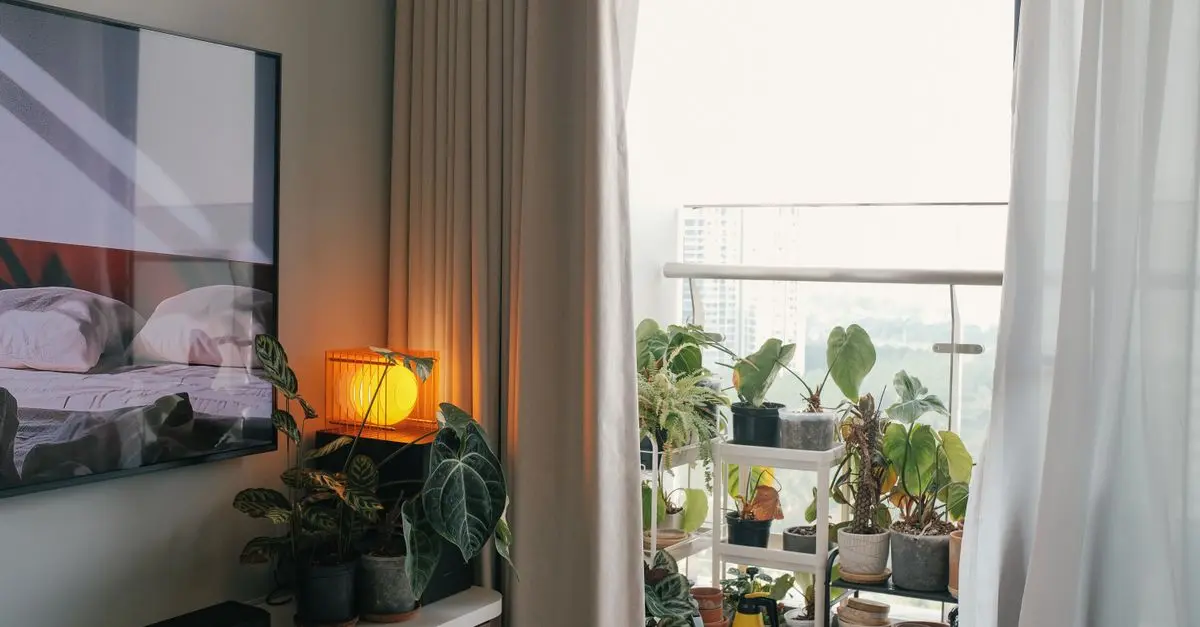
Colour temperature is measured in Kelvin (K), and it describes the appearance of the light emitted by a bulb. The scale ranges from warm (around 2000K to 3000K) to cool (4000K to 6000K and beyond). Understanding this spectrum is crucial; it allows you to tailor the lighting to suit different activities and moods. For instance, warm lighting (about 2700K) is often used in residential spaces to create a relaxing atmosphere, making it ideal for living rooms and bedrooms. In contrast, brighter, cooler tones (5000K or above) are commonly used in offices and workspaces to promote focus and productivity.
2. Choosing the Right Colour Temperature for Different Spaces
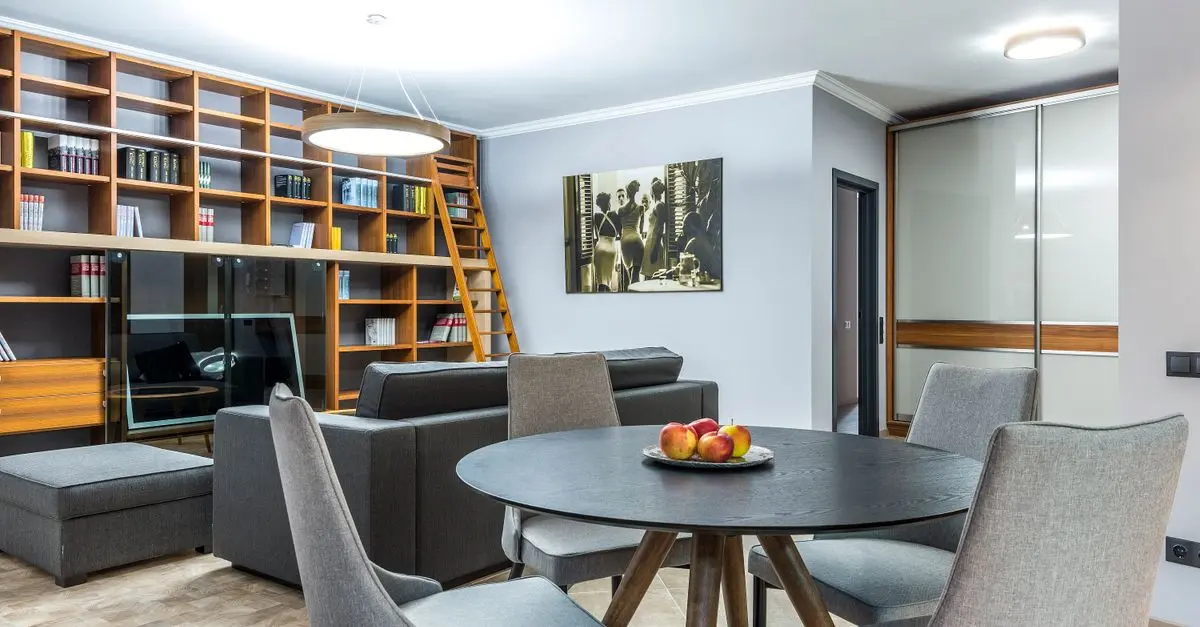
Once you comprehend the various colour temperatures, the next step is selecting the right one for your particular space. First, consider the function of the room. For example, kitchens and bathrooms benefit from cooler lights, which enhance visibility and cleanliness, ideal for tasks like cooking or grooming. Conversely, areas intended for relaxation or entertainment, like lounges or dining rooms, should utilise warm lighting to foster comfort. Including dimmable options is also beneficial as it provides versatility and allows you to adjust the ambiance according to the time of day or specific activities.
3. Practical Steps to Implement Colour Temperature in Your Lighting Design
To effectively implement colour temperature in your lighting design, follow these steps:
- Assess the Space: Study the layout and function of the room. Note how natural light changes throughout the day.
- Determine Activities: Establish what activities will take place in the room. This will guide your choice of colour temperature.
- Select Appropriate Bulbs: Choose bulbs that match your desired colour temperature. Look for labels on packaging specifying the Kelvin rating.
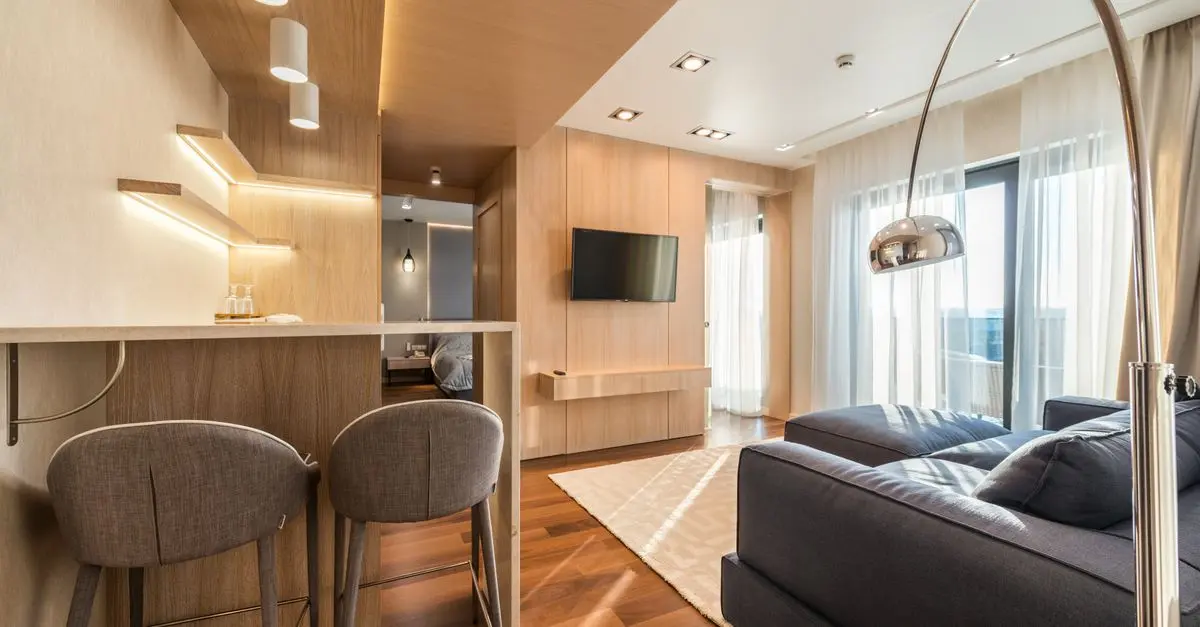
- Layer Your Lighting: Don’t rely solely on one light source. Use a combination of ambient, task, and accent lights. For instance, a warm pendant light can illuminate a dining table while cooler spotlights accentuate artwork.
- Test the Lighting: Before finalising your setup, test different lighting combinations at different times of the day to ensure it meets your expectations.
4. Common Mistakes to Avoid in Colour Temperature Lighting
When designing lighting with colour temperature, there are several pitfalls to be wary of. A common mistake is to use too many different colour temperatures in a single space, which can create a disjointed feeling. Aim for consistency to maintain a harmonious atmosphere. Additionally, inadequate layering can lead to poorly lit areas, diminishing functionality. It’s also crucial not to overlook the effect of natural light; the colour temperature of daylight changes throughout the day and can influence how artificial lighting appears.
5. Creating Balance with Colour Temperature
Achieving a balanced look in colour temperature involves more than just choosing the right bulbs. Consider the room's existing colours and finishes. For instance, warm wood tones pair beautifully with warmer lights, while cooler paint shades might benefit from a cooler light source to enhance their vibrancy. Regularly evaluate your lighting based on seasonal changes and how they affect your space’s overall feel.
📺 Ressource Vidéo
> 📺 Pour aller plus loin : Understanding Colour Temperature and its Impact on Your Space, une analyse complète de comment les différents températures de couleur affectent l'ambiance dans votre maison. Recherchez sur YouTube : colour temperature lighting guide.
| Criterion | Warm Lighting (2700K) | Neutral Lighting (3500K) | Cool Lighting (5000K) | Verdict |
|---|---|---|---|---|
| Mood Setting | Relaxing and cosy | Balanced and versatile | Clear and stimulating | Depends on room use |
| Best Use | Living rooms, bedrooms | Kitchen, dining | Offices, workshops | Consider functionality |
| Preferred Bulbs | Incandescent, warm LED | Halogen, neutral LED | Daylight LED, fluorescent | Match with decor |
| Energy Efficiency | Lower compared to cooler | Moderate | Higher | Decide based on usage |
Glossaire
| Terme | Définition |
|---|---|
| Colour Temperature | Mesurée en Kelvin, elle décrit l’apparence de la lumière émise par une ampoule. |
| Warm Lighting | Lumière avec une température généralement inférieure à 3000K, créant une ambiance accueillante. |
| Cool Lighting | Lumière avec une température supérieure à 4000K, favorisant la clarté et la concentration. |
> 🧠 Quiz rapide : What colour temperature is best for a bedroom?
> - A) 6000K
> - B) 3000K
> - C) 4000K
> Réponse : B — Warm lighting at 3000K promotes relaxation.
📺 Pour aller plus loin : colour temperature lighting guide sur YouTube