Contents (11 sections)
Understanding the Importance of Natural Light
Natural light doesn't just illuminate a space; it uplifts mood, saves energy, and enhances interior aesthetics. Providing adequate natural light is essential for boosting productivity and promoting well-being. Dimming artificial lights and allowing sunshine can, according to ADEME, reduce energy bills significantly and contribute to a sustainable environment.
Step 1: Evaluate Your Current Light Sources
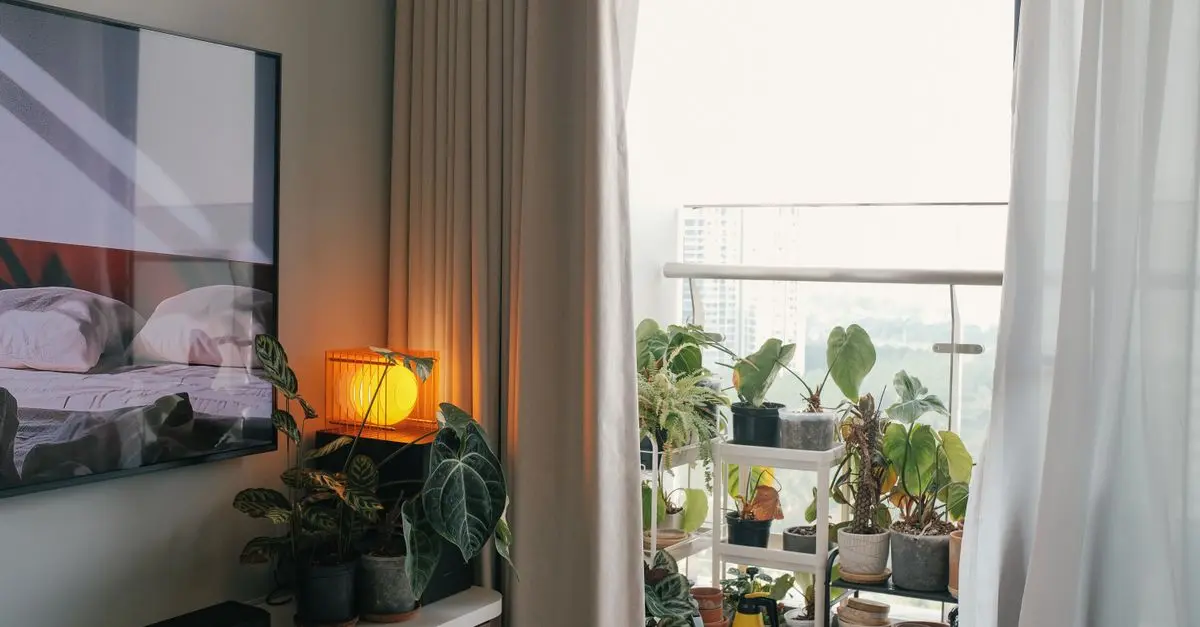
Begin by assessing where natural light enters your home. Look for obstructions, such as overgrown hedges or heavy drapes, which may block sunlight. Ensure windows are clean to maximise light penetration. Even simple changes like trimming outdoor foliage can have a significant impact on light levels.
Step 2: Arrange Furniture Strategically
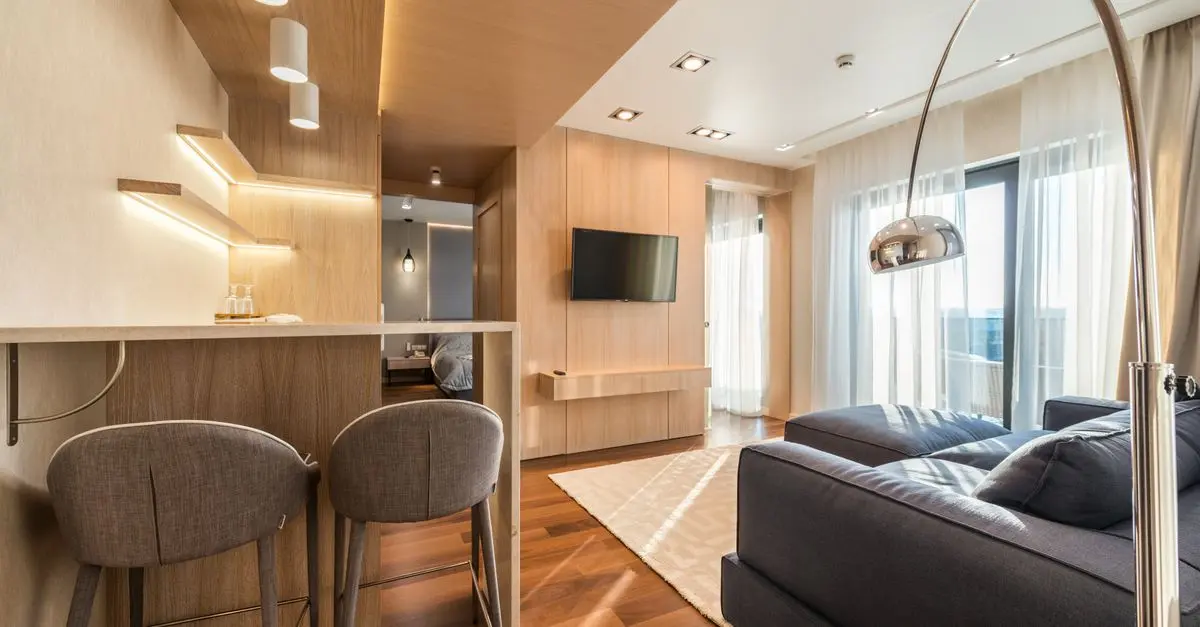
Position large furniture pieces away from windows. By doing this, you allow sunlight to flood the room, creating an open and airy atmosphere. Consider using glass-topped tables or open shelving to further facilitate the flow of light. Avoid arranging bulky items where they could cast shadows on significant sections of the room.
Step 3: Use Light Colours and Reflective Surfaces
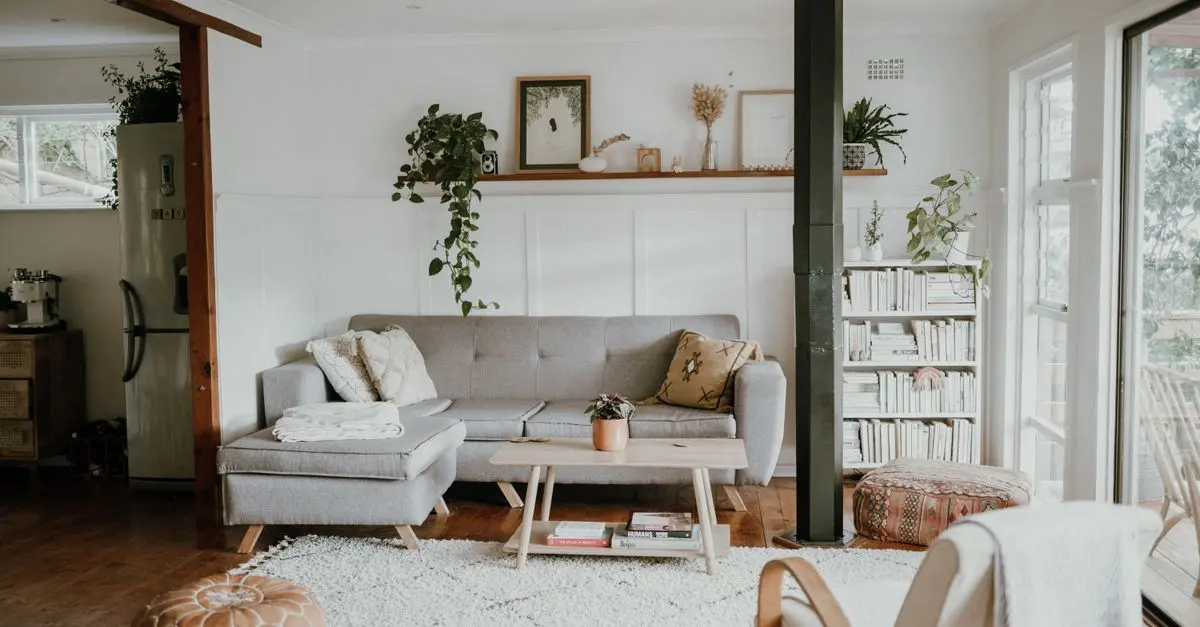
Wall colours play a crucial role in light reflection. Opt for light hues like whites, soft greys, or pastels, which bounce light back into the room. Installing mirrors strategically opposite windows can effectively double the amount of sunlight and create an illusion of expanded space.
Step 4: Install Daylight-Optimising Features
Consider skylights or solar tubes to enhance direct sunlight in darker areas. Skylights can introduce light into central parts of your home. Blinds and shades should be light in colour and of lightweight materials to allow light through while providing privacy.
Step 5: Use Technology to Enhance Natural Light
Smart lighting systems that mimic natural daylight cycles can complement natural light. These systems adjust brightness and colour temperature in sync with outdoor light, ensuring a seamless transition from day to night.
🌿 Creating an Eco-Friendly Lighting System
By incorporating natural light, you not only enhance the ambiance but also create an eco-friendly home. Reduce reliance on artificial lighting and select energy-efficient window installations. According to UFC-Que Choisir, investing in double-glazed windows can further insulate your home, optimising energy use.
💡 Avis d'expert: "Maximising natural light isn’t just about aesthetics; it's an investment in your home’s energy efficiency and your wellbeing," says Jean Dupont, an environmental consultant.
📺 Ressource Vidéo
> 📺 Pour aller plus loin : Enhancing Home Lighting Naturally, a comprehensive overview of strategies for maximising indoor natural light. Recherchez sur YouTube : "natural light home lighting tips"
📊 Comparative Analysis: Natural vs. Artificial Light
| Feature | Natural Light | Artificial Light | Combined Approach | Verdict |
|---|---|---|---|---|
| Energy Efficiency | High | Depends on type | Enhanced | Optimal |
| Mood | Uplifting | Variable | Consistent | Best |
| Cost | Free | Variable | Medium | Balanced |
Glossaire
| Terme | Définition |
|---|---|
| Daylight | Natural light from the sun, illuminating indoor spaces |
| Skylight | A window installed on the roof or ceiling, allowing natural light from above |
| Solar Tube | A cylindrical device that channels sunlight into a structure |
Checklist pour Maximiser la Lumière Naturelle
- [ ] Évaluer l'entrée de lumière actuelle
- [ ] Réorganiser le mobilier pour maximiser l'espace
- [ ] Peindre avec des couleurs claires
- [ ] Installer des caractéristiques optimisant la lumière
- [ ] Intégrer la technologie de réflexion de lumière
🧠 Quiz rapide : Comment la peinture peut-elle augmenter la lumière naturelle ?
- A) Elle absorbe la lumière
- B) Elle reflète la lumière
- C) Elle dévie la lumière
Réponse : B — Les couleurs claires et les surfaces réfléchissantes rebondissent plus de lumière dans une pièce.