Contents (11 sections)
Table of Contents
- Understanding Seasonal Lighting
- Step 1: Evaluate Your Space
- Step 2: Choose Seasonal Themes
- Step 3: Select the Right Fixtures
- Step 4: Consider Energy Efficiency
- Step 5: Install and Enjoy
- Checklist Before Purchase
- Glossary
- FAQ
Lighting is more than just a functional necessity; it plays a critical role in creating the mood and atmosphere of a space. With every changing season, different lighting can enhance your home's aesthetics and comfort. Understanding how to approach lighting for each season can significantly transform your living environment.
Understanding Seasonal Lighting
Lighting varies not just in terms of fixture types but also in the emotional and practical effects it can create. Seasonal lighting adapts to the changing daylight hours and the colours of nature around us. Each season provides an opportunity to reflect the distinct atmosphere: the crisp brightness of winter, the vibrant hues of spring, the warmth of summer, and the earthy tones of autumn. Selecting appropriate fixtures and styles not only boosts your home’s visual appeal but also improves your mood and energy levels.
Research indicates that well-lit spaces can promote productivity by 30% and improve overall wellbeing, according to findings from UFC-Que Choisir. Additionally, adapting your lighting to suit each season allows you to play with different themes that resonate more profoundly with the ambience of seasonal festivities, making your space feel more inviting.
Step 1: Evaluate Your Space
Before choosing fixtures, assess the areas in your home that require attention. Consider the following aspects:
- Room Functionality: Different rooms serve various purposes (e.g., workspaces need brighter lights, while lounges benefit from soft, ambient lighting).
- Natural Light Availability: Examine how much natural light each room receives during different seasons. Rooms facing south typically receive more light, while those facing north tend to remain darker.
- Current Fixtures: Take note of existing lighting solutions—whether they suffice, clash or complement your seasonal change.
For example, consider a living room filled with natural light during summer but poorly illuminated in winter. This could indicate that a change in fixtures or additional sources (like floor lamps or pendant lights) is necessary to boost light levels when daylight is limited.
Step 2: Choose Seasonal Themes
Incorporating seasonal themes into your lighting design allows the flexibility to change how a room feels without a complete overhaul. For instance:
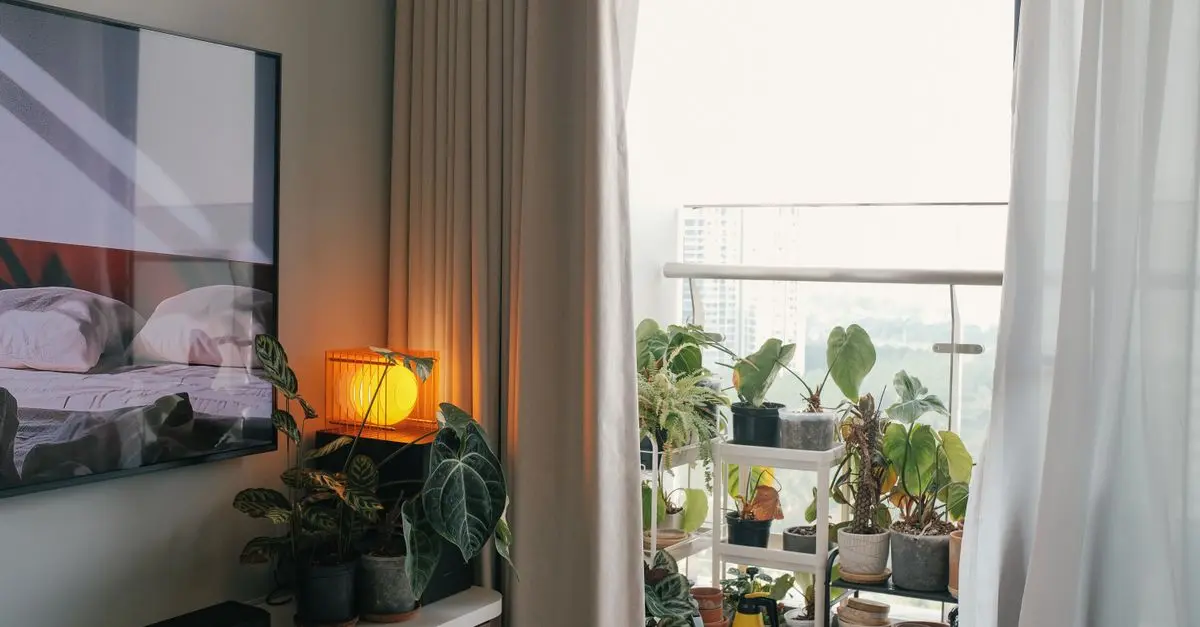
- Winter: Opt for warm-toned fixtures that mimic the soft glow of candlelight, creating a cozy environment. Think of table lamps with amber shades or pendant lights with warm filaments.
- Spring: Favours brighter, fresher lights! Install fixtures featuring floral designs or vibrant colours, invoking a sense of renewal.
- Summer: Illuminate spaces with bright, white LEDs that mirror the summer sun’s intensity. Consider outdoor string lights for evenings.
- Autumn: Emphasise earthy tones with amber or orange hues for a warm, inviting feel, reminiscent of falling leaves.
By choosing themes, you not only create a cohesive look throughout the year but also make seasonal transitions smoother and visually appealing.
Step 3: Select the Right Fixtures
When selecting fixtures, consider the following:
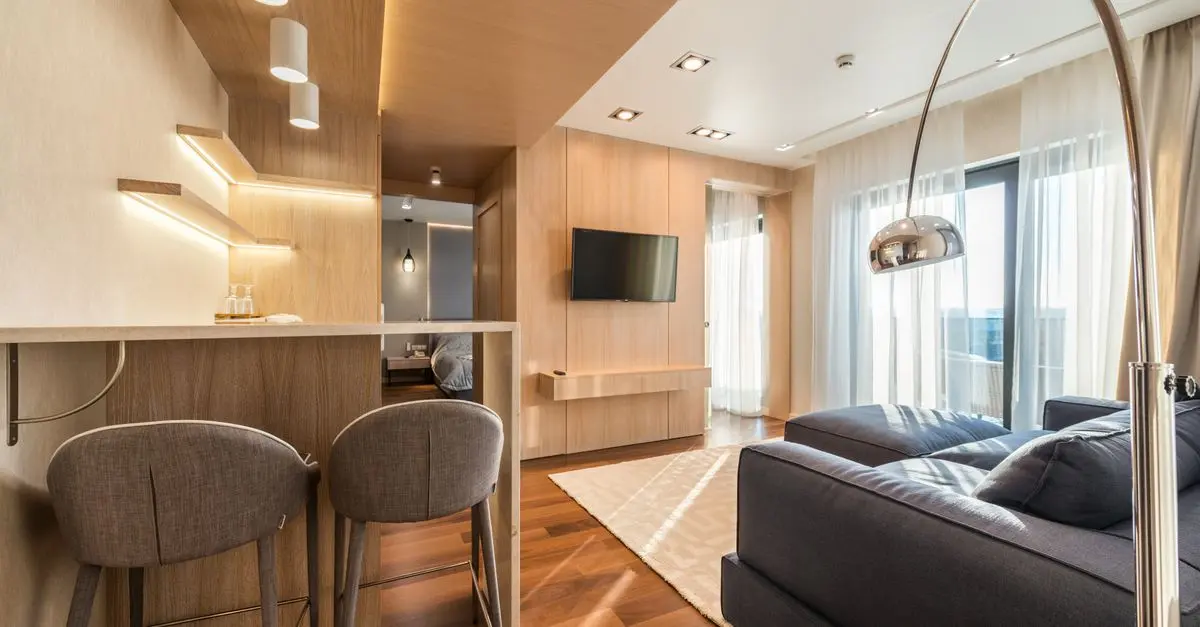
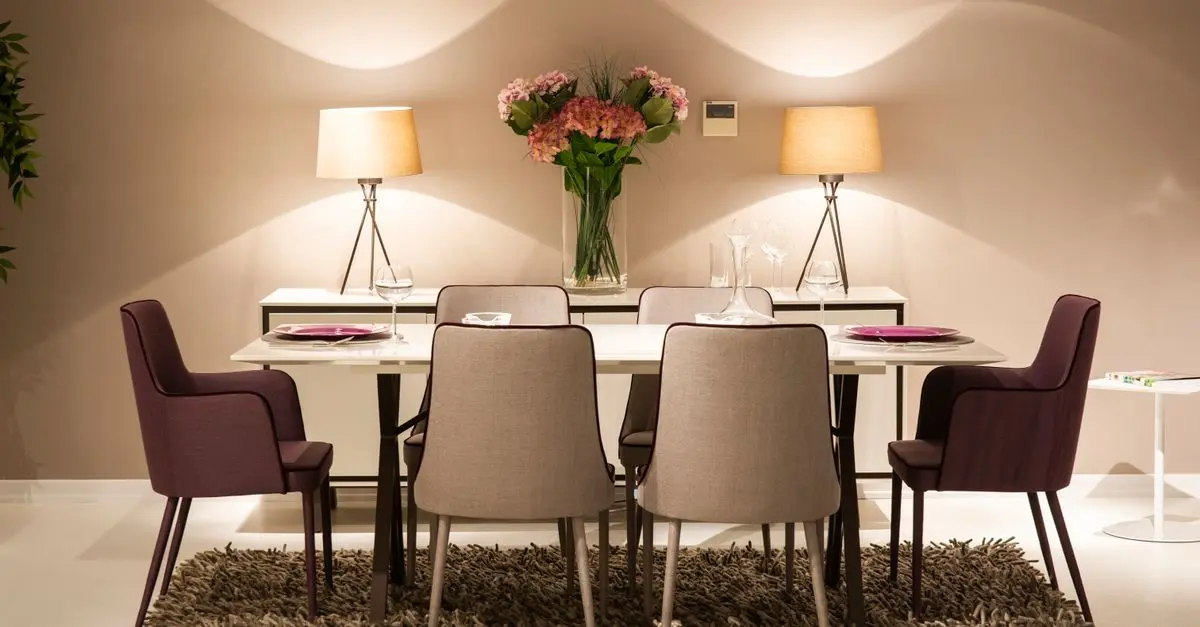
- Types of Lighting: Understand the three main types—ambient (general), task (specific), and accent (highlight). Layering these types can create a balanced lighting scheme.
- Dimmers and Control: Incorporate dimmers to adjust light levels based on natural light availability, especially useful in areas like dining rooms and bedrooms.
- LEDs vs. Incandescent: While LED fixtures are more energy-efficient and longer-lasting, some individuals may prefer the warmth of incandescent bulbs for a more traditional glow. Select fixtures accordingly, aiming for a blend that meets your aesthetic and practical needs.
Comparison Table: Fixture Types
| Fixture Type | Use Case | Pros | Cons |
|---|---|---|---|
| Ambient | General lighting | Even light distribution | Can be harsh if not softened |
| Task | Specific tasks (reading, cooking) | Direct light, improves focus | Can create shadows if poorly placed |
| Accent | Highlight features | Adds depth, customisation | May require additional fixtures to be effective |
This table simplifies the decision-making process when browsing through lighting options, helping you choose according to your needs.
Step 4: Consider Energy Efficiency
Energy efficiency is paramount in today’s green-conscious world. According to ADEME, lighting accounts for about 20% of energy bills in average households, so making informed choices can save you money while being eco-friendly.
- LED Lights: These consume significantly less energy compared to traditional bulbs and have a much longer life expectancy.
- Smart Lighting: Implement smart systems that allow you to control brightness and schedule lighting, further enhancing convenience and energy savings.
- Natural Elements: Use daylight-harvesting techniques, such as strategically placing mirrors to reflect light and choosing sheer curtains that maximise sunlight without sacrificing privacy.
Step 5: Install and Enjoy
Once you've chosen your fixtures and consider the above steps, it's time to install. Personnel might need to position fixed lighting, but many modern fixtures allow for straightforward DIY installation. After installation, enjoy the transformed ambience in your space! Keep an eye on how it feels through the seasons, adjusting as necessary.
Checklist Before Purchase
- [ ] Assess room functionality
- [ ] Consider natural light availability
- [ ] Identify existing fixtures
- [ ] Choose seasonal themes
- [ ] Select appropriate fixture types
- [ ] Consider energy efficiency options
Glossary
| Term | Definition |
|---|---|
| Ambient Lighting | General illumination of a space. |
| Task Lighting | Focused light for specific activities. |
| Accent Lighting | Highlights features or areas in a space. |
- Q: What are the best lighting options for small rooms?
A: Use vertical lights and mirrors to maximise space and brightness.
- Q: How can I change my lighting easily with the seasons?
A: Opt for fixtures that can be easily swapped or adjusted to suit different themes.
- Q: Are smart lights worth the investment?
A: Yes, they offer convenience, energy savings, and customisable settings.
- Q: What light temperature is ideal for each season?
A: Warmer tones suit winter, while cool tones work better in summer.
📺 For going further: A Detailed Guide on Seasonal Lighting, an analysis of how to set up your home for every season. Search on YouTube: "how to choose seasonal lighting fixtures 2026".
📺 Pour aller plus loin : how to choose seasonal lighting fixtures 2026 sur YouTube