Contents (13 sections)
Introduction
Lighting plays a pivotal role in the ambiance and functionality of any space. Layered lighting design enhances aesthetic appeal while ensuring practicality. This approach combines different types of lighting to achieve a well-balanced, inviting atmosphere. Whether you're revamping your home or starting from scratch, understanding layered lighting is vital.
Understanding Layered Lighting Design
Layered lighting design involves the strategic combination of ambient, task, and accent lighting to create a customised lighting plan. Ambient lighting provides overall illumination, task lighting focuses on specific areas for functionality, and accent lighting highlights features or adds drama. According to Philips Lighting, using multiple lighting layers can improve room atmospherics by up to 20%.
Step-by-Step Guide to Layered Lighting Design
Step 1: Assess Your Space
Begin by evaluating the space you want to illuminate. Consider the room's size, purpose, and existing natural light. For instance, studies suggest that larger rooms may require more ambient lighting sources, while smaller spaces might benefit more from accent lighting. Dimming and zoning are important features to consider here, as they offer flexibility in how spaces are utilised.
Step 2: Choose the Right Ambient Lighting
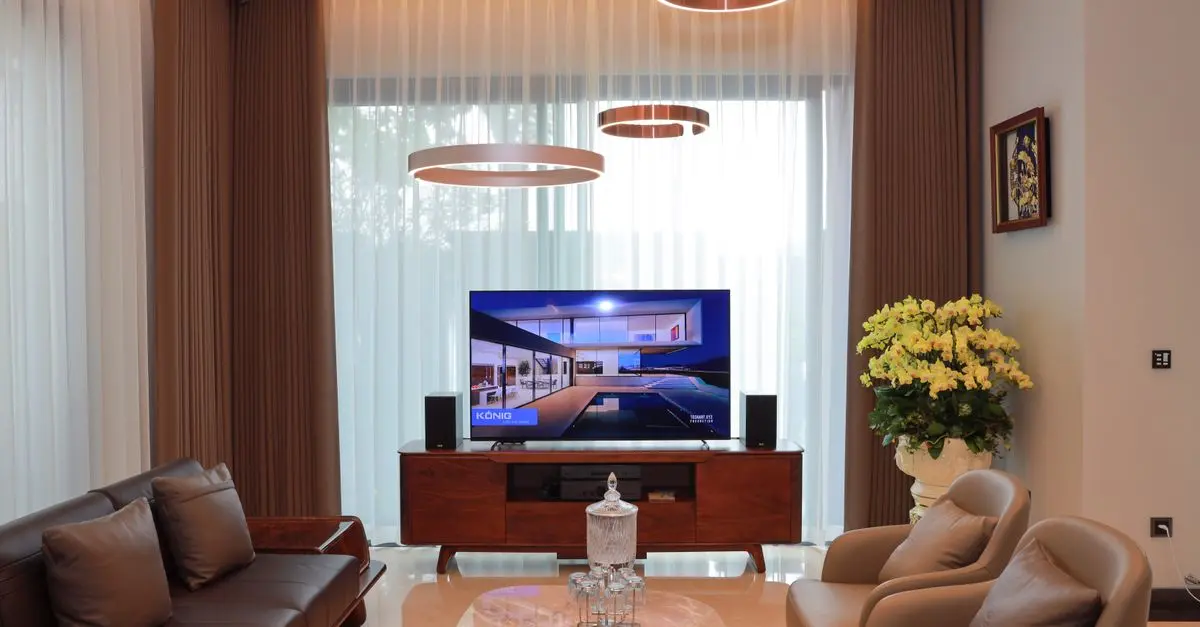
Ambient lighting serves as the primary source of illumination. Options include overhead fixtures like chandeliers or recessed lighting. A good rule of thumb is to provide about 20 lumens per square foot. This ensures that the room is sufficiently bright without being over-lit. 💡 Pro Tip: Consider smart lighting solutions for added control and energy efficiency.
Step 3: Implement Task Lighting
Task lighting focuses on functionality, providing direct light in places like kitchens and workspaces. Under-cabinet lights in kitchens or desk lamps in offices are excellent examples. According to a study from The Illuminating Engineering Society, effective task lighting can increase productivity by 15%.
Step 4: Add Accent Lighting
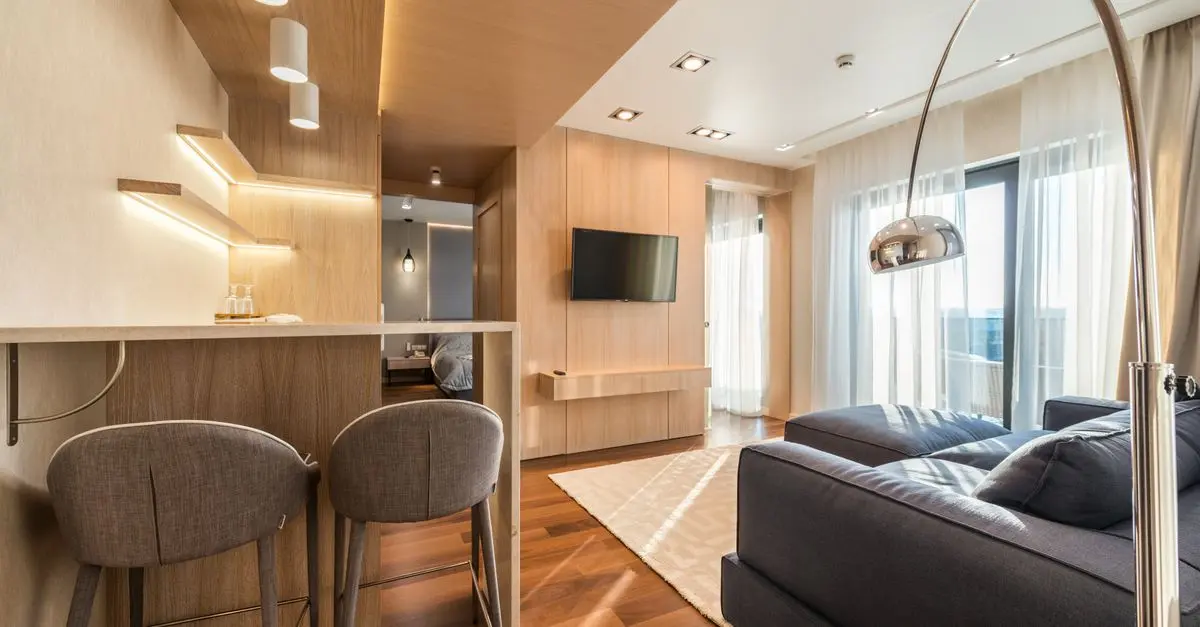
Accent lighting brings attention to specific areas or objects, adding dimension and depth. Wall sconces, spotlights, and LED strips are popular choices. When properly positioned, accent lights can highlight architectural details or artwork, transforming them into focal points.
Step 5: Balance with Natural Light
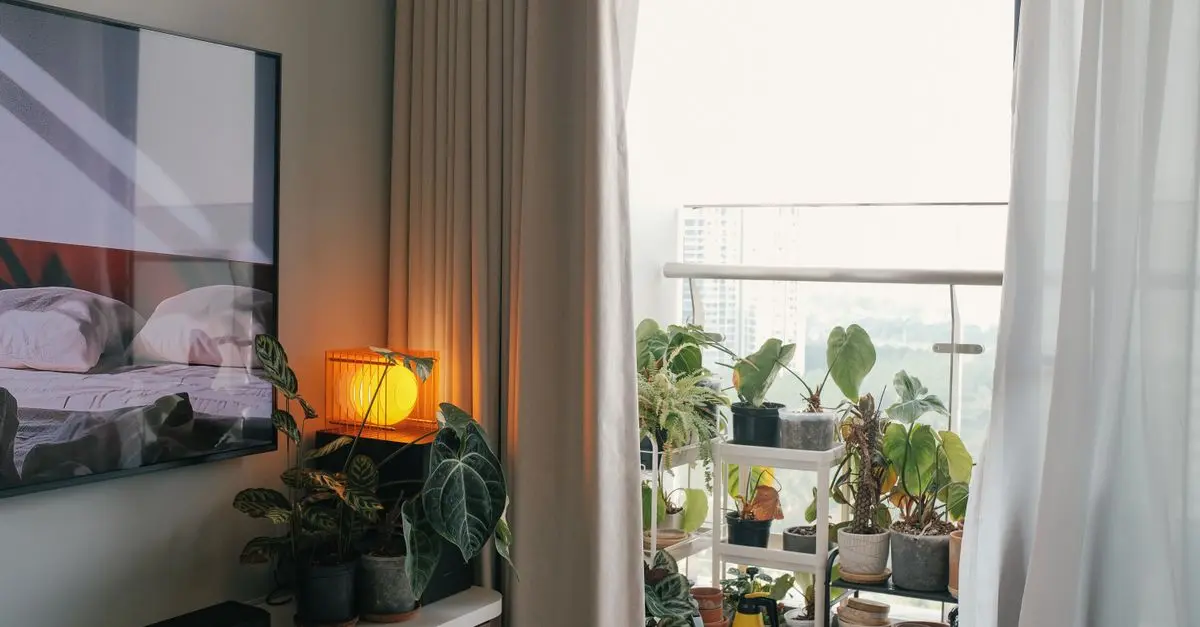
Integrating layered lighting with natural light maximises energy efficiency and enhances the mood. Use sheer curtains or strategic window placements to balance artificial and natural light. According to UFC-Que Choisir, homes that optimise natural lighting can reduce energy consumption by 10-20% annually.
Comparisons in Lighting Options
| Lighting Feature | Option 1: LED | Option 2: Incandescent | Option 3: Halogen | Verdict |
|---|---|---|---|---|
| Energy Efficiency | Excellent | Poor | Good | LEDs are the most efficient |
| Longevity | 25,000 hours | 750 hours | 2,000 hours | LEDs last much longer |
| Cost | Moderate | Low | Moderate | LEDs save money long-term |
| Heat Emission | Low | High | High | LEDs keep rooms cooler |
📺 For more information: Explore the perfect layered lighting setup, a comprehensive guide to achieving the ideal home lighting. Search YouTube: "layered lighting design guide 2026".
- What is layered lighting design?
Layered lighting combines ambient, task, and accent lighting to create a well-lit space that enhances functionality and aesthetics.
- Why should I use layered lighting?
Layered lighting provides flexibility in lighting design, enhancing mood, functionality, and energy efficiency.
- How do I start implementing layered lighting?
Begin by assessing your space, then choose appropriate ambient, task, and accent lighting based on your needs.
- Is LED better for layered lighting?
Yes, LEDs are energy-efficient, long-lasting, and offer versatile lighting options, making them ideal for any layer of lighting.
Glossary
| Terme | Définition |
|---|---|
| Ambient Lighting | Overall illumination of a space |
| Task Lighting | Specific lighting for particular tasks |
| Accent Lighting | Focused lighting for highlights or decor |
- [ ] Evaluate the available natural light
- [ ] Choose suitable ambient lighting fixtures
- [ ] Select task lighting for key areas
- [ ] Add accent lights to highlight features
- [ ] Balance room lighting with decor
🧠 Quiz rapide : What are the three layers of lighting design?
- A) Ambient, Task, Accent
- B) Soft, Medium, Hard
- C) On, Off, Dim
Réponse : A — Ambient, Task, and Accent lighting work together to create a well-lit environment.