Contents (18 sections)
What Are Smart Lighting Solutions?
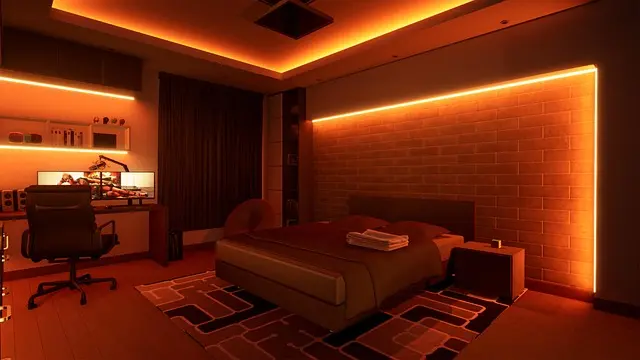
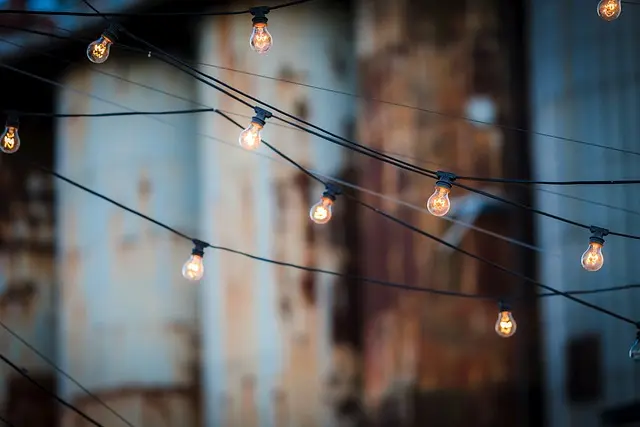
Smart lighting solutions refer to advanced lighting technologies that allow for remote control, automation, and enhanced energy efficiency. As more households embrace sustainability, these solutions have evolved to cater to both convenience and eco-friendliness. Smart bulbs, which can connect via Wi-Fi or Bluetooth, offer features like adjustable brightness and colour temperature, programmable schedules, and integration with voice assistants such as Amazon Alexa or Google Assistant. According to UFC-Que Choisir, the uptake of smart lighting has increased by over 60% in the last two years as consumers become more aware of energy savings and the comfort of regulating their lighting through apps.
This trend is significant; energy-efficient lighting not only improves the emotional and physical ambiance of living spaces but can also lead to substantial cost savings. These innovations can reduce energy consumption by up to 80% compared to traditional incandescent bulbs, contributing to both lower electricity bills and a reduced carbon footprint.
How to Implement Smart Lighting
Implementing smart lighting in your home can seem daunting, but with a step-by-step approach, it becomes an achievable task. Step 1: Start by assessing your needs—consider which rooms would benefit from smart lighting the most. Areas such as the living room and kitchen often see the most usage.
Step 2: Choose the type of smart lighting that suits your needs, whether smart bulbs or a more comprehensive smart lighting system involving smart switches and controls.
Step 3: Install the lighting fixtures or replace existing bulbs with smart variants. Most installations are plug-and-play, requiring no significant rewiring. For more complex configurations, consider hiring a professional.
Step 4: Download the corresponding app to your smartphone. Most smart lighting solutions come with user-friendly apps that guide you through configuring your settings.
Step 5: Lastly, integrate your smart lights with other smart home devices to maximise functionality. For example, coupling your smart lights with a smart thermostat can help improve overall energy efficiency.
By following these steps, you can create a tailored lighting experience that not only enhances your home’s aesthetic but enhances its energy efficiency.
Comparison of Smart Lighting Options
To help you choose the right smart lighting option, here’s a comparative breakdown:
| Feature | Smart Bulbs | Smart Switches | Smart Lighting Kits |
|---|---|---|---|
| Compatibility with Voice Assistants | Yes | Yes | Yes |
| Colour Change Capability | Yes | No | Yes |
| Remote Control | Yes | Yes | Yes |
| Install Difficulty | Easy | Moderate | Moderate |
| Cost Range | £10-£50 per bulb | £20-£100 per switch | £100-£300 per kit |
| Verdict | Flexible and versatile | Ideal for full-house retrofits | Comprehensive solutions |
Current Trends in Smart Lighting Solutions
Increased Focus on Energy Efficiency
As of 2026, one key trend is the increased focus on energy efficiency. More homeowners are prioritising eco-friendly solutions, influencing market offerings. Research by the International Energy Agency indicates that smart lighting can result in a 50% reduction in energy consumption, making it one of the most effective upgrades for consumers focused on sustainability. It’s likely that this trend will persist as prices for LEDs continue to drop and manufacturers innovate further.
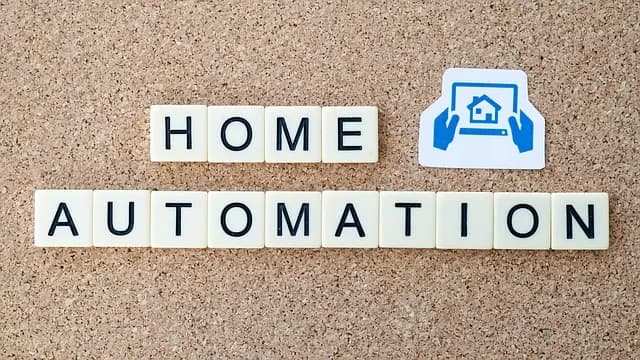
Integration with Home Automation
Another noticeable trend is seamless integration with wider home automation systems. Smart lighting is no longer a standalone solution; it now works cohesively with security systems, thermostats, and even appliances. This interoperability not only elevates user convenience but also amplifies energy savings through holistic control of home systems. For instance, users can program lights to turn off automatically when not at home or adjust based on natural light.
Use of AI and Machine Learning
The deployment of AI and machine learning in smart lighting systems is expected to rise. These technologies can learn user behaviour over time, optimizing lighting usage through predictive algorithms. Homeowners can expect products that adjust automatically for efficiency, increasing energy savings. Industry projections predict that AI-driven smart lighting will account for over 40% of market growth within the next five years.
Smart Lighting for Health and Well-being
Research also suggests a significant interest in health-oriented lighting solutions emerging. Fields like circadian rhythm lighting, which adapts to the time of day, are becoming popular, enhancing comfort and productivity. According to studies from Harvard University, exposure to the right kind of light can lead to improved mood and better sleep patterns, hence, manufacturers are targeting these features heavily.
Sustainable Product Design
Sustainability in product design is also gaining traction. Companies are focusing on producing recyclable and energy-efficient lighting solutions, aligning with consumer preferences for green products. Philips Hue, for example, has made strides in producing eco-friendly packaging and materials.
FAQs about Smart Lighting Solutions
What are the advantages of smart lighting solutions?
Smart lighting solutions offer various advantages, including energy efficiency, remote access, and customisable settings tailored to your lifestyle.
Can I use smart light bulbs with traditional fixtures?
Yes, you can use smart light bulbs in traditional fixtures as long as the wattage matches the fixture’s requirements.
Is it expensive to install smart lighting?
The cost of installing smart lighting varies; basic smart bulbs are affordable, while complete smart lighting systems may require a larger initial investment.
Do smart lighting solutions enhance security?
Absolutely! Many smart lighting systems can be integrated into home security setups, allowing for automated responses like scheduled lighting during absence, which can deter potential intruders.
Checklist Before Purchasing Smart Lights
- [ ] Identify which areas need smart lighting
- [ ] Determine your budget
- [ ] Compare different brands and features
- [ ] Check compatibility with existing systems
- [ ] Read reviews from users on performance
- [ ] Consider energy savings and potential rebates
📺 Resource Video
> 📺 For further exploration: Discover the best smart lighting solutions for your home, showcasing the latest innovations in energy-efficient lighting. Search on YouTube: smart lighting solutions trends 2026.
Glossary
| Term | Definition |
|---|---|
| Smart Bulbs | Energy-efficient light bulbs that can be controlled remotely via apps or voice commands. |
| Home Automation | The use of technology to control home devices automatically for convenience and efficiency. |
| Circadian Rhythm Lighting | Lighting designed to align with human biology, promoting natural sleep patterns and comfort. |
> 🧠 Quick Quiz: What is a primary benefit of smart lighting?
> - A) High maintenance
> - B) Energy savings
> - C) Limited control
> Answer: B — Smart lighting leads to significant energy savings.
📺 Pour aller plus loin : 12 Smart Light Ideas For Your Home in 2026 sur YouTube