Contents (16 sections)
In the ever-evolving world of energy efficiency, smart lighting solutions have emerged as a vital component in reducing energy consumption while enhancing the atmosphere in our homes. Traditional lighting systems often lead to excessive energy usage, while smart lighting offers a more adaptable and efficient alternative. By leveraging technology, these solutions not only conserve energy but also allow for customisable environments, transforming how we interact with light in our living spaces.
1. Understanding Smart Lighting Solutions
Smart lighting solutions refer to advanced lighting systems that can be controlled remotely and offer various features beyond simply turning on and off. These systems typically utilise LED technology, which is more energy-efficient than traditional bulbs while providing a longer lifespan. Moreover, smart lighting can be integrated with home automation systems, allowing homeowners to program schedules, adjust brightness levels, and set specific moods through smartphone applications or voice assistants like Amazon Alexa or Google Assistant. Some systems also feature sensors that adjust lighting based on occupancy or ambient light levels, ensuring that energy is not wasted in unoccupied spaces.
Benefits of Smart Lighting
- Energy savings: By using LED technology and features like dimming or scheduling, homeowners can significantly reduce their lighting energy consumption.
- Convenience: With remote access, controlling lighting becomes incredibly convenient, allowing for automated schedules or adjustments based on real-time data.
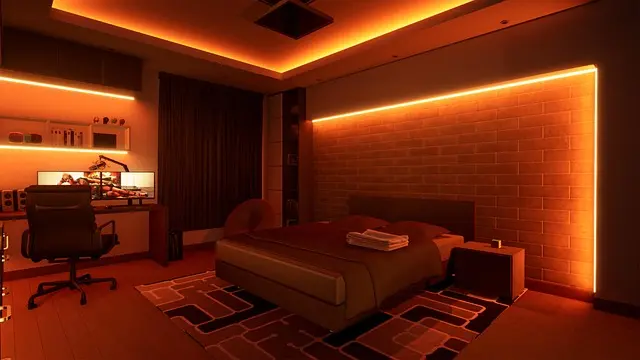
- Enhanced atmosphere: Smart lighting can create various moods through different colour settings and brightness levels, improving the overall ambiance of your home.
2. Step-by-Step Guide to Implementing Smart Lighting in Your Home
Step 1: Assess Your Needs
Before diving into smart lighting, it's crucial to evaluate your current lighting setup and define your goals. Ask yourself questions like:
- Which areas of your home require smart lighting?
- Are you most interested in convenience, energy efficiency, or aesthetics?
This initial assessment lays the groundwork for selecting the most suitable solutions.
Step 2: Choose the Right Products
Next, you'll want to select smart lighting products that fit your needs and budget. Look for products that offer compatibility with your existing smart home systems if you have any. Consider the following categories:
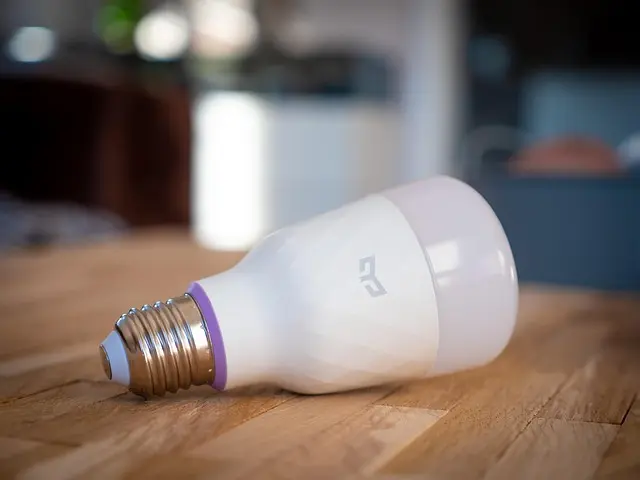
- Smart bulbs: These can replace traditional bulbs and allow for control via apps or voice.
- Smart switches: They replace existing switches and control your conventional lighting.
- Smart fixtures: These come integrated with smart technology and often enhance the design of your space.
Research brands such as Philips Hue, LIFX, or TP-Link for reliable smart lighting products.
Step 3: Installation
Installation varies depending on the product. Smart bulbs are usually straightforward to install – simply replace your existing bulbs. Smart switches may require basic electrical knowledge, and it’s advisable to hire a professional if you're unfamiliar with home wiring. Ensure your Wi-Fi network is strong in the areas where you will be installing smart lighting, as this is vital for connectivity.
Step 4: Integration with Smart Home Systems
Once installed, integrate your smart lighting solutions with other smart home devices for enhanced functionality. If you use devices like smart speakers or hubs, follow the manufacturer’s instructions to connect everything. This may involve downloading an app, setting up an account, and following prompts to connect each device.
Step 5: Customising Your Settings
Take advantage of your smart lighting’s features by customising settings according to your preferences. Set up schedules based on your daily routine or utilise motion sensors to automatically adjust lighting when entering or leaving a room. Experiment with different colours and brightness levels to create moods that suit various occasions, from cosy evenings to vibrant social gatherings.
Step 6: Monitor Energy Consumption
Most smart lighting systems feature energy monitoring functions that allow you to track consumption patterns. Regularly review this data to identify possible areas for improvement. For example, if certain lights are used more than intended, consider setting stricter schedules or utilising dimming options to maintain efficiency.
3. Common Mistakes to Avoid
When transitioning to smart lighting, it’s easy to make missteps that could hinder your efforts:
- Overlooking compatibility: Always check if new devices are compatible with your existing home automation system before purchasing.
- Neglecting Wi-Fi strength: Poor connectivity can lead to frustrating experiences; ensure your Wi-Fi can adequately support additional devices.
- Not utilising energy-saving features: Many systems come with built-in options to reduce energy consumption; not using them defeats the purpose of smart lighting.
4. Comparison of Smart Lighting Options
When choosing smart lighting solutions, it helps to compare options. Below is a table highlighting three popular smart lighting products based on essential features:
| Feature | Philips Hue | LIFX | TP-Link Kasa |
|---|---|---|---|
| Connectivity | Zigbee | Wi-Fi | Wi-Fi |
| Brightness Levels | Yes | Yes | Yes |
| Colour Options | 16 million | 16 million | 16 million |
| Energy Monitoring | Yes | No | Yes |
| Verdict | Great for extensive setups; requires hub | Direct Wi-Fi, no hub needed but no energy monitoring | Budget-friendly with energy monitoring |
📺 Ressource Vidéo
> 📺 Pour aller plus loin : Understanding Smart Lighting Solutions and Their Benefits, a comprehensive analysis of smart lighting options. Search on YouTube: "smart lighting solutions 2026"
Checklist before Purchase
- [ ] Assess your lighting needs
- [ ] Research compatible products
- [ ] Check Wi-Fi connectivity
- [ ] Read user reviews and ratings
- [ ] Set a budget for your smart lighting project
Glossary
| Terme | Définition |
|---|---|
| Smart Bulb | A light bulb that can be controlled remotely via a smart device. |
| LED (Light Emitting Diode) | An energy-efficient lighting technology that uses less power. |
| Home Automation | The control of home appliances through a connected network. |
> 🧠 Quiz rapide : What is a primary benefit of smart lighting?
> - A) It's more colourful
> - B) It saves energy
> - C) It’s cheaper
> Réponse : B — Smart lighting solutions significantly reduce energy consumption when compared to traditional systems.
📺 Pour aller plus loin : smart lighting solutions 2026 sur YouTube