Contents (13 sections)
In today's energy-conscious world, smart lighting solutions are not just a luxury; they are essential for enhancing energy efficiency. Smart lighting refers to technology-driven systems that allow users to control their lighting remotely or automatically based on their surroundings. These systems can significantly reduce energy consumption while providing convenience and enhanced functionality. In this article, we will explore various smart lighting solutions and provide practical tips on how to maximise energy efficiency in your living or working space.
1. Understanding Smart Lighting Solutions
What are Smart Lighting Solutions?
Smart lighting solutions integrate advanced technology to provide intelligent lighting control options. These include automated scheduling, remote control through smartphones, and integration with smart home systems. According to UFC-Que Choisir, smart lighting can reduce energy consumption by up to 60% when used effectively. The technology uses LED lights that are more energy-efficient than traditional bulbs, thus lowering electricity costs significantly.
Why Choose Smart Lighting?
Utilising smart lighting systems allows homeowners and businesses to tailor their lighting needs dynamically. For instance, motion sensors ensure that lights are only on when spaces are occupied, thereby saving energy when rooms are unoccupied. Furthermore, the ability to adjust the brightness and colour temperature can enhance mood and productivity, making smart lighting a versatile choice for any setting.
2. Step-by-Step Guide to Implementing Smart Lighting
Step 1: Assess Your Lighting Needs
Before implementing smart lighting solutions, it’s essential to evaluate your current lighting setup. Identify areas in your home or office where lighting could be improved or automated. Consider factors like natural light availability and specific activities in each room (e.g., reading, working, relaxation).
Step 2: Choose the Right Smart Lights
Select smart lights that best fit your needs and budget. Options range from smart bulbs that fit into existing fixtures to entire smart lighting systems that include compatible switches and dimmers. Brands such as Philips Hue and LIFX offer excellent choices for various environments.
Step 3: Installation and Configuration
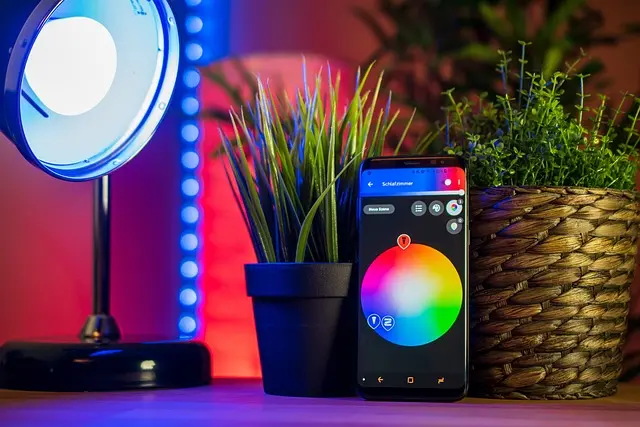
Follow the manufacturer's instructions for installation. Many smart bulbs can be simply screwed into existing sockets. Use your smartphone to configure the smart lights, connecting them to your home Wi-Fi for remote control. For advanced setups, integrate with existing smart home systems.
Step 4: Customisation and Scheduling
Utilise apps to set schedules for your lights. You can create scenarios where lights dim gradually before bedtime or brighten in the morning to mimic natural sunlight. This not only enhances energy efficiency but also improves your circadian rhythm.
3. Comparing Smart Lighting Options
| Criteria | Smart Bulbs | Smart Switches | Complete Systems | Verdict |
|---|---|---|---|---|
| Installation | Easy (DIY) | Moderate (requires wiring) | Complex (professional setup) | Smart bulbs are best for renters; switches for permanent solutions. |
| Cost | $15 - $50 per bulb | $30 - $100 per switch | $100+ for full systems | Consider your budget and setup preference. |
| Energy Savings | High (LED efficiency) | High (automated control) | Variable | All options reduce consumption significantly. |
| Functionality | Basic control (on/off, dimming) | Advanced (multiple appliances) | Comprehensive control management | Best choice depends on specific lighting needs. |
Recent studies indicate that implementing smart lighting systems could lead to significant energy conservation. According to an ADEME report, households that switch to smart lighting solutions save an average of 20-30% on their electricity bills. Moreover, these technologies are expected to become more prevalent, with forecasts suggesting that by 2026, smart lighting solutions could constitute over 70% of all residential lighting sales.
In addition, smart lighting’s compatibility with renewable energy sources, such as solar power, enhances its sustainability profile. By using solar-powered smart lights for outdoor areas, homeowners can achieve net-zero energy usage for outdoor lighting needs.
5. FAQs About Smart Lighting Solutions
Q: How do smart lights work?
A: Smart lights connect to your Wi-Fi network and can be controlled remotely via smartphone apps, allowing for flexible lighting control.
Q: Can I integrate smart lighting with other smart home devices?
A: Absolutely! Most smart lighting solutions can be integrated with home assistants like Amazon Alexa or Google Home for voice control.
Q: What is the lifespan of LED smart bulbs?
A: LED smart bulbs typically last 15,000 to 25,000 hours, significantly longer than traditional bulbs.
Q: Are smart lighting solutions energy efficient?
A: Yes, smart lighting solutions use LED technology, which consumes less power and reduces energy costs substantially.
📺 Ressource Vidéo
> 📺 Pour aller plus loin : An in-depth look at smart lighting solutions, providing tips and insights. Recherchez sur YouTube : smart lighting systems 2026.
Glossaire
| Terme | Définition |
|---|---|
| Smart Lighting | Technology that allows remote control of lighting requirements. |
| LED | Light Emitting Diode, a highly energy-efficient lighting option. |
| Smart Home | A home equipped with technology to control and automate systems remotely. |
Checklist avant achat
- [ ] Déterminer les besoins d'éclairage spécifiques
- [ ] Comparer les options de produits disponibles
- [ ] Vérifier la compatibilité avec des systèmes existants
- [ ] Estimer votre budget total
- [ ] Lire les avis et retours d'expérience d'autres utilisateurs
🧠 Quiz rapide : What is the primary benefit of smart lighting?
- A) Increased electricity costs
- B) Enhanced control and energy efficiency
- C) Limited functionality
Réponse : B — Smart lighting enhances control over usage and reduces energy consumption substantially.
Embracing smart lighting solutions not only improves energy efficiency but also elevates the living experience. Whether in a home or workplace, the benefits are substantial, prompting a shift towards smarter, more sustainable lighting practices.
📺 Pour aller plus loin : smart lighting systems 2026 sur YouTube