Contents (12 sections)
- Understanding Outdoor Lighting Optimisation
- Plan Your Layout Strategically
- Choose the Right Fixtures
- Incorporate Energy-Efficient Lights
- Adjust Brightness with Dimmers
- Use Motion Sensors for Security
- Highlight Landscaping Features
- Create Zones with Lighting
- Maintenance for Longevity
- Checklist Before Installation
Understanding Outdoor Lighting Optimisation
Outdoor lighting optimisation refers to the strategic use of lighting to enhance both safety and ambiance in outdoor spaces. By ensuring that your garden, patio, or outdoor entertainment area is well-lit, you can create a welcoming environment while also deterring potential intruders. According to UFC-Que Choisir, more than 30% of households invest in outdoor lighting solutions to improve security and increase property value. The objective is to achieve optimal illumination that highlights key features without overwhelming the space.
Plan Your Layout Strategically
Before installing outdoor lighting, it is essential to plan your layout strategically. Consider the most commonly used areas of your garden or patio, such as pathways, entrances, and seating areas. The American Lighting Association recommends drawing up a lighting plan that includes all important features you want to illuminate. For instance, pathways should have soft lighting to guide visitors safely, while seating areas might require slightly brighter lights to create a cosy environment. This planning stage helps avoid over-lighting or under-lighting specific areas, ensuring a balanced approach.
Choose the Right Fixtures
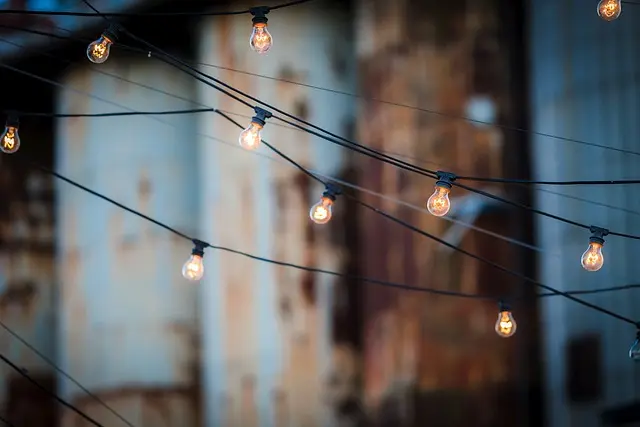
Selecting appropriate fixtures is crucial for the overall effectiveness of your outdoor lighting. There are various types of outdoor fixtures, including wall sconces, post lights, and solar lights. Each type has different aesthetics and functionalities. For example, LED path lights provide a modern touch while efficiently illuminating walkways. Also, hanging pendant lights can add charm to outdoor dining areas. When choosing fixtures, opt for those that complement your home's architecture to create a harmonious look.
Incorporate Energy-Efficient Lights
Energy efficiency is a growing concern for homeowners. By incorporating energy-efficient light sources, such as LEDs or CFLs, you not only reduce your electricity bills but also lessen your environmental impact. According to Energy Star, LED lights consume 75% less energy than traditional incandescent bulbs and last up to 25 times longer. This means lower maintenance costs and significant savings over time. Additionally, you might consider lights with smart technology that allows for remote control and scheduling, providing further control over your energy consumption.
Adjust Brightness with Dimmers
Installing dimmers for outdoor lights allows you to adjust the illumination level based on the occasion. Whether hosting a dinner party or having a quiet family evening on the patio, dimmers provide versatility. They can help create the desired atmosphere and significantly expand the use of your outdoor spaces. A recent survey by Lighting Research Center indicated that 64% of homeowners prefer adjustable lighting for social events, as it enhances the mood and comfort level of the environment.
Use Motion Sensors for Security
Motion sensors are an excellent addition to outdoor lighting systems, enhancing security without constant illumination. When movement is detected, these lights turn on automatically, providing a great deterrent against potential intruders. According to The National Crime Prevention Association, well-lit properties are 60% less likely to experience burglary, highlighting the importance of integrating motion-sensing technology into your outdoor lighting plan. This approach is also energy-efficient, as the lights only activate when needed.
Highlight Landscaping Features
Strategically placed lighting can highlight your garden's unique landscaping features, such as trees, bushes, or water elements. Uplighting can create dramatic effects on trees, while downlighting can illuminate flower beds. Consider using spotlights or floodlights to draw attention to specific areas, creating focal points in your garden design. This not only enhances aesthetics but also increases safety by ensuring that all areas are visible at night.
Create Zones with Lighting
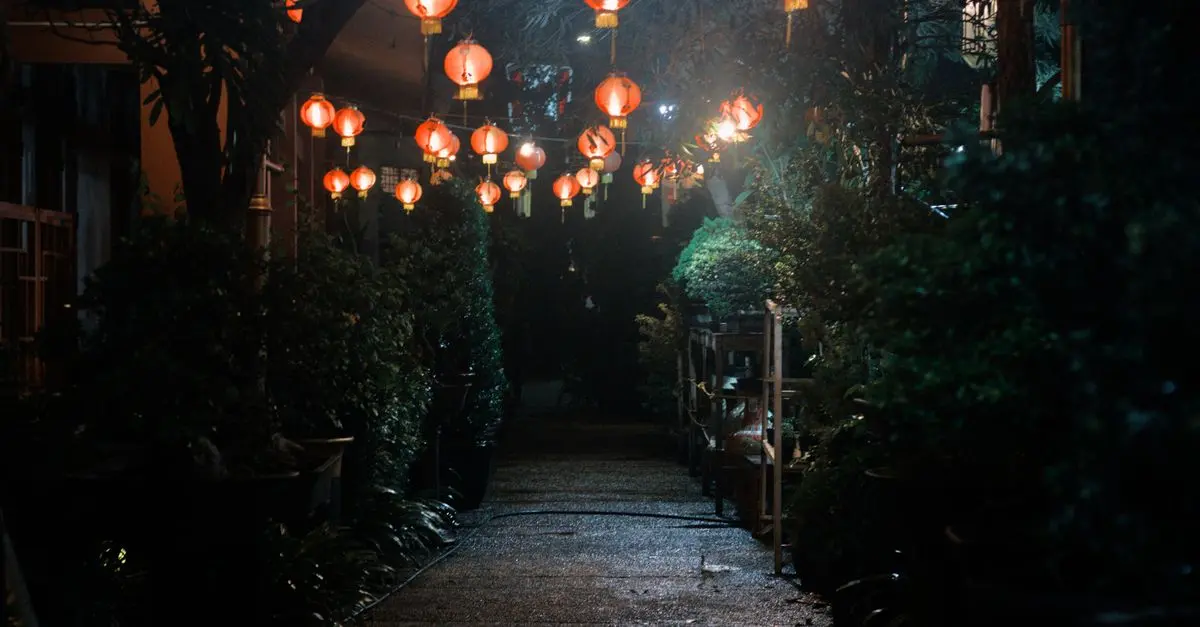
Creating zones with lighting can revolutionise your outdoor space, defining areas for relaxation, dining, or entertainment. By using different lighting techniques in these zones, you set the mood for each specific area. For example, you might use softer lights in a relaxation zone with comfortable seating, while employing brighter lights around grilling stations for better visibility. According to the Institute of Lighting Professionals, zoned lighting enhances the usability of outdoor spaces, making them more enjoyable.
Maintenance for Longevity
Proper maintenance of your outdoor lighting can extend its lifespan and maintain performance. Regular cleaning of fixtures prevents dirt build-up, which can diminish light quality. It’s also vital to check for any burned-out bulbs or damaged sensors periodically. Additionally, consider seasonal adjustments to accommodate for changes in daylight hours. Regular maintenance not only enhances safety but also ensures that your outdoor lighting remains inviting and functional throughout the year.
Checklist Before Installation
To ensure that your outdoor lighting optimisation project is successful, here’s a handy checklist:
- [ ] Identify key areas to illuminate (pathways, seating, etc.)
- [ ] Choose appropriate fixtures that blend with architecture
- [ ] Opt for energy-efficient lighting solutions
- [ ] Install dimmers for flexibility in brightness
- [ ] Integrate motion sensors for security
- [ ] Highlight landscaping features for aesthetics
- [ ] Use zoning techniques to define outdoor spaces
- [ ] Plan for regular maintenance to maximise longevity
Glossary
| Terme | Définition |
|---|---|
| Uplighting | Éclairage dirigé du bas vers le haut pour créer des effets dramatiques. |
| LED | Diode électroluminescente, une source de lumière efficace et durable. |
| CFL | Lampe fluorescente compact, une alternative économe en énergie aux ampoules traditionnelles. |
> 📺 Pour aller plus loin : Ultimate Guide to Outdoor Lighting, une analyse complète de l'optimisation de l'éclairage extérieur. Recherchez sur YouTube : "outdoor lighting optimisation 2026".
🧠 Quiz rapide : Quel type de lumière est le plus économiquement efficace pour les espaces extérieurs ?
- A) Incandescent
- B) LED
- C) Halogène
Réponse : B — Les LED consomment 75% moins d'énergie que les incandescents.
📺 Pour aller plus loin : outdoor lighting optimisation 2026 sur YouTube