Contents (19 sections)
What is Ambient Lighting?
Ambient lighting refers to the general illumination that fills a room, providing a soft and diffused light that can help create a soothing atmosphere. Unlike task lighting, which is focused on specific areas for activities like reading or working, ambient lighting envelops the entire space evenly. The primary purpose is to reduce harsh shadows and create a sense of comfort in a room, which can significantly impact mood and well-being. According to studies by the American Psychological Association, lighting conditions can influence emotions, behaviour, and even productivity levels within a space.
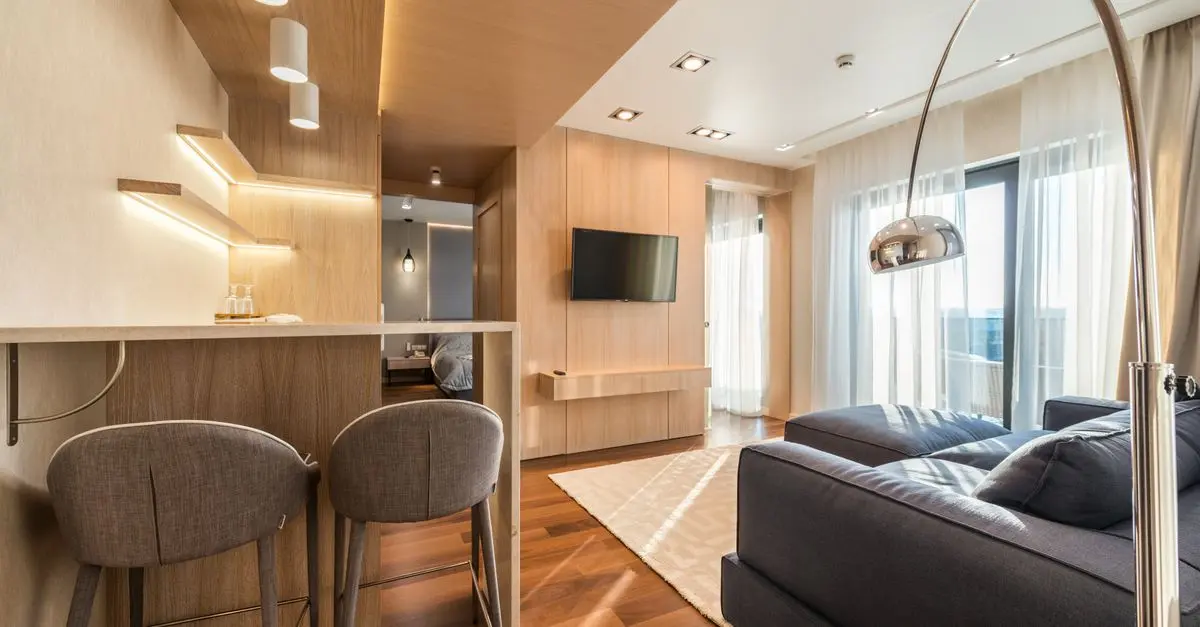
Incorporating ambient lighting into your home can be an aesthetic choice as well. It can showcase architectural features, create focal points, and enhance the overall decor. You can achieve this by using various fixtures like wall sconces, pendant lights, or even floor lamps strategically placed around your living space. This holistic approach to lighting not only brightens your environment but also facilitates relaxation and comfort.
Step-by-Step Guide to Ambient Lighting Techniques
Creating the perfect ambient lighting involves careful planning and consideration. Here’s a comprehensive guide:
Step 1: Assess Your Space
Before you begin, take the time to evaluate your room. Consider its size, shape, and purpose. Is it a cozy living room, a vibrant kitchen, or a serene bedroom? Each space has different needs for lighting. For instance, larger rooms may require multiple light sources to feel adequately illuminated, while smaller spaces can benefit from strategic placements of a few key fixtures.
Step 2: Choose Your Light Sources
Once you understand your space, the next step is selecting appropriate sources for ambient light. Options include soft, warm LED bulbs, dimmable fixtures, or even coloured lamps that can create unique atmospheres. Remember, softer light tends to be more relaxing, while brighter bulbs can energise a space. You might also want to consider layering your lights by incorporating table lamps in addition to ceiling fixtures, creating depth and richness in your illumination.
Step 3: Use Dimmers
Dimmers are essential for controlling the intensity of your ambient lighting. By adjusting the brightness, you can easily transition from vibrant energy during the day to a calm, soft glow in the evening. This adaptability makes them a worthwhile investment, as they allow for a tailored lighting experience throughout the day. Moreover, according to UFC-Que Choisir studies, homes equipped with dimmable lighting often see lower energy costs.
Step 4: Experiment with Placement
Placement is critical in achieving the desired effect. Avoid cluster lighting in one area; instead, distribute your sources evenly across the room. This technique softens shadows, ensuring that all areas of the space are illuminated. Consider using uplighting fixtures to bounce light off ceilings or walls, which adds dimension and warmth.
Step 5: Integrate Natural Light
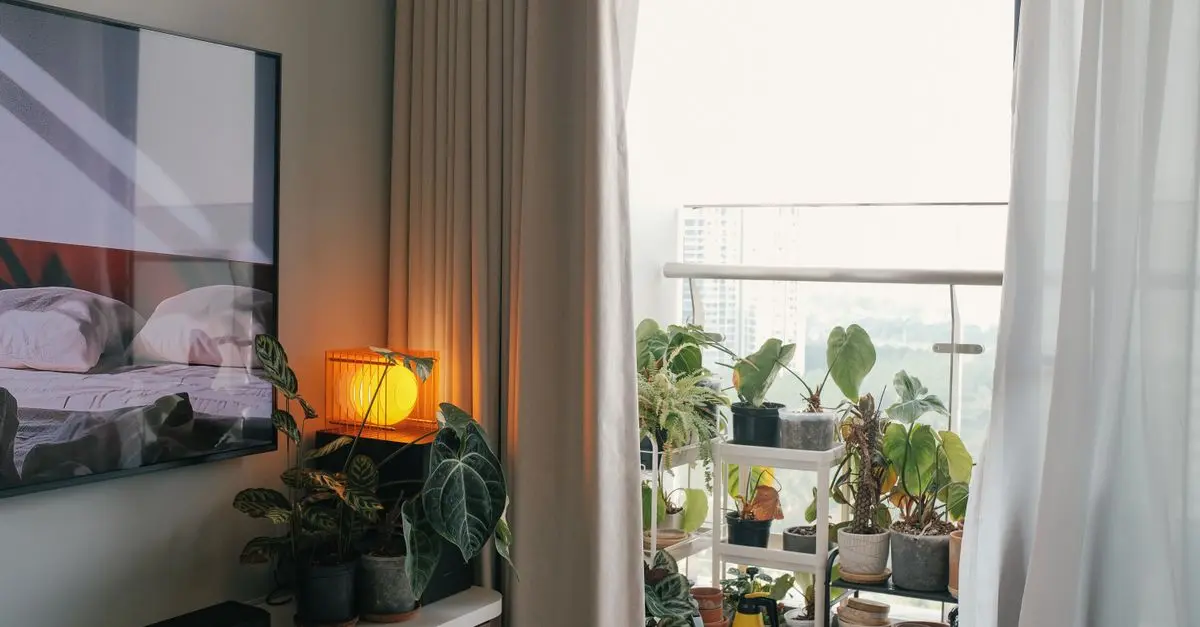
Whenever possible, make the most of natural light. During the day, allow sunlight to flow into your room through open curtains or strategically placed mirrors to reflect and amplify that light. This technique not only enhances the ambient lighting but also connects your living space to the outside world, positively influencing your mood.
Step 6: Assess and Adjust
Finally, once you’ve set up your ambient lighting, step back and evaluate. Notice how the light interacts with the rest of your decor and the overall feel of the room. Don’t hesitate to make adjustments. Sometimes small changes, like shifting a lamp or switching out a bulb, can make a significant difference in how the lighting enhances your environment.


Comparing Ambient Lighting Options
| Light Source | Pros | Cons | Best For |
|---|---|---|---|
| Ceiling Fixtures | Evenly distributed light | May be fixed in position | General illumination |
| Floor Lamps | Flexible placement | Can take up floor space | Reading areas |
| Table Lamps | Adds warmth and personality | Limited coverage | Bedside tables |
| Wall Sconces | Space-saving, decorative | Requires installation | Hallways, corridors |
The Science Behind Ambient Lighting
Lighting does not merely serve a functional purpose; it has a profound impact on our emotions. Research from the University of Oxford shows that warm-toned light can trigger the release of serotonin, enhancing feelings of happiness and well-being. Conversely, harsh white or blue-toned lights can lead to increased stress levels and a sense of alertness which may disrupt relaxation. Thus, understanding the emotional effects of different lighting can guide you in creating spaces that cater to your desired mood.
Frequently Asked Questions
What are the best light bulbs for ambient lighting?
Soft white LED bulbs are an excellent choice as they emit a warm glow, ideal for creating a relaxed atmosphere.
How does ambient lighting differ from task lighting?
Ambient lighting provides overall illumination, while task lighting focuses on specific activities, such as reading or cooking.
Can dimmers really save energy?
Yes, by using dimmers, you can significantly reduce the light output, thereby saving energy and costs on your electricity bill.
How can I make my space feel bigger with lighting?
Use a combination of bright overhead lights and reflective surfaces, like mirrors, to create the illusion of a larger space.
Checklist
- [ ] Assess the size and purpose of your space
- [ ] Choose a variety of light sources
- [ ] Install dimmers for added flexibility
- [ ] Experiment with light placements
- [ ] Utilise natural light where possible
- [ ] Evaluate and adjust your setup accordingly

Books/DVDs Rendering in Pen and Ink: The Classic Book on Pen and Ink Techniques for Artists, Illustrators, Architects and Designers : Book by Arthur
craftyarts.co.uk

TCL C6K -UK 98 inch Premium QD-Mini LED 144Hz 4K HDR High Brightness Dolby Atmos Smart Google TV
Back to the Office

L'Oréal Professionnel Blond Studio 8 Levels Multi Techniques Sachet 50g
sallybeauty.co.uk
Glossary
| Term | Definition |
|---|---|
| Ambient Lighting | General illumination that envelops a space evenly. |
| Task Lighting | Focused light designed to aid specific activities. |
| Dimmers | Devices that adjust the brightness of light fixtures. |
> 💡 Avis d'expert : Avec une bonne compréhension des techniques d'éclairage ambiant, vous pouvez créer des environnements qui non seulement éclairent mais rehaussent également votre humeur.
📺 Ressource Vidéo
> Pour aller plus loin : Découvrez des idées inspirantes sur l'éclairage ambiant, une analyse complète des meilleures techniques de lumière pour votre maison. Recherchez sur YouTube : "techniques d'éclairage ambiant 2026".
📺 Pour aller plus loin : ambient lighting techniques 2026 sur YouTube
Recommended products
Selected by our experts


Ducky One3 Daybreak SF keyboard Gaming USB UK English Blue, Yellow, Grey
Back to the Office