Contents (10 sections)
As energy efficiency becomes increasingly crucial in today's environmentally conscious world, energy efficient light bulbs are at the forefront of household innovations. Not only do these bulbs help reduce utility bills, but they also play a significant role in reducing carbon footprints.
Understanding Types of Energy Efficient Light Bulbs
LED vs CFL vs Halogen
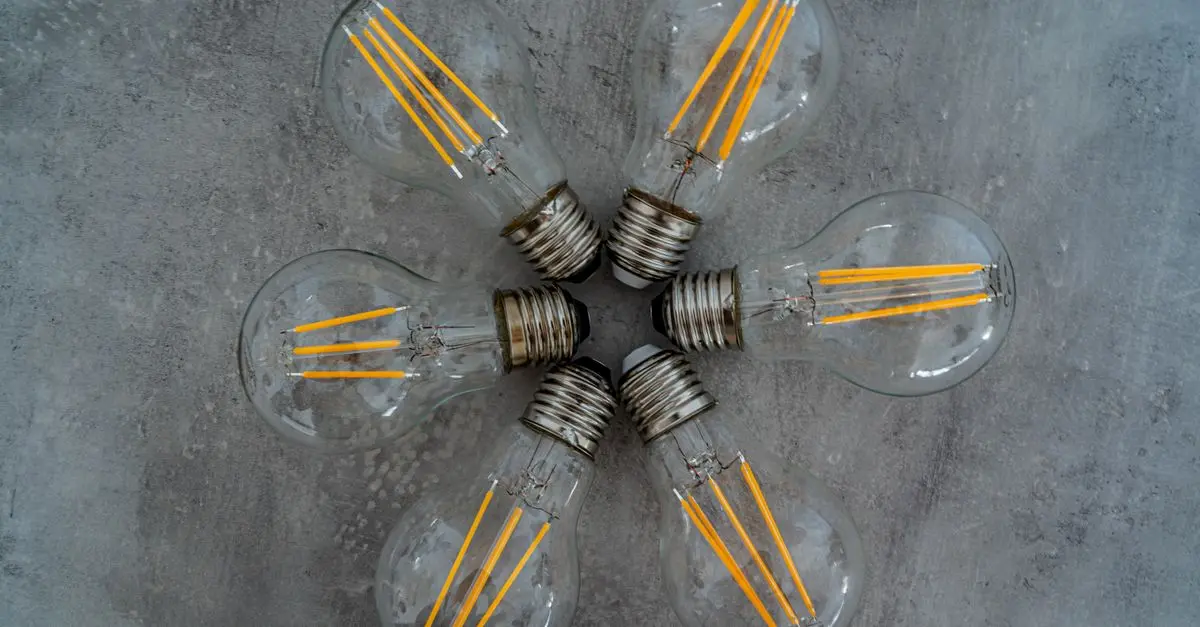
When it comes to energy-efficient lighting, the main types to consider are LEDs, CFLs, and halogens. LEDs (Light Emitting Diodes) are known for their longevity, often lasting up to 25,000 hours. CFLs (Compact Fluorescent Lamps) consume less power but take time to reach full brightness. Halogen bulbs, although more efficient than traditional incandescent bulbs, are not as energy-saving as LEDs and CFLs.
| Feature | LED Bulbs | CFL Bulbs | Halogen Bulbs |
|---|---|---|---|
| Lifespan | 15,000 – 25,000 hours | 8,000 – 10,000 hours | 2,500 – 3,000 hours |
| Energy Usage | Very low | Moderate | High |
| Initial Cost | Moderate to high | Low | Low |
| Verdict | Best choice overall | Good choice for specific settings | Less efficient, cheaper upfront |
The Benefits of Choosing Energy Efficient Bulbs
Choosing energy-efficient bulbs not only reduces costs but also contributes to environmental sustainability. According to UFC-Que Choisir, LED bulbs can reduce electricity consumption by up to 75% compared to incandescent bulbs, significantly lowering greenhouse gas emissions.
FAQs about Energy Efficient Light Bulbs
- What are the most energy-efficient light bulbs?
LED bulbs are the most efficient, lasting longer and using less power.
- Do energy-efficient bulbs save money?
Yes, they decrease electricity bills and reduce the frequency of replacement.
- Are there health concerns with LED lights?
LEDs are safe, but using warm bulbs can reduce blue light exposure, beneficial at night.
- Can I use energy efficient bulbs outdoors?
Yes, ensure they are labelled for outdoor use to withstand weather conditions.
📺 Resource Video
> 📺 For further insight: Watch "Energy Saving Lightbulbs: Which One to Choose", a detailed look at various bulb types and their applications. Search YouTube for: choosing energy saving lightbulbs 2026.
Glossaire
| Terme | Définition |
|---|---|
| LED | Light Emitting Diode, a type of bulb known for energy efficiency and long lifespan. |
| CFL | Compact Fluorescent Lamp, another energy-efficient bulb, known for a higher start-up time. |
| Lumen | A unit of luminous flux, indicating the amount of light emitted by a source. |
Checklist Before Purchase
- [ ] Decide on the bulb's purpose (indoor/outdoor, room type).
- [ ] Compare energy usage (Wattage vs Lumen).
- [ ] Select the desired light temperature.
- [ ] Check compatibility with existing fittings.
- [ ] Calculate potential savings versus cost.
Conclusion
Transitioning to energy-efficient light bulbs is a savvy choice for both the environment and your wallet. By understanding the various types and their benefits, you can make an informed decision that best suits your needs.
💡 Avis d'expert : "It's crucial to consider not just the upfront cost but the long-term savings on energy bills and the contribution to a sustainable planet," states Louise Turner, an expert at ADEME.