Contents (11 sections)
Introduction
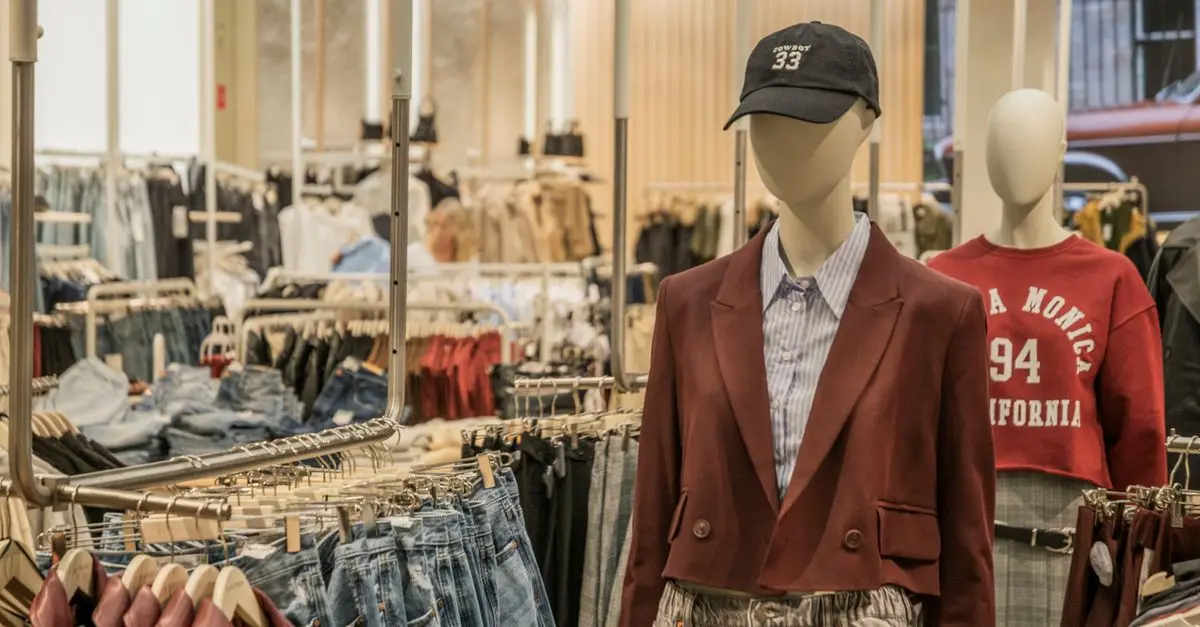
Lighting plays a pivotal role in retail environments, impacting customer perceptions and purchasing decisions. As retailers strive to stand out in an increasingly competitive market, implementing optimal lighting strategies is essential. This article delves into effective lighting approaches that can transform retail spaces, enhancing both aesthetics and functionality.
Understanding Lighting in Retail Spaces
Lighting in retail is more than just illumination; it’s about crafting experiences. Effective lighting can guide customers through a store, highlight products, and create a welcoming atmosphere. According to the British Retail Consortium, lighting influences a customer’s time spent in-store by up to 20%. The key lies in understanding how different lighting types and placements can work harmoniously to enhance the shopper’s journey.
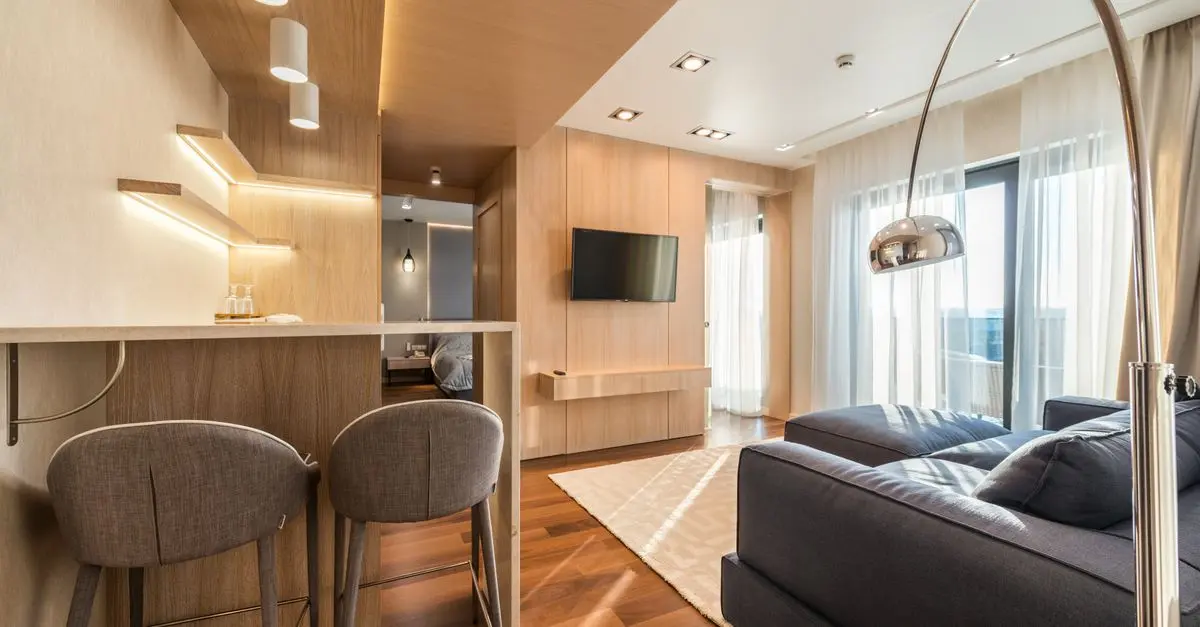
Using layered lighting, which combines ambient, task, and accent lighting, retailers can curate a dynamic shopping environment. Ambient lighting provides overall illumination, creating a comfortable space, while task lighting focuses on specific areas, such as checkout counters or fitting rooms. Accent lighting, on the other hand, highlights products or displays, drawing attention to key items.
Procedural Guide: How to Implement Effective Lighting
Implementing an effective lighting strategy begins with understanding the layout and purpose of your retail space. Here's a step-by-step guide to enhance your space:
- Assess Your Needs: Determine which areas require bright lights for tasks (e.g., counters) and softer lights for ambiance (e.g., lounge areas).
- Choose the Right Fixtures: Select lighting fixtures that align with your store’s aesthetic. For modern spaces, consider minimalistic LED options.
- Layer Your Lighting: Integrate ambient, task, and accent lighting to create depth.
- Ambient: Choose ceiling fixtures for overall brightness.
- Task: Employ focused lighting for work areas.
- Accent: Use spotlights to highlight products.
- Utilise Smart Lighting: Implement systems that can be controlled via an app to adjust settings as needed, enhancing energy efficiency.
- Regular Maintenance: Ensure lights are functional and positioned correctly to maintain the desired effect.
Comparing Lighting Options: LED vs Halogen
| Feature | LED | Halogen | Fluorescent |
|---|---|---|---|
| Energy Efficiency | High (uses less power) | Lower (more power consumption) | Moderate |
| Lifespan | Long (up to 50,000 hours) | Short (around 2,000 hours) | Moderate (15,000 hours) |
| Heat Emission | Low (remains cool) | High (gets hot) | Moderate |
| Cost | Higher initial cost, lower running cost | Lower initial cost, higher running cost | Moderate cost |
Analysing the Impact: Data and Trends
According to a study by The Lighting Research Center, 60% of retail sales can be attributed to the influence of lighting and store design. The trend is moving towards energy-efficient lighting solutions like LEDs that offer environmental benefits and cost savings. Euromonitor International reported that retailers implementing LED lighting noted a reduction in energy bills by an average of 30%.
💡 Avis d'expert : “Incorporating adaptable lighting solutions not only reduces operational costs but also enhances the brand’s image,” says Dr. Emily White, a retail design specialist.
📺 Resource Video
📺 For further insights: Optimising Retail Lighting for 2026, an in-depth look at innovative lighting solutions. Search on YouTube: "retail lighting strategy 2026"
What types of lighting are essential for a retail space?
Optimal lighting involves a mix of ambient, task, and accent lighting to create an inviting atmosphere and highlight products.
How does lighting impact retail sales?
Effective lighting enhances product visibility and atmosphere, influencing customer purchasing decisions positively.
Why are LEDs recommended for retail lighting?
LEDs offer greater energy efficiency, longer lifespan, and lower heat emission, making them ideal for retail settings.
How can I maintain an efficient lighting system?
Regular checks on fixtures, using smart lighting systems for flexibility, and replacing bulbs promptly can maintain system efficiency.
📷 Suggested Infographic
Glossary
| Term | Definition |
|---|---|
| Ambient Lighting | The general illumination of a room, providing overall visibility. |
| Accent Lighting | Used to highlight specific focal points or displays. |
| Task Lighting | Illumination focused on specific tasks or activities. |
🧠 Quick Quiz: What lighting type is responsible for highlighting key products?
- A) Ambient
- B) Task
- C) Accent
Answer: C — Accent lighting is used to draw attention to specific items.